PME’s Role in Kitsap County’s Future
When the Suquamish Tribe established Port Madison Enterprises (PME) in the mid-1980s, it was a bold and visionary move. At a time when few tribes had separated business from government, the Suquamish Tribe charted a course that emphasized sustainable economic development, cultural stewardship, and long-term thinking—principles that continue to define PME today.
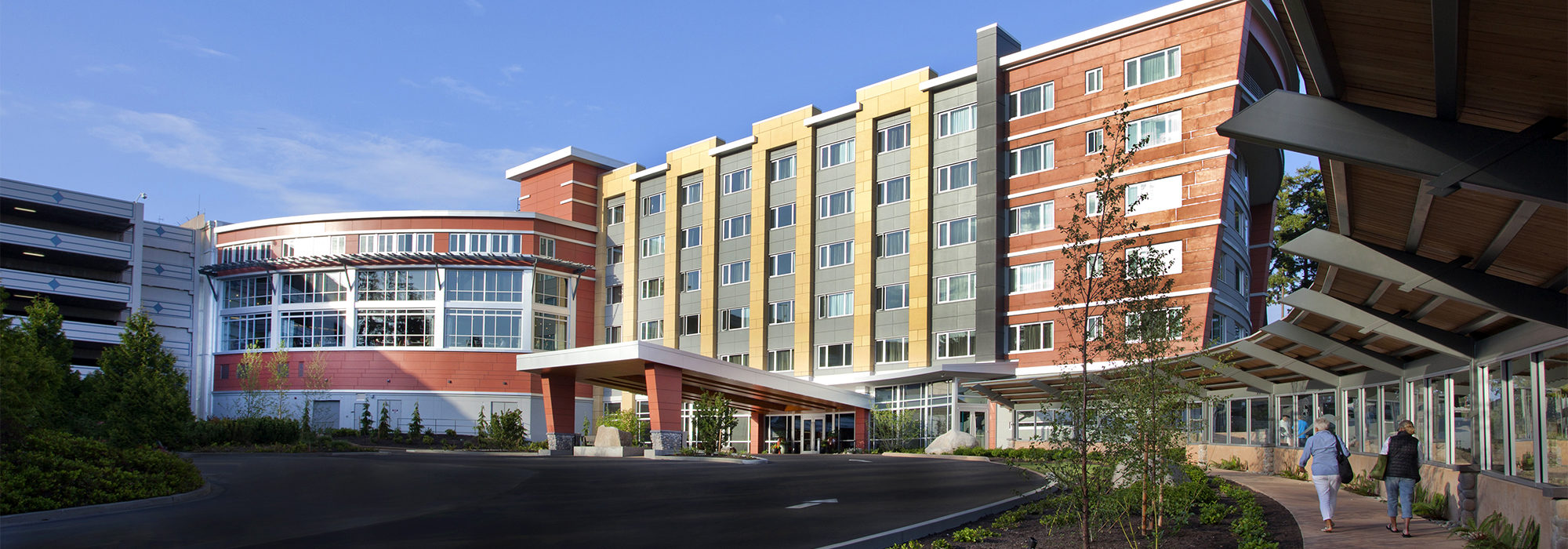
As the economic arm of the Suquamish Tribe, PME was founded to generate revenue and economic opportunity in the absence of a traditional tax base. What began as a single retail store has grown into a thriving enterprise that includes the Suquamish Clearwater Casino Resort, Kiana Lodge, White Horse Golf Club, a suite of retail outlets and gas stations, and a property management division.
PME also oversees several wholly owned subsidiaries—PME Construction Corporation, Port Madison Construction Corporation, and Suquamish Evergreen Corporation.
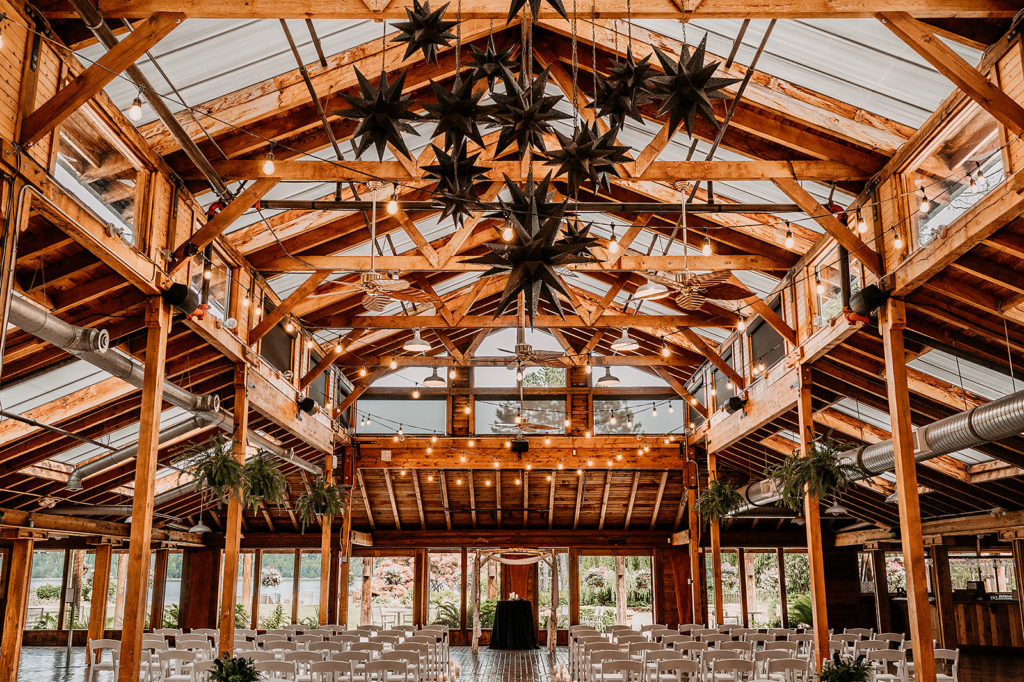
PME serves as the Tribe’s Department of Revenue, providing essential support for the Suquamish government’s services and long-term goals.
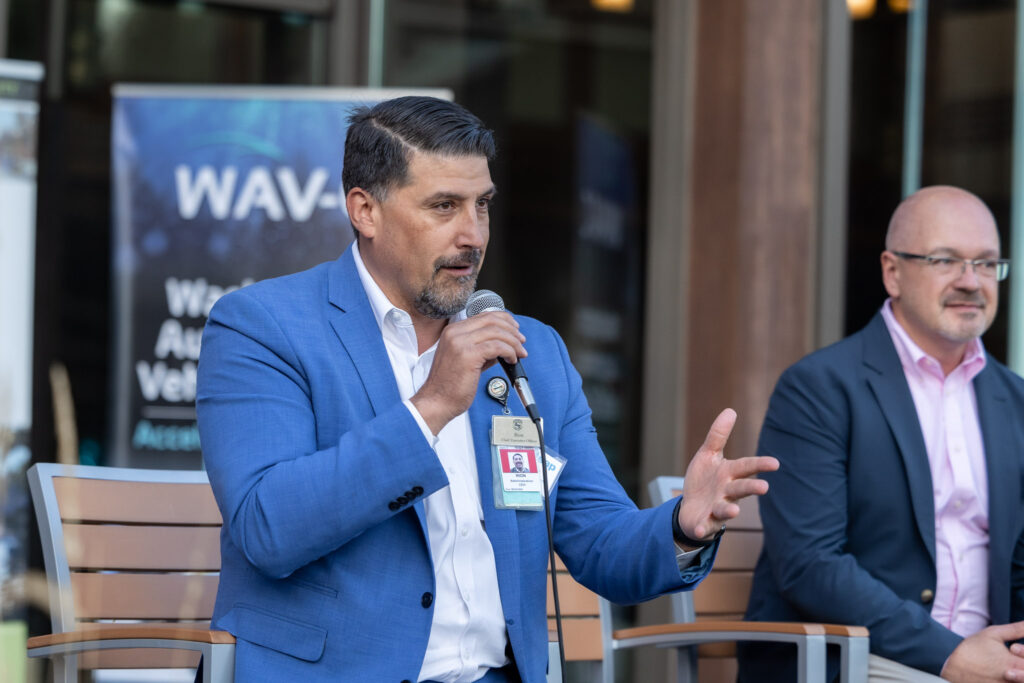
“We’re the Department of Revenue for the Suquamish Tribe,” said PME CEO Rion Ramirez. “We provide the revenue for the Tribe to do the work of a government—to provide essential governmental services.”
That responsibility has guided PME’s steady growth over nearly four decades. The Tribe’s early success in Indian gaming, enabled by the Indian Gaming Regulatory Act, laid the groundwork for diversification.
“The tribe getting into gaming has been a real success for us in terms of being able to take some of those resources and begin to diversify out and not be so predicated upon the boom and bust of gaming,” Ramirez said.
Today, PME employs nearly 1,000 individuals, making it the second-largest private employer in the greater Kitsap area. This economic footprint, paired with the Suquamish Tribe’s cultural values, reflects a powerful commitment to long-term community investment.
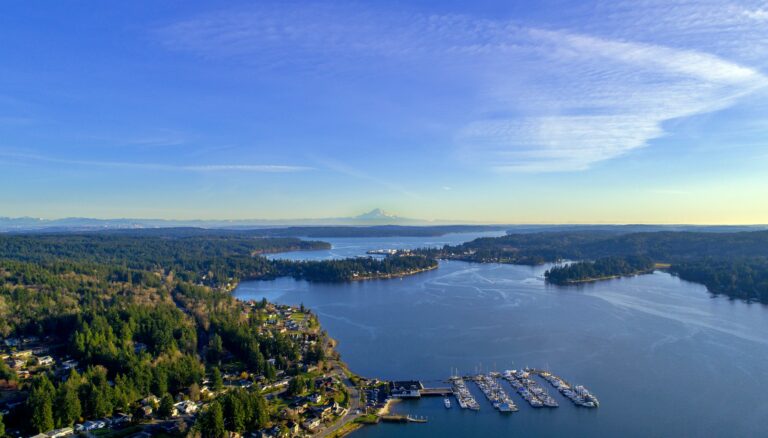
Over the past seven to eight years, the Tribe has worked to reacquire lands in these areas, reestablishing its physical and cultural presence while creating opportunities for economic development. Poulsbo, Bremerton, Silverdale, Port Orchard, Bainbridge Island and parts of Seattle are all part of the Tribe’s ancestral homelands.
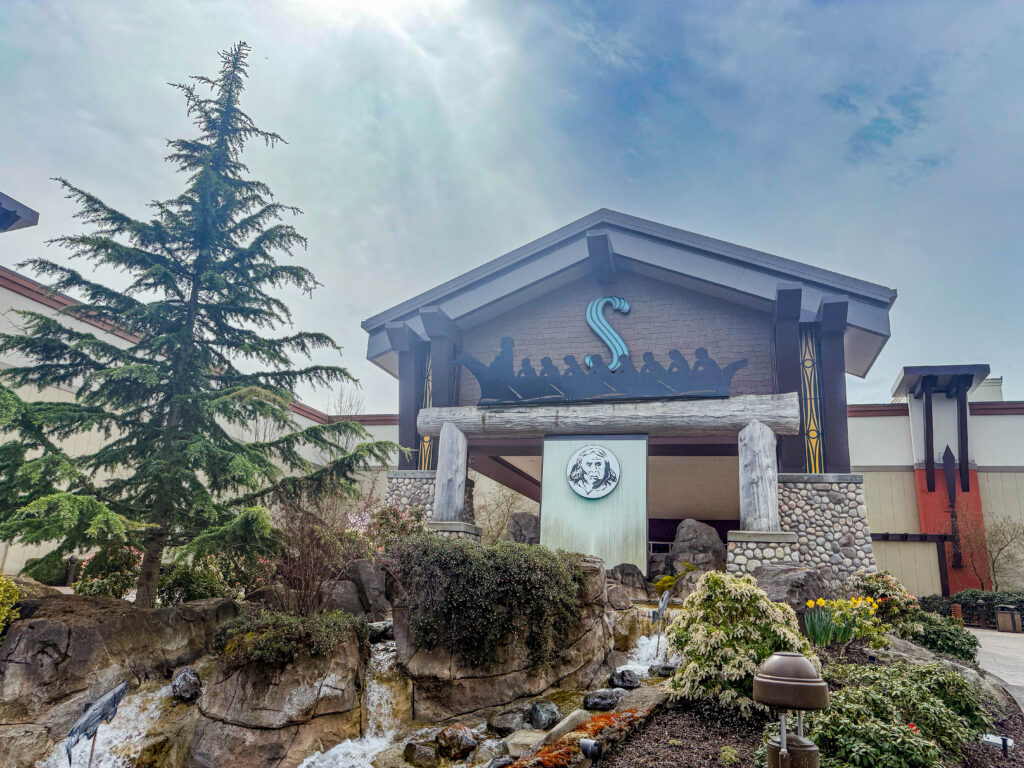
New businesses, like Clearwater Markets and Agate Dreams retail cannabis stores, now stand on lands once lost but now reclaimed and repurposed to serve both tribal members and surrounding communities.
“This has been our homelands for time immemorial, and we’re committed to continuing to be a strong steward, a strong friend, and committed to continuing to do things the right way and growing those relationships in a positive way,” he said.
PME’s commitment to stewardship goes beyond land. It’s deeply rooted in the Tribe’s cultural values, including generosity and leadership through service.
“The Suquamish Tribe is known to be great hosts,” Ramirez said.
Leadership in the Suquamish Tribe—and across Pacific Northwest Tribes—has long been rooted in the cultural tradition of giving and sharing wealth, as seen in practices like the potlatch. This spirit of generosity remains central today, reflected in the Tribe’s ongoing commitment to supporting employees and meeting community needs.
That philosophy extends to PME’s workforce, where many employees—tribal and non-tribal alike—have found not just jobs but careers.
“We try to do things the right way,” he said. “We try to treat people well. We try to make it a fun environment for folks—not only to work and grow in—but we want them to know that we love and care about them all.”
“The amount of long-term employees, whether it’s 40 years, 30 years, 25 years, 15 years, we have a lot of folks that have worked here for a very long time and choose to work here because of the love and attention and commitment that we from the top down, I think, show to our employees,” he said. “And their commitment as being the front line folks working in the area is really what, I think, is the differentiator in terms of ourselves and how we grow.”
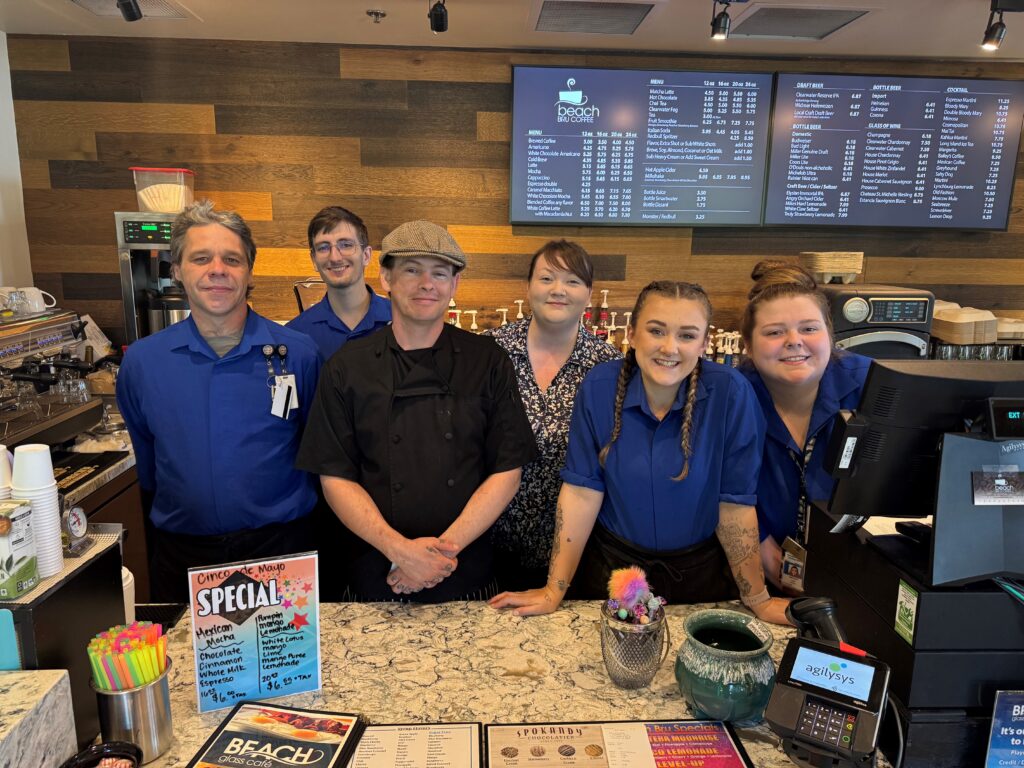
Creating a positive work environment has become a key focus for Ramirez, who wants PME to be known as the employer of choice in the region. Whether at the casino, hotel, golf course, or retail divisions, PME strives to offer strong career opportunities, a supportive culture, and benefits that meet the real needs of its workforce. One example is the recent addition of a mental health support program, which connects employees with therapists within 24 to 48 hours—a response to the growing mental health challenges exacerbated by the pandemic.
“We recognized the difficulty many folks were facing in accessing timely mental health care,” Ramirez said. “This was something that was really important to leadership at PME—to make sure we were showing up for our people.”
That long-term commitment—to people, to place, and to community—is what sets PME and the Suquamish Tribe apart. While corporations may shift operations across state or national borders, the Tribe’s businesses are here to stay.
“The tribe has been here from time immemorial,” he said. “It’s going to be here, forever into the future. So we have the opportunity to think much more long term versus short term. I think their decision making and their willingness to focus on that long term commitment is something that has been a tremendously positive side of things.”
PME’s contributions to the region are significant. The organization generates livable wage jobs, recycles revenue back into the community, and supports both tribal members and non-Indians through services and employment. The ripple effect is felt across Kitsap County and beyond, with substantial payroll and tax contributions flowing back to the state.
“The work that we do in the tribe is rather unique in that our reservation is here,” Ramirez said. “Our homelands are here. We’re not going anywhere. We’re not taking any businesses and moving them to another country or another state.”
“Our overall ripple effect is tremendously positive in terms of the work that we do here within the state, both for Kitsap County, and for Washington state as a whole,” he said.
At its core, PME is about nation building—investing in the Tribe’s future while supporting the broader community.
“In terms of being able to put in place a forward-thinking vision of business and politics, and then membership supporting that vision and rallying around the work that we do to create a real, sustained economy for the tribe is something that I think we can all really be very, very proud of,” he said.
Port Madison Enterprises is more than a business enterprise. It is a living example of what visionary leadership, cultural stewardship, and community commitment can build—rooted in ancestral land, driven by a long-term vision, and guided by the values of the Suquamish people.
Keep in touch with our news & offers
Subscribe to Our Newsletter
Thank you for subscribing to the newsletter.
Oops. Something went wrong. Please try again later.