For Dr. Chantae Recasner, education is more than a career. It is a pathway to freedom, opportunity and the ability to shape one’s own future. A first-generation college graduate who began her career as a high school English teacher, Recasner has spent her professional life working to make higher education more accessible, empowering and responsive to the people it serves.
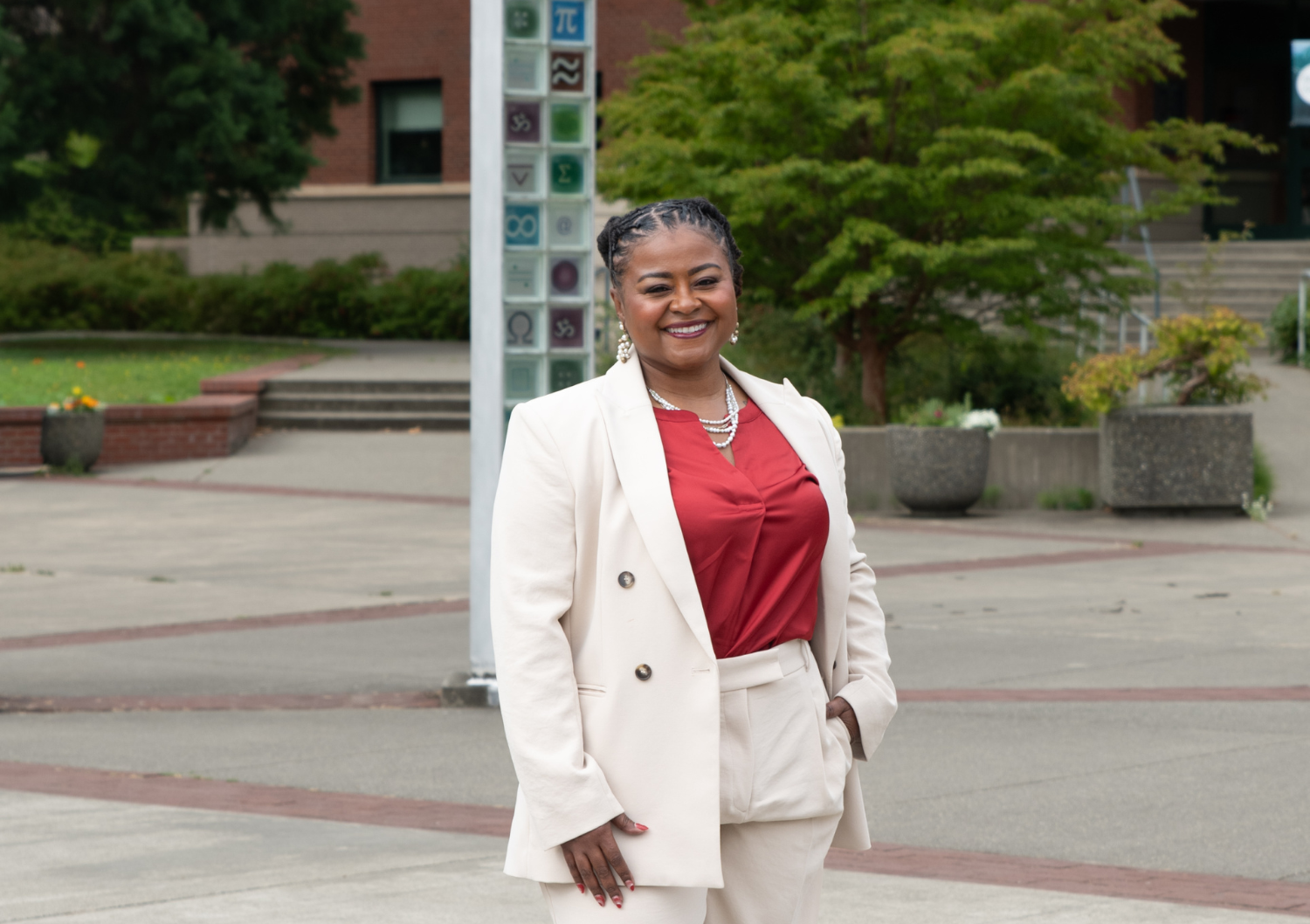
For Dr. Chantae Recasner, education is more than a career. It is a pathway to freedom, opportunity and the ability to shape one’s own future. A first-generation college graduate who began her career as a high school English teacher, Recasner has spent her professional life working to make higher education more accessible, empowering and responsive to the people it serves.
Now, as president of Olympic College, Recasner brings that commitment to Kitsap and Mason counties. She sees Olympic College as both an educational institution and an economic engine — one that prepares students for careers, supports local employers and helps strengthen the communities around it. As she begins her presidency, her focus is on building resilience, strengthening community partnerships and keeping students at the center of the college’s mission.
In this Executive Q&A, Recasner discusses her path to higher education, her vision for Olympic College, the changing needs of students and employers, the role of technology and AI, and what she hopes success will look like for the college five years from now.
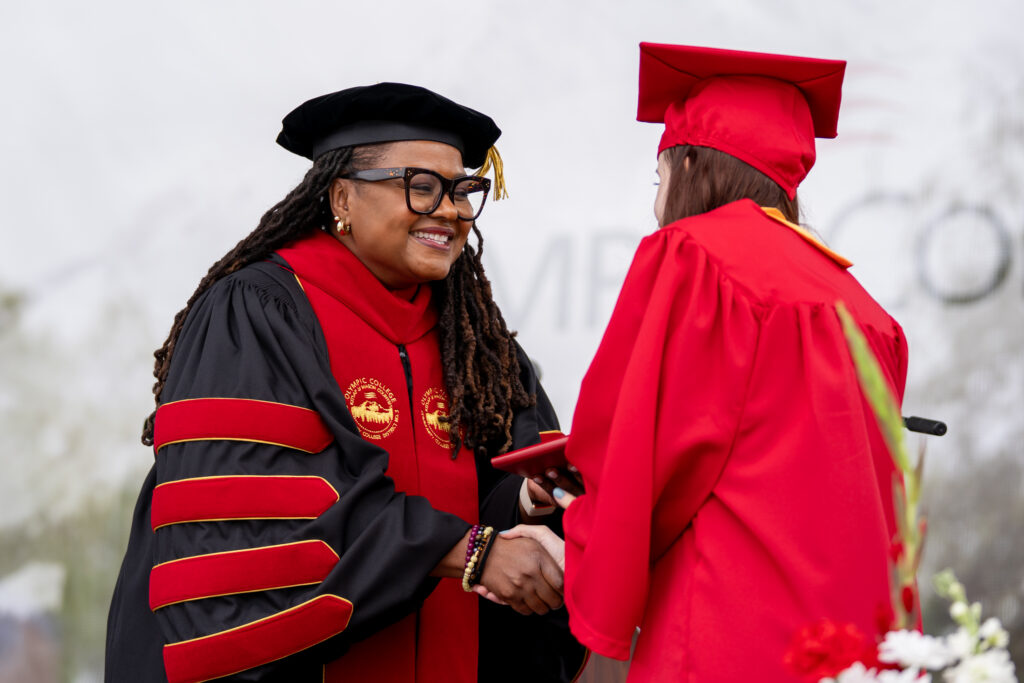
For our readers who may not know you yet, can you tell us a little about your background and the experiences that shaped your career in higher education?
I am a native of New Orleans, Louisiana, and my career in education actually began as a high school English teacher at Alcee Fortier High School. My journey into higher education began while I was a doctoral student at the University of Cincinnati.
Like many graduate students have experienced, college budget cuts led to a reduction in my graduate assistantship stipend. Because I needed additional income for basic needs, I started looking for additional work. A peer in my program told me she was an adjunct instructor at Cincinnati State Technical & Community College and encouraged me to apply, so I did.
When I interviewed with the Department Chair for English at the time, she told me they were searching for a full-time faculty member. She asked if I wanted to be considered, and I replied, “Absolutely, I love healthcare!” I put my name in the hat, and after weeks of the search process, I was hired as a tenure-track, full-time Instructor of English and Composition.
I loved teaching! Still do. I love learning! But as a first-generation college graduate, a K-12 educator in one of the most under-resourced educational systems in the nation, and a faculty member, I experienced and saw just how damaging our well-intended schooling practices can be for so many individuals.
My schooling experiences were defined heavily by the duality of determination and fear. I knew I had a penchant for high performance, but I had no idea how to anticipate the next thing. If you’re from a community like New Orleans, fundamental to your ability to survive is your ability to read people, read the room, read the world in a way that gives you an edge, a leg up. As a first-generation college student, I didn’t have that leg up, and it scared me to death.
School was never inherently safe for me, but learning empowered me to chart my next steps. It gave me confidence and more certainty about my future. I knew and saw so many people who wanted the same thing. So, I committed my life to education with a determination to make pathways to and through higher education easier, safer and more empowering for anyone who chooses it.
Education is freedom because it enables choice. It gives individuals greater power to direct and construct the course of their lives rather than just surviving it.
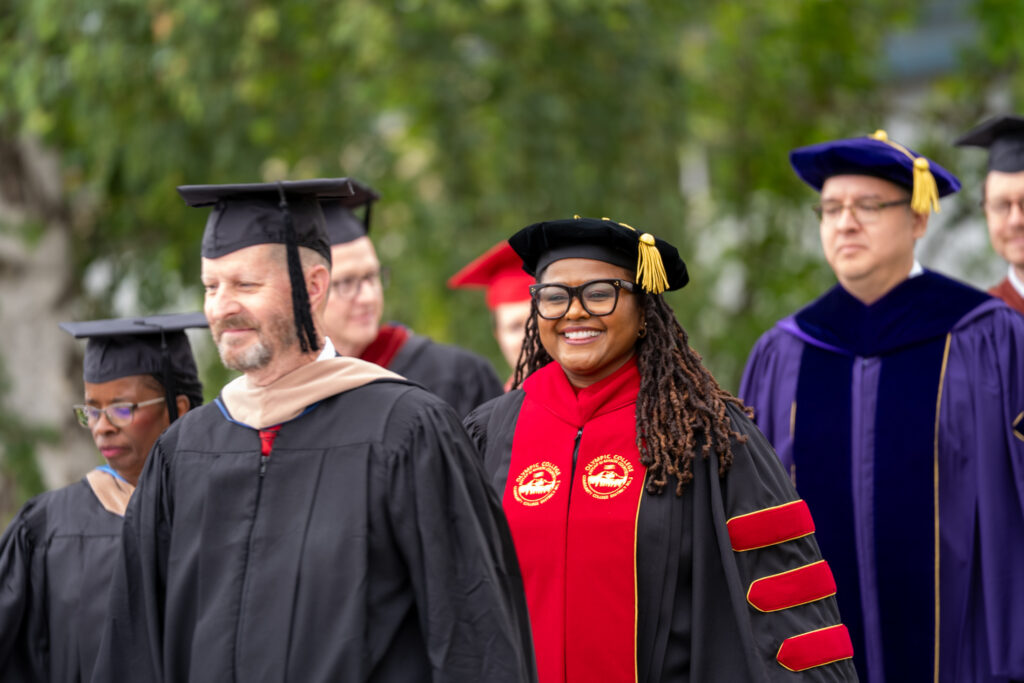
What drew you to Olympic College, and what made this the right opportunity at this point in your career?
What initially drew me to Olympic College was that it profiled similarly to the last college I led in terms of structure – a multicampus institution with a similar student headcount and program emphasis. But what impressed me most and ultimately convinced me that OC was where I wanted to be was the deep invested engagement the college receives from the Kitsap and Mason county communities.
Olympic College is a place where everyone belongs, and it is committed to ensuring equity and access are not just virtue signals. People from all backgrounds and experiences walk through the doors of OC and become empowered to change their lives. They then go on to work in this community, sometimes even coming back to OC to support others in their own transformative journeys.
It helps that we get to inspire people from infancy through the work of our Sophia Bremer Child Development Center, but at its core, OC is a college with heart. Care is central to how we serve, and I love that!
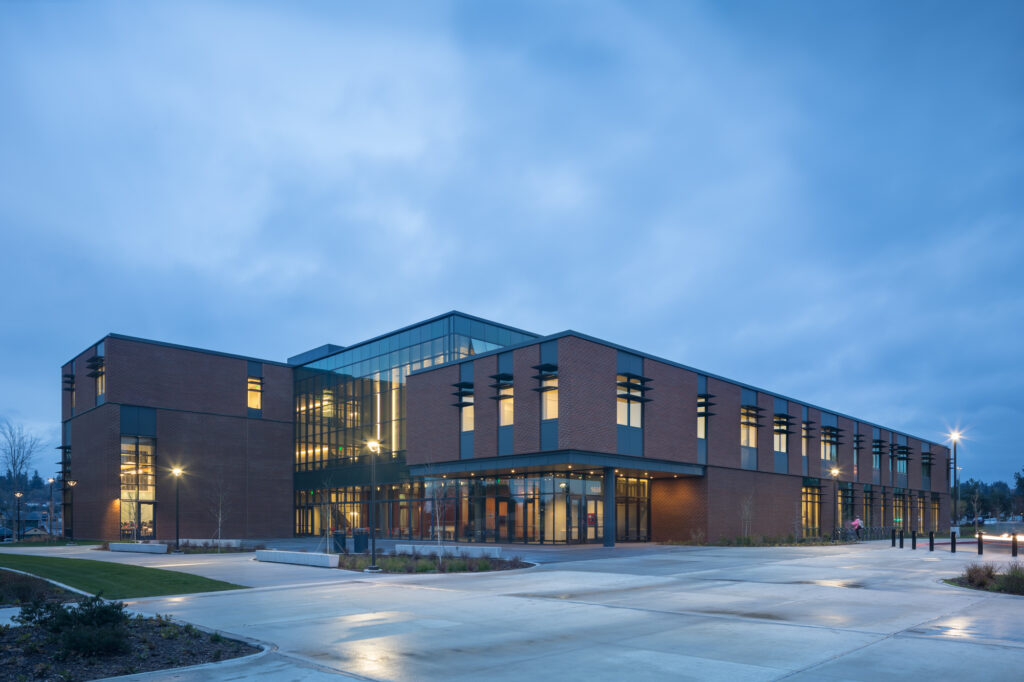
Olympic College has a long history of serving Kitsap County and the surrounding region. As you begin your presidency, what have you learned about the college’s strengths, and where do you see opportunities for growth?
There are so many strengths at Olympic College that I couldn’t possibly name them all, but I can tell you there are at least 1,000: our employees.
Our employees are among our greatest strengths because they are deeply invested in the success of their college. Many are Olympic College alumni. Others are parents, grandparents, cousins or family members of current students and graduates. They serve with conviction, heart and care, always keeping our students at the center of the work.
I tend to use analogies, and lately I’ve been comparing Olympic College to the solar system. Our students are the sun, and our employees are the planets surrounding them. As president, I get to be the gravitational pull, helping keep the system aligned and focused on our central purpose: student success.
So, as much as this profile and others may make me more visible, part of my mission is to keep the focus where it belongs: on our students. They are what make Olympic College shine.
Our greatest opportunities lie in continuing to fulfill that mission while responding to forces that are changing higher education and the communities we serve. Demographic shifts are creating new enrollment challenges. Technology is advancing rapidly. Workforce needs are evolving locally, regionally and nationally. And today’s learners need teaching and learning models that reflect the realities of their lives.
Our opportunity is to remain agile and innovative while staying grounded in who we are: a college committed to helping students achieve their educational goals and creating opportunity for the communities we serve.
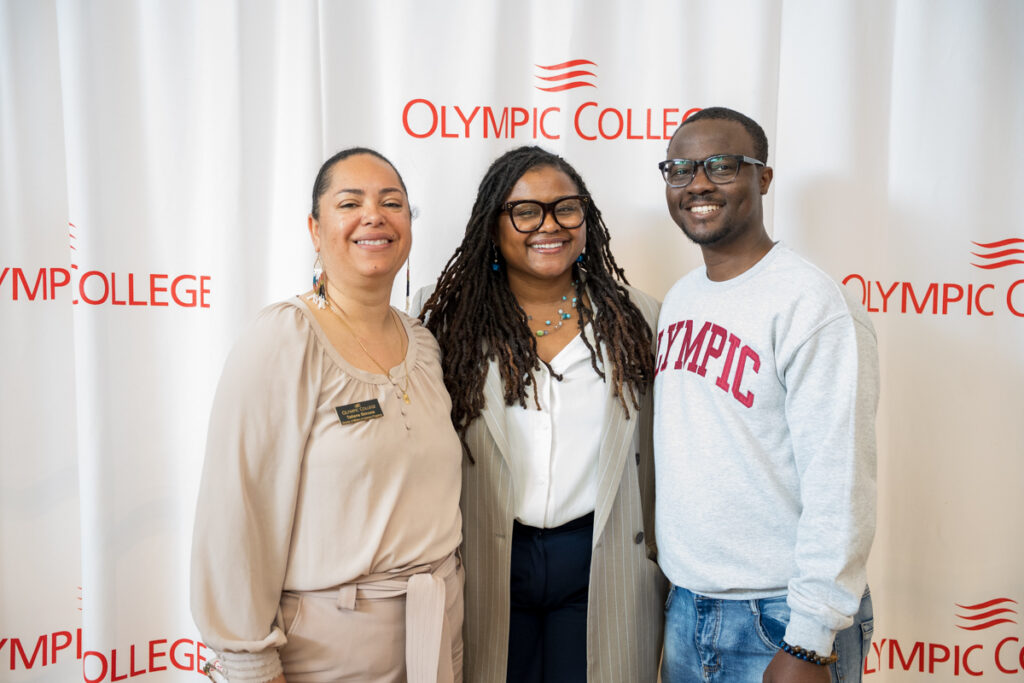
What are your top priorities during your first year as president, and what goals do you hope to accomplish during this transition period?
My top priority is to strengthen the college’s resilience in the face of the many challenges affecting higher education, including those I mentioned earlier. Building that resilience will strengthen our ability to meet the needs of the communities we serve in Kitsap and Mason counties.
Fortunately, we have strong guideposts for where to focus our energy. One example is our Health Sciences Expansion, which has been exceptional. I’m not sure the broader community realizes just how significant that progress has been. New academic programs often take years to develop and launch. At Olympic College, we have launched six health care programs in just the past two to three years.
We have completed Phase 1 of that expansion and are moving into Phase 2 with the launch of EMT this fall. We have a lot to celebrate, but we also have a lot to protect. Our region has made a significant investment in these programs, and we have a responsibility to ensure they remain strong, sustainable and able to meet the workforce needs they were created to address.
That is where resilience becomes more than a concept. It is about protecting what is working, strengthening what we have built and making thoughtful decisions about what comes next.
And I have a great team of strategists helping lead that work. We’re on it.
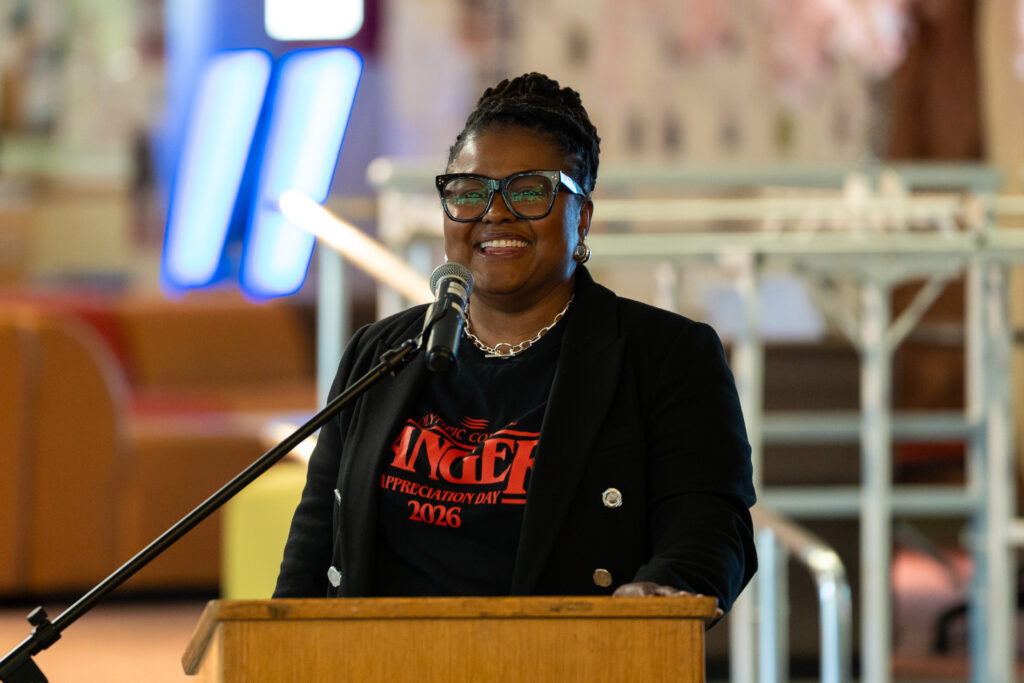
You are the first African American and third woman to serve as president of Olympic College. What does this historic milestone mean to you personally and professionally?
Mae Jemison was also a first. So, I’ll quote her: “There have been lots of other women who had the talent and ability before me. I think this can be seen as an affirmation that we’re moving ahead. And I hope it means that I’m just the first in a long line.” I appreciate that this is a point of honor in the story of OC. However, I remain more impressed that there are students at OC who are the first on many accounts. They are the real big deals!
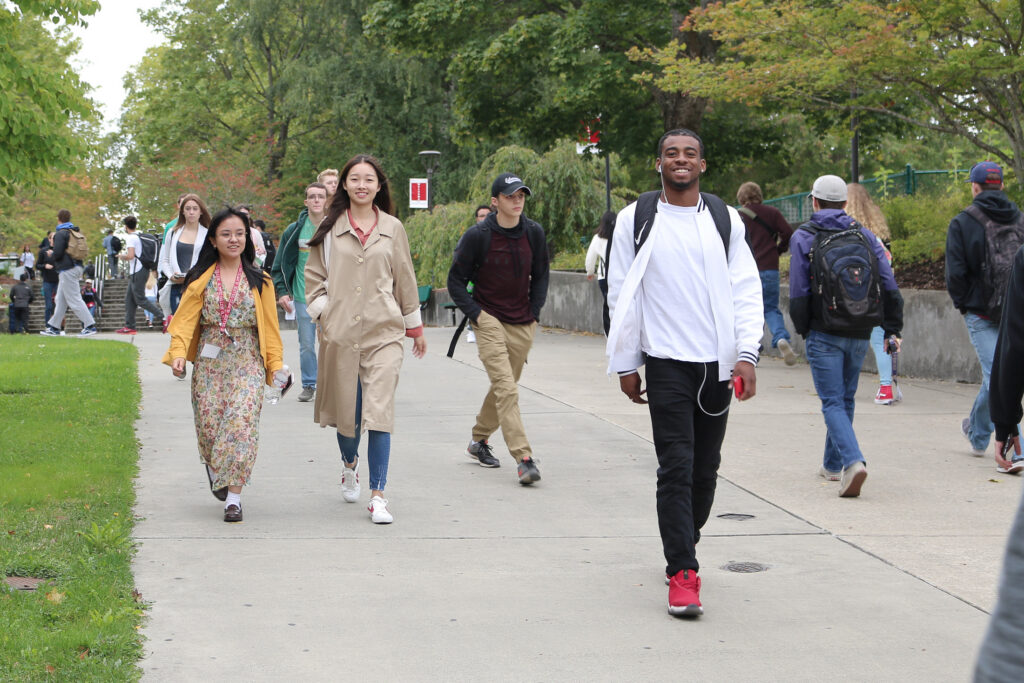
Community colleges play an important role in workforce development. How do you see Olympic College partnering with local businesses and industries to prepare students for the careers and skills needed in the future?
Community and corporate partnerships are essential to Olympic College’s future. Our role is to listen closely to employers, understand how workforce needs are changing and build pathways that prepare students for meaningful careers while strengthening our regional economy.
That work is especially important in a challenging fiscal environment. Strong, long-term partnerships with businesses, industries and community organizations can help us align programs with workforce demand, expand access to training and make the best use of our shared resources.
We have already seen what is possible through our Health Sciences Expansion partnership with Virginia Mason Franciscan Health, and we want to build on that momentum across Kitsap and Mason counties.
Continuing Education is another area of opportunity. We are seeing growth in non-credit courses that help people build skills, explore career fields and, in some cases, transition into for-credit programs. We are also expanding customized training with local employers, including partnerships with organizations such as Kitsap Transit around emerging workforce needs like electrical theory and electric vehicle maintenance.
OC not only provides training pathways to work, we also provide work in the community. We are an important employer and agent of economic development.
Kitsap County’s economy continues to evolve with growth in industries such as health care, advanced manufacturing, maritime, technology and construction. What role do you see Olympic College playing in supporting the region’s economic future?
Our friends at the Kitsap Economic Development Alliance like to say that Olympic College is an economic engine for our region, and I think that speaks to the responsibility we have as a public institution. The students in our classrooms and labs today will soon be the nurses, technicians, engineers, tradespeople, business leaders and innovators shaping this region’s future.
Our role is to stay closely connected to the needs of Kitsap and Mason counties and adapt as those needs evolve. That means keeping our programs relevant, ensuring strong learning outcomes and helping students complete their credentials and move successfully into the workforce or further education.
We are already investing in areas critical to the region’s future, including health care, advanced manufacturing, maritime, technology and the trades. Just as important, we must prepare students to adapt as industries and technologies change.
If we do that well, Olympic College will continue to connect students to family-wage careers, employers to the talent they need, and our communities to a stronger, more resilient regional economy.
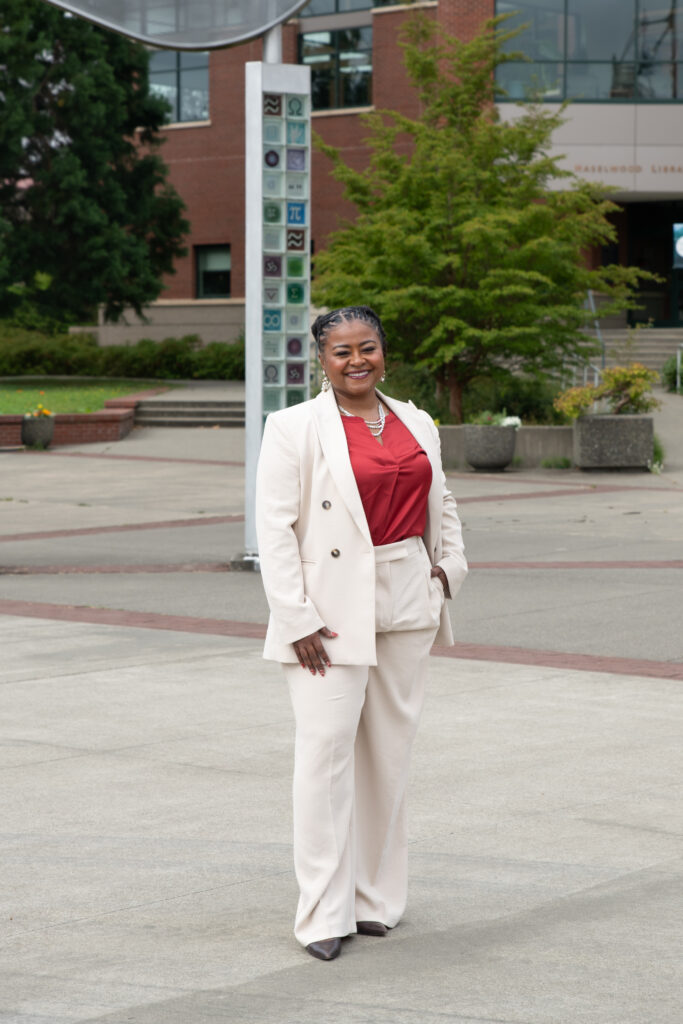
Students today face many challenges beyond the classroom, including affordability, balancing work and school, and access to support services. How is Olympic College working to help students succeed?
We know that student success depends on more than what happens in the classroom. Many of our students are balancing work, family responsibilities and the rising cost of basic needs, including food, housing, childcare and transportation.
Olympic College has made wraparound support a priority, and that work was recognized with a commendation during our recent accreditation review. Through our Resource Center, students can access food, school supplies, emergency grants, referrals and other support. Demand continues to grow, with an estimated 15,000 student visits/services provided in 2026, up from 13,000 in 2025. Our food pantry is also reaching more students each year, with 1,300 students served during the 2025 – 26 academic year.
Transportation is another important barrier. Beginning in the 2026-27 academic year, we are piloting a partnership with Kitsap Transit to provide free bus passes to every Olympic College student.
Our goal is simple: remove as many barriers as we can so students can stay enrolled, complete their education and achieve the goals that brought them to Olympic College in the first place.
Your background includes teaching and learning, operational excellence and building stronger, more equitable communities. How do those priorities influence your vision and leadership approach at Olympic College?
These aspects of my background intersect, or, shall I say, align, quite simply around intention. Success in leadership isn’t a matter of luck or chance. Intention and planning allow us to accomplish much that otherwise might not be attained.
Instructional success, operational excellence and community building all require design. They require intention. I don’t count on luck. I’ve never been much of a gambler. I prefer strategy, because even when you fail, strategy leaves a trail that allows you to understand what happened, learn from it and still grow. Haphazard dependence on luck or fortune is too risky and can leave you empty-handed.
So, I don’t take risks when it comes to people’s dreams. Our students are worthy of both our attention and our intention. My background helps me make sure they get both.
Higher education is changing rapidly with advances in technology, including artificial intelligence, and evolving expectations from employers. How is Olympic College adapting to prepare students for this changing environment?
Rapid advances in technology, particularly artificial intelligence, present both significant opportunities and important challenges for higher education. Our responsibility is to help students understand how to use these tools effectively while continuing to develop the critical thinking, creativity and judgment that employers value.
Before my arrival, Olympic College formed an AI Task Force with faculty from a variety of disciplines and instructional settings. The group conducted research, surveyed the college community and developed guidance for the responsible use of AI in the classroom, including clear expectations for both students and faculty.
We are also exploring how AI can improve college operations and create efficiencies while protecting the security and integrity of our data and systems.
Technology will continue to evolve, and so will the workplace. Our job is to make sure students are prepared not simply to use new tools, but to think critically about them, adapt to change and bring the human skills that technology cannot replace.
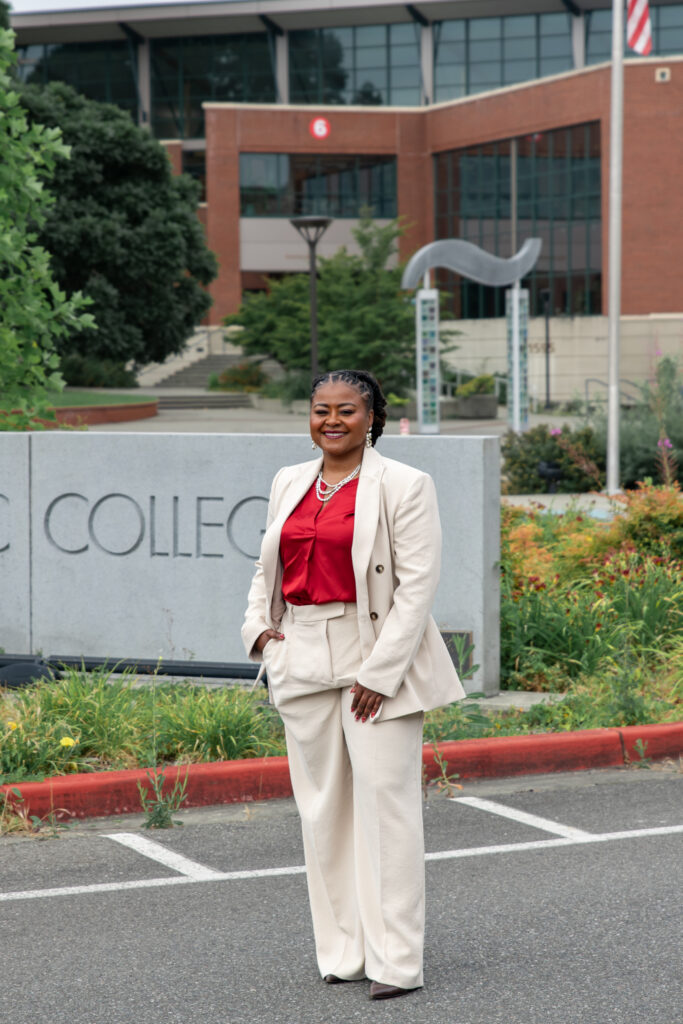
Strong community partnerships are essential to a thriving college. How do you hope to strengthen relationships with local employers, civic leaders and community organizations throughout Kitsap County?
Strong partnerships begin with listening. As a new president, one of my priorities is to spend time with employers, civic leaders, tribal partners and community organizations across Kitsap County to better understand both the opportunities and the challenges facing our region.
Olympic College has an important role to play as a convener. We can bring people together around shared priorities, connect community needs with educational opportunities and create partnerships that extend beyond any single program or initiative.
I also want those relationships to be sustained, not transactional. Whether we are working together on student support, economic development, cultural and civic engagement, or new educational pathways, the strongest partnerships are built over time through trust, communication and shared purpose.
Olympic College is deeply rooted in this community, and I want us to continue showing up as a partner that listens, contributes and helps bring people together to strengthen the region we all serve.
Looking ahead five years, what would success look like for Olympic College under your leadership?
Well, for starters, I’m still here! 🙂 But seriously, success looks like more seats filled at our commencement ceremonies because more students are completing their goals. It looks like students reaching back out to tell us that their experience at Olympic College changed their lives. It looks like our employees proudly saying OC is one of the best places to work.
It also looks like thriving partnerships with our community, workforce and university partners; a stable budget and strong financial footing; and a college that continues to respond to the needs of our region with confidence and purpose.
And, of course, it looks like a wonderful 85th anniversary celebration – one that honors how far Olympic College has come and gives us even more reason to be excited about where we’re going.
What keeps you motivated in the work you do?
I don’t need motivation. I am fulfilling my purpose, and for me, that is divine. Even on my hardest days, that sense of purpose gives me a joy that surpasses all understanding.
Keep in touch with our news & offers
Subscribe to Our Newsletter
Thank you for subscribing to the newsletter.
Oops. Something went wrong. Please try again later.