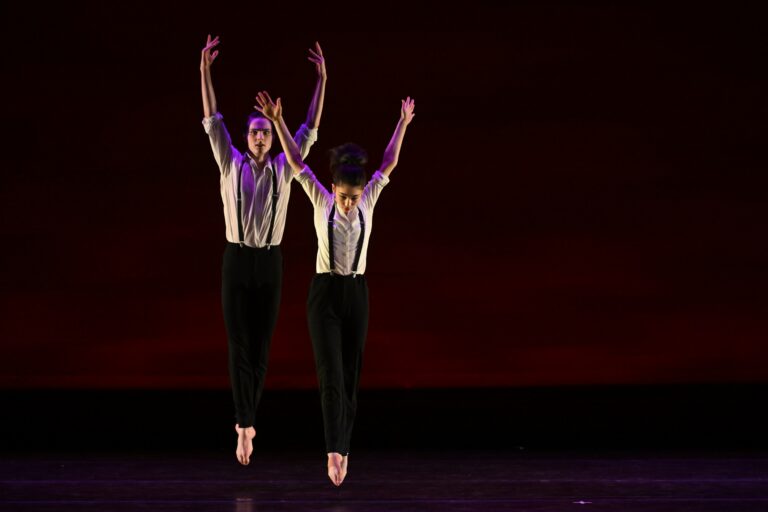
Running a dance school is one job. Running a nonprofit performing company is another.
Mallory Morrison does both.
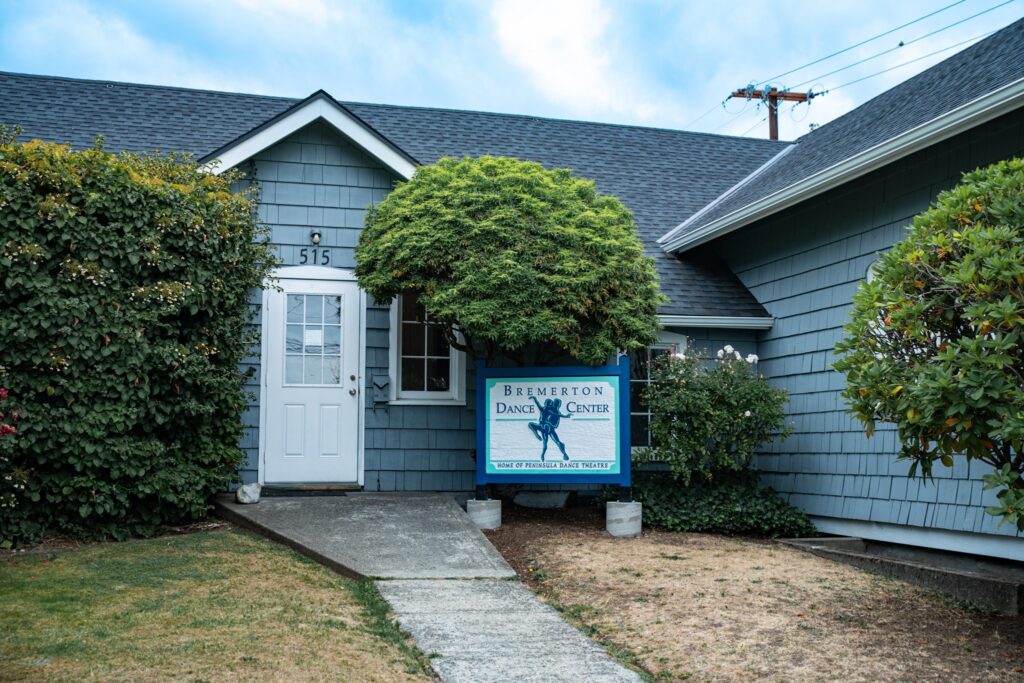
Morrison owns Bremerton Dance Center, the dance school her grandmother, Lawan Morrison, started in 1964. She is also artistic director of Peninsula Dance Theatre, the nonprofit performing company that grew alongside the school and has shared its home, staff and community for decades.
She is also treasurer of the Ballet Alliance, the national organization to which both belong.
“So I’m involved in all three organizations,” Morrison said.
The arrangement can be complicated.
But Morrison has spent more than a decade learning how to manage both sides of the organization — and increasingly, deciding what she wants them to become.
“When I first started helping out in the office, it was still ledgers,” she said. “I still did payroll by hand, so I understood how to do all of that by hand, but now QuickBooks does it all for me. I can now run payroll in 20 minutes instead of two hours.”
The changes go far beyond accounting. Morrison has built the school’s first website, expanded its marketing, developed new ways for students to take on leadership roles and begun rebuilding Peninsula Dance Theatre’s connections with the Bremerton community.
At the same time, she is carrying forward traditions that began with her grandmother more than 60 years ago.
Building on a family legacy
Lawan Morrison started teaching about 30 students in the basement of her home on Marine Drive in 1964.
As enrollment grew, she needed more space. In 1969, she purchased the property where Bremerton Dance Center operates today for roughly $30,000.
“It blows my mind,” Morrison said. “But I’m sure that was very expensive then. I’m sure it was quite the scary investment.”
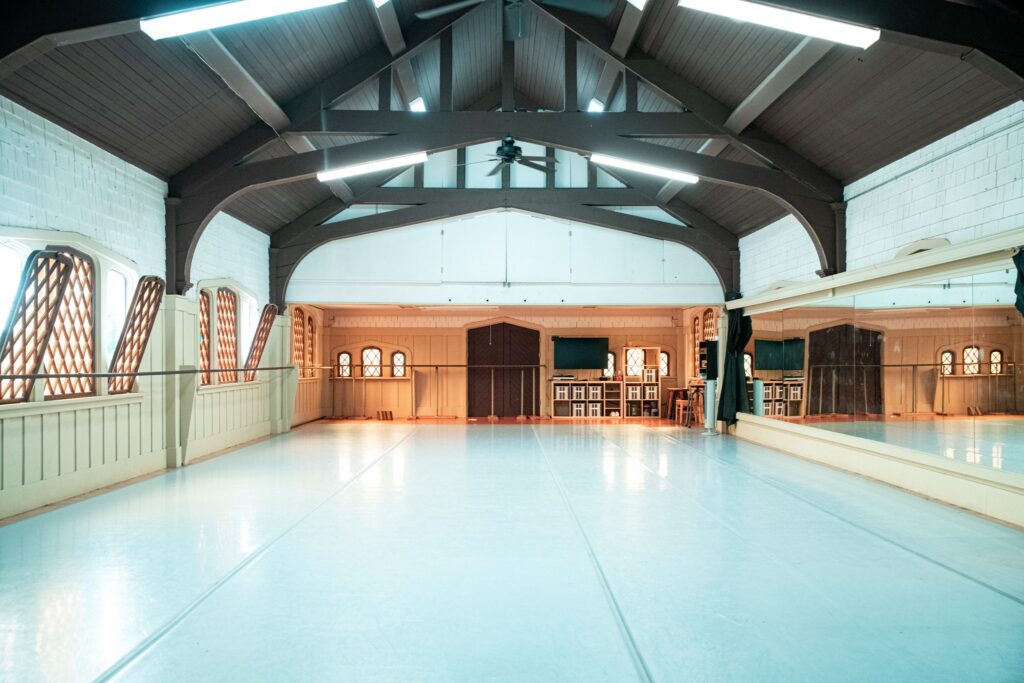
The building itself has an even longer history. Constructed as a church in 1904 about two blocks away, it was moved to its current location with horse and logs. The basement, Studio Two and the pastor’s house were added by about 1917.
Lawan initially taught in a single room and rented out the rest of the building. As the school grew, she gradually took over more of the space.
She also worked as a travel agent and taught at the college while running the dance school.
“She had more days in the week than we do, apparently,” Morrison said. “And more hours.”
Lawan eventually built not only the school but also a performing company. Peninsula Dance Theatre was established as a nonprofit in 1973 after Lawan joined Regional Dance America, now the Ballet Alliance. The organization provided students with performance opportunities while allowing the school to participate in a larger network of dance companies.
Modernizing the school
Morrison began taking over more of the school’s operations in 2013. One of her first priorities was bringing the business side into the modern era.
The school’s long-standing word-of-mouth reputation remained valuable, but Morrison recognized that families were also looking for information online.
“It was very much a generation of word of mouth, which is very powerful,” Morrison said. “But we have to get out there too.”
She built the school’s first website and expanded its marketing.
She also began organizing the school’s archives and learning more about the students who came before her.
“We have a lot of returning alumni that come to our shows. I want to make sure I know them and I know their history with the organization,” she said.
That history is increasingly important as Morrison shapes the organization in her own way.
Her grandmother is now in memory care and no longer involved in the business. After years of primarily following the system she inherited, Morrison is thinking more intentionally about the future.
“I’m kind of at the point now where it’s like, I need to figure out what I want out of the organization and what I want my legacy to look like,” she said.
For the school, that means continuing to emphasize serious classical dance training rather than trying to compete by offering everything.
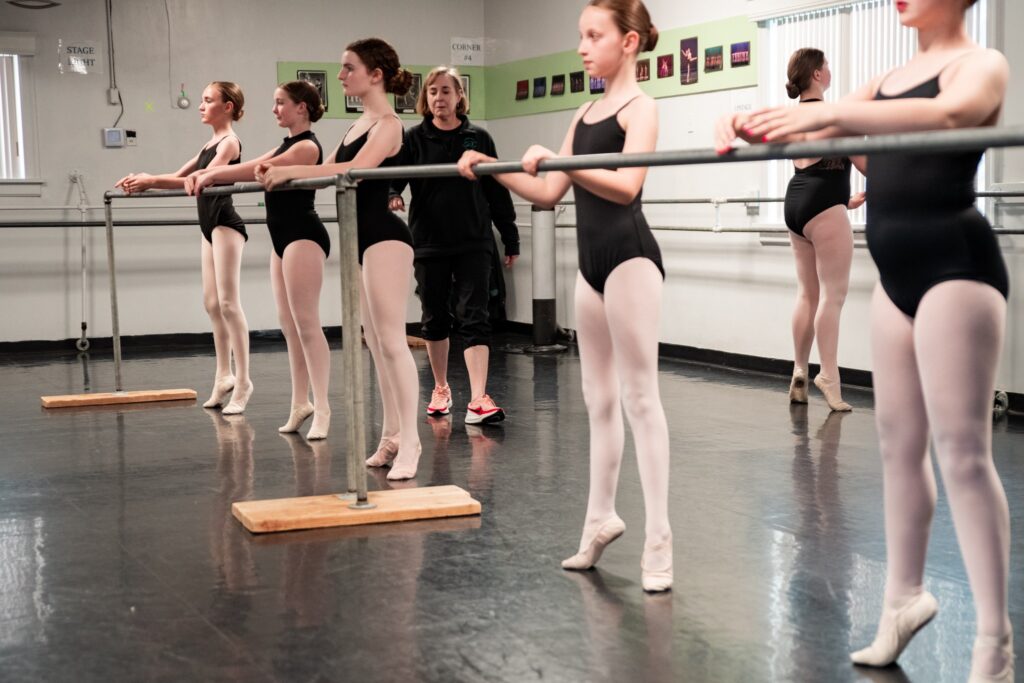
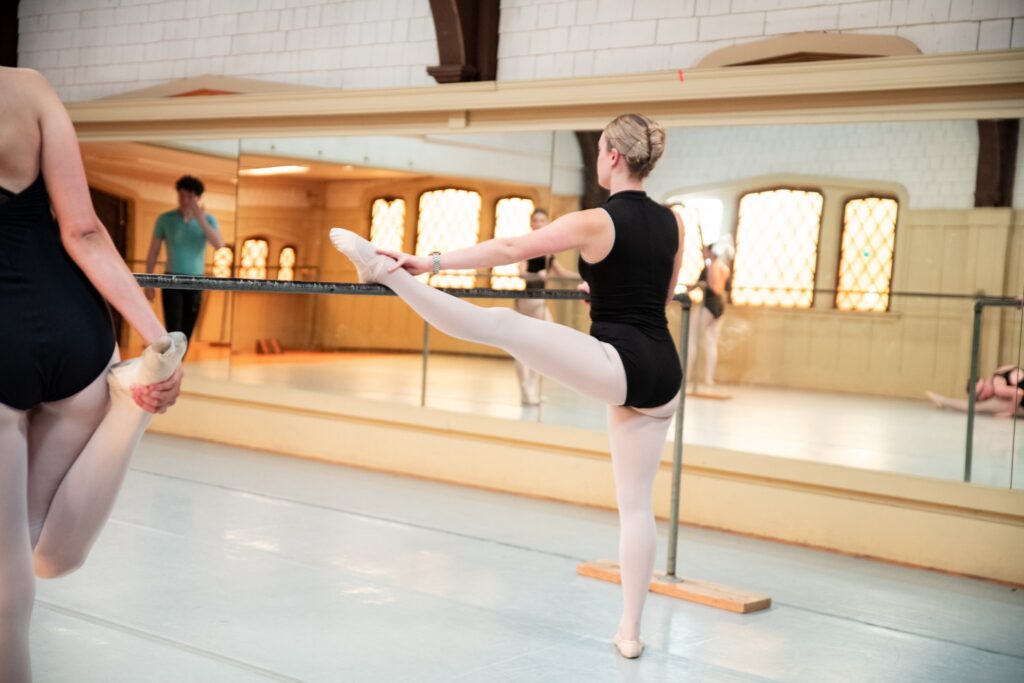
Bremerton Dance Center focuses on ballet, with tap, jazz and modern also available.
“We’re not about tricks. We’re not about how many turns can somebody do. We’re not about flips,” Morrison said.
Asked what sets the school apart, she answered simply: “Our training — 100%.”
That training is a significant commitment for families. A child who starts at age 3 and stays through age 18 can represent a substantial investment in tuition, with the weekly commitment growing from 45 minutes to as many as six days.
“You’re not just showing up to take some classes,” Morrison said. “It’s an investment in your child’s future.”
Morrison is also looking at how the school prepares students beyond the studio.
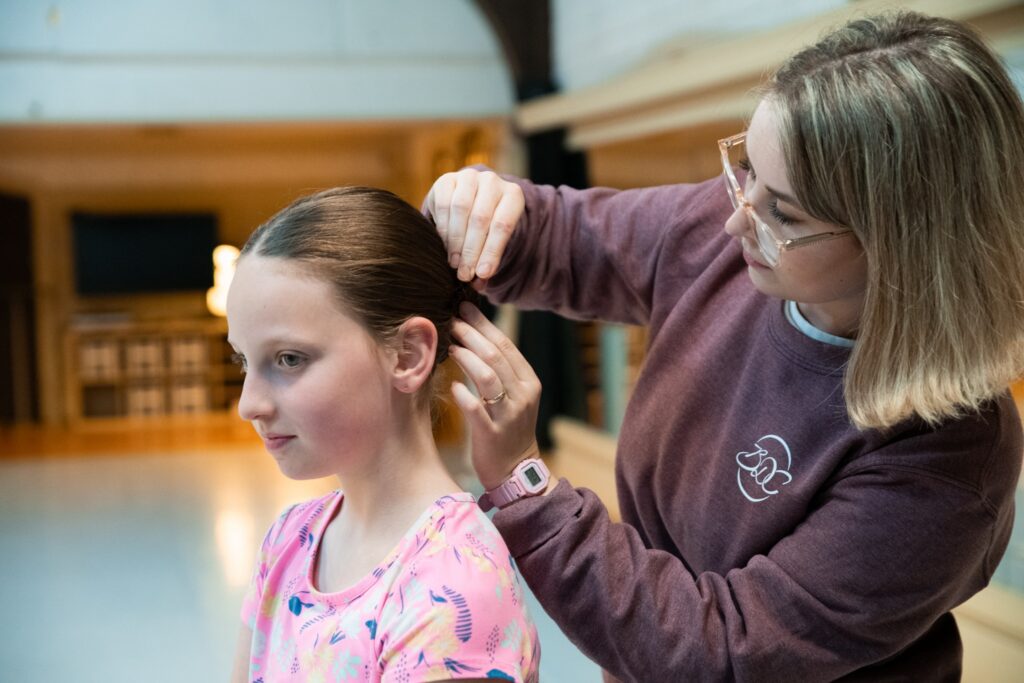
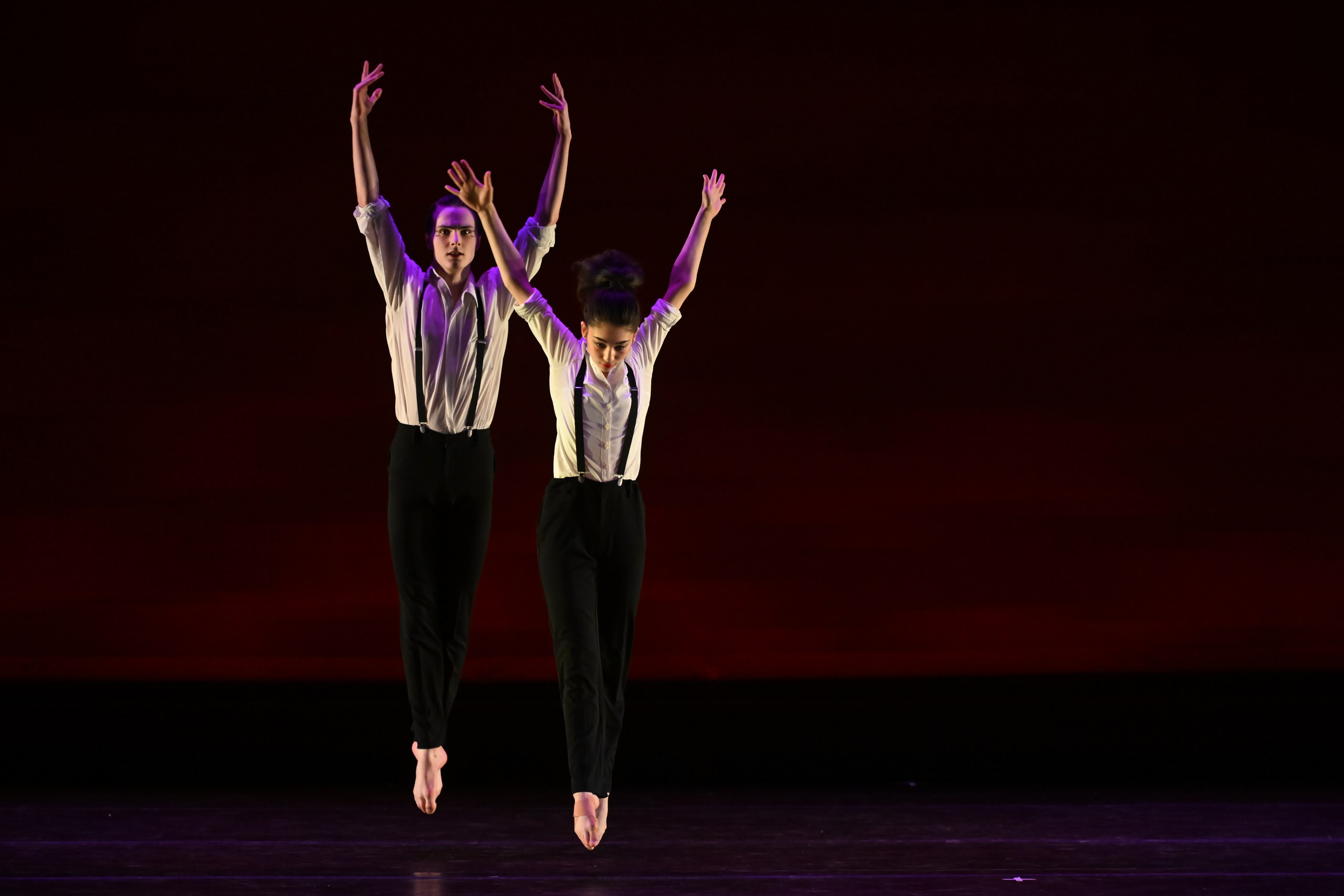
Older dancers can become teacher assistants, participate in a mentorship program with younger students and receive formal instruction in choreography.
Recent graduates have gone on to the University of Utah and the Washington Ballet, where one became a trainee.
Keeping the staff and culture intact
While Morrison has modernized the business, much of the school’s strength remains rooted in its people.
Every instructor on the current roster either danced professionally or came through the school.
Betsy, who taught Morrison when she was a child, has been on staff since the 1980s. Assistant artistic director Nicole and her husband both had professional careers, and he now teaches partnering.
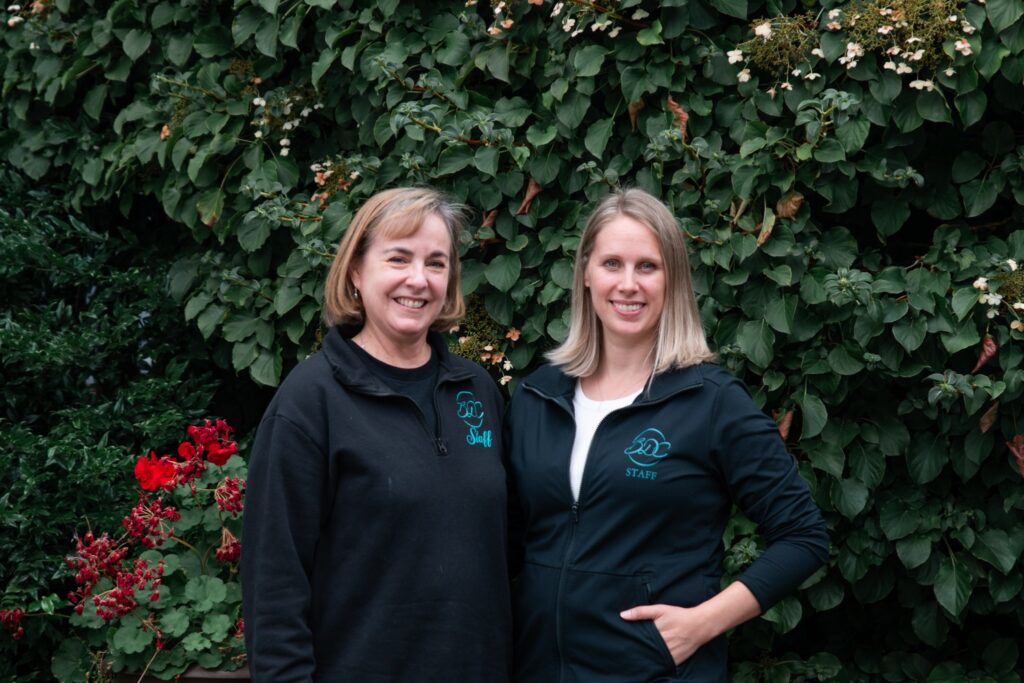
The school also has staff working beyond the studio. Its onboarding specialist is an alumna who now lives in California and serves as the first point of contact for inquiries, guiding prospective families through enrollment.
Office manager Rebecca also serves as treasurer of Peninsula Dance Theatre after previously serving as its president.
And the connection between generations isn’t limited to alumni.
Morrison’s own daughter is a fourth-generation dancer at the school.
Families returning across three and four generations are one of the clearest signs to Morrison that the organization has built something that lasts.
Keeping the nonprofit moving
While growth is the focus of Bremerton Dance Center, Morrison sees a different role for Peninsula Dance Theatre.
“Growth is for the school. Community connection is for our nonprofit.”
Keeping that nonprofit moving requires its own business strategy.
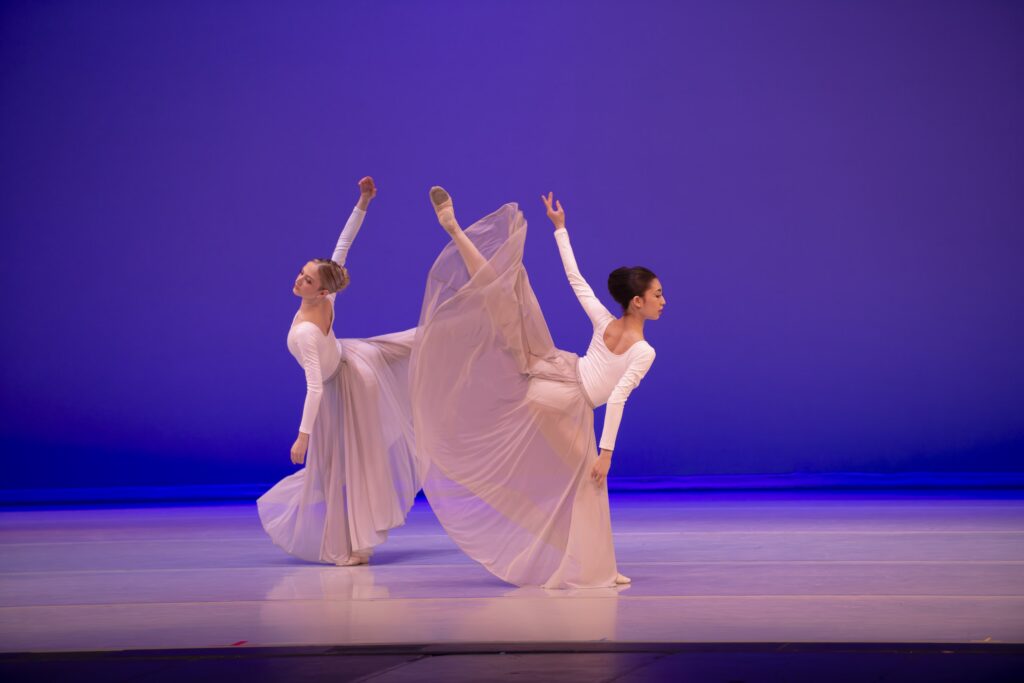
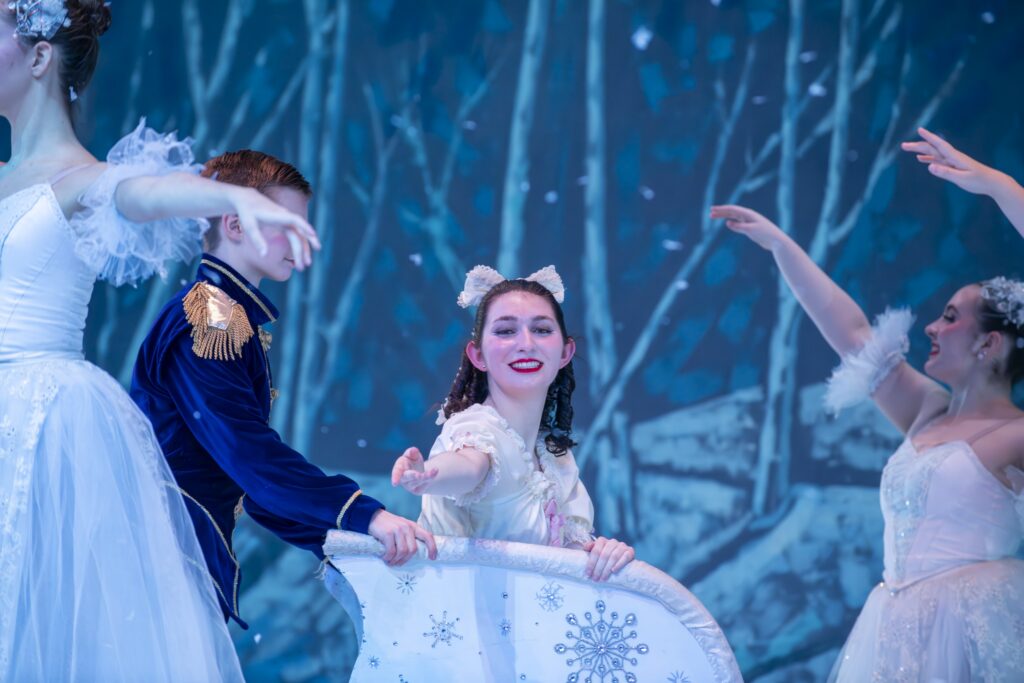
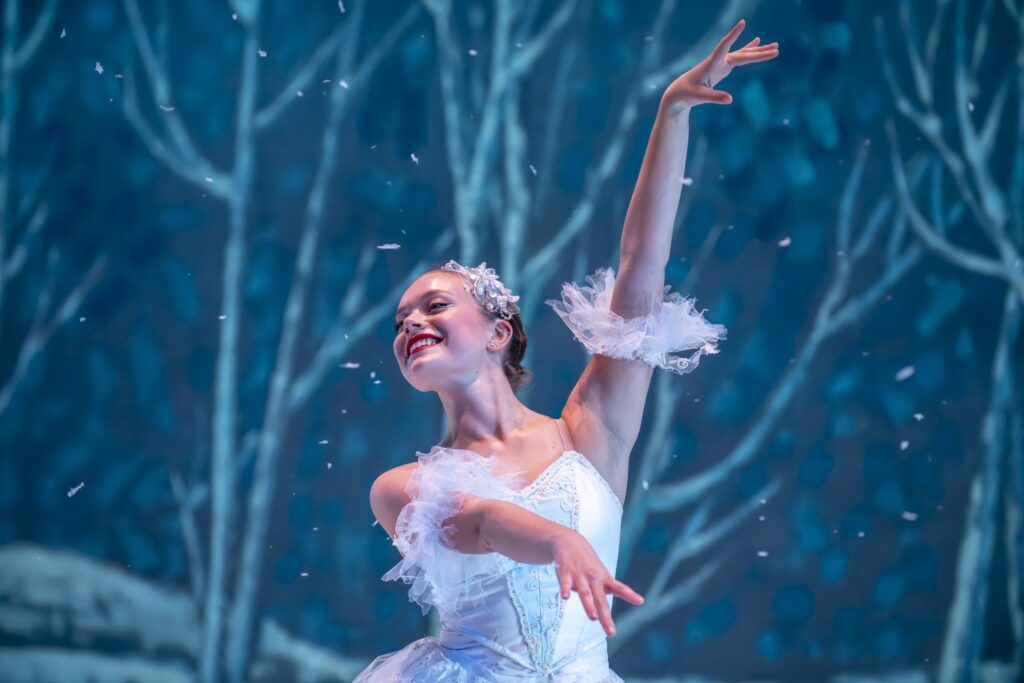
Peninsula Dance Theatre operates a season of productions that includes The Nutcracker, a choreography showcase, a spring ballet, a school tour and a season-opening fundraiser.
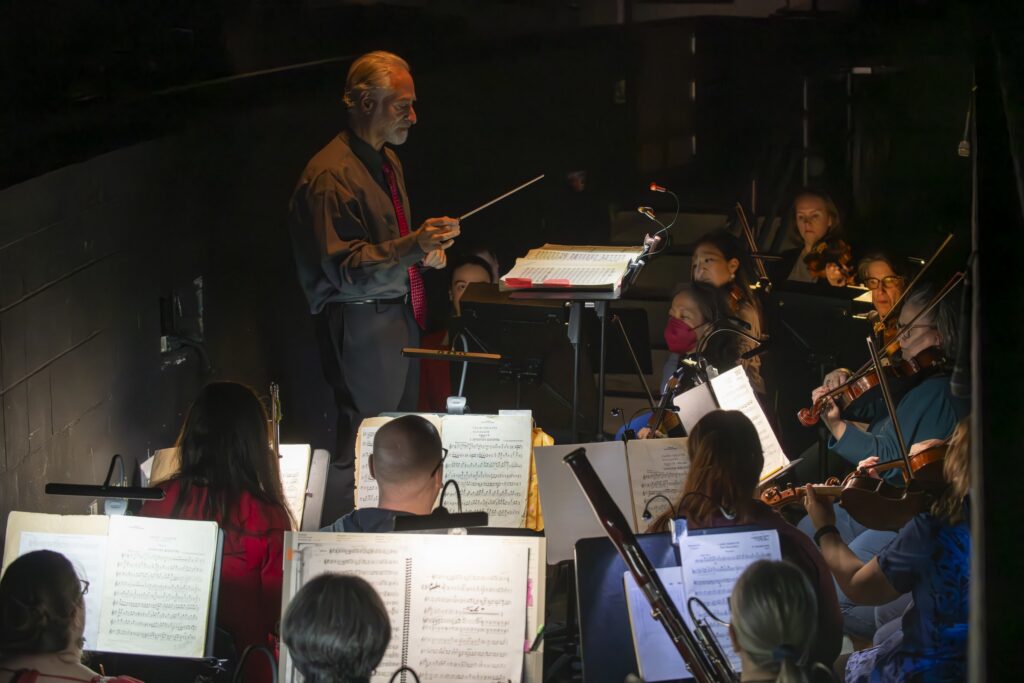
The dance theatre has performed The Nutcracker on the peninsula for more than 50 years, with live music from the Bremerton Symphony dating to the mid-1980s.
The company also takes performances into the community. Its school tour, a 25-minute assembly performance, has been running for roughly 20 years.
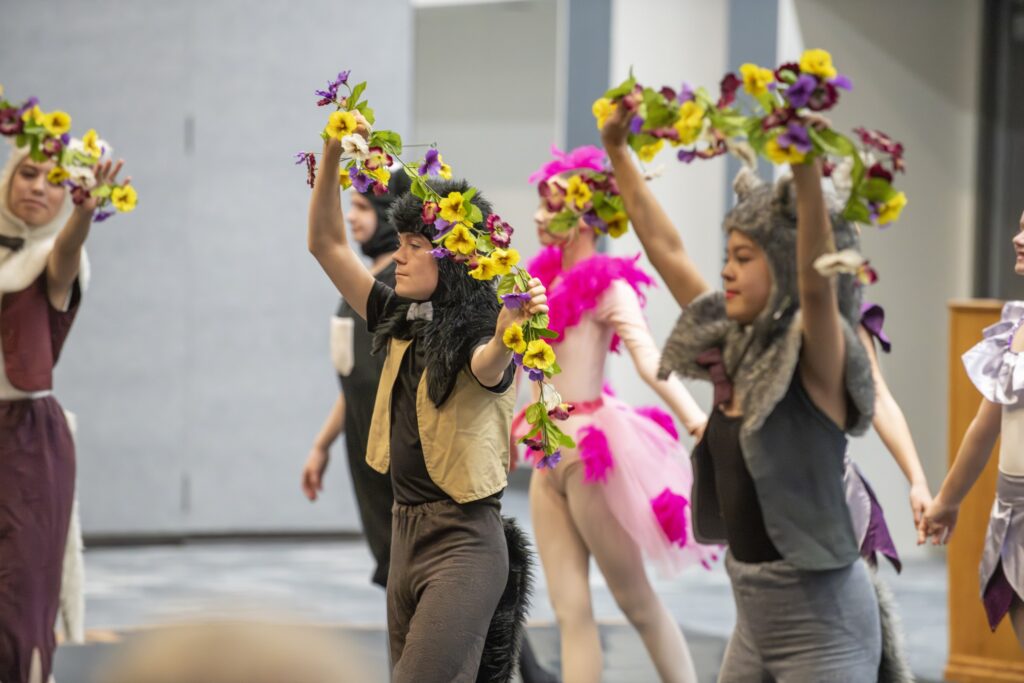
This season’s school tour is The Stinky Cheese Man, a production Morrison originally choreographed when she was 19.
“I was like, Grandma, I have a brilliant idea, and she let me go with it. She trusted me,” she said.
Keeping the productions going requires more than dancers.
Peninsula Dance Theatre’s costume and set shops are staffed entirely by volunteers. A team of seamstresses makes the company’s tutus, while two retired volunteers build props and sets.
“If you see a tutu, it’s made by us,” Morrison said. “They’re not going to be recital quality. They’re going to be cared for and loved and handmade.”
The set-building operation recently moved into a larger downtown space beneath Frog Soap, giving volunteers room to construct full sets and see how they will look onstage.
They are currently building a new Nutcracker cannon.
“If there’s anyone out there in the community who likes to fiddle with things, let us know,” Morrison said.
For Morrison, keeping those volunteer networks active is part of keeping the nonprofit sustainable.
Rebuilding community connections
One of Morrison’s current priorities is reconnecting Peninsula Dance Theatre with the larger Bremerton community.
“I think we kind of lost our touch a little bit in the transition between my grandmother and I,” she said.
She has joined the chamber and re-engaged with the Arts Council, efforts that have opened the door to new relationships with local organizations and businesses.
Spiva Cooking is creating a custom decaf Nutcracker blend to sell through the company.
The Bremerton Symphony partnership is expanding beyond Nutcracker, with the two organizations set to co-present Peter and the Wolf in the spring.
Kitsap Regional Library hosts company performances through its community programming.
Morrison is also working to make the company’s performances more accessible. A sensory-friendly Nutcracker, launched last year, features softened music, dimmed lighting, house lights at half, open doors and a calming corner.
She is bringing in an accessibility organization she met through the chamber to provide feedback.
“Give us some hot tips to see if we can make it better for our audience to enjoy,” Morrison said.
The company also offers daytime school performances for $6 a ticket and has participated in the Blackberry Festival’s Kids Corner.
“We’re just trying to see what our business can do for other businesses and vice versa,” she said, “and just trying to build a better town.”
Defining her own legacy
Morrison wants the school to continue growing and attracting families. The nonprofit needs dancers, audiences, volunteers, donors and community connections. Both need to maintain the traditions that have made them recognizable while adapting to the needs of the people they serve today.
And the two organizations continue to feed one another.
Students become teacher assistants. Alumni return as instructors. Parents volunteer to sew costumes and build sets. Graduates take their training into dance programs and communities elsewhere.
“It’s really cool just to see these little webs go out into the world,” Morrison said.
For Morrison, the ultimate goal extends beyond producing dancers.
“I just want them to be able to have the confidence to be leaders themselves — to go out there and be successful and be proud of what they do, because they put so much hard work into what they do here,” she said.
“Whether it’s moving on to a career in ballet or dance, or going in a different direction, I just want them to have the confidence to take a chance.”