How Raydient Is Turning a Company Town Into Kitsap’s Next Destination
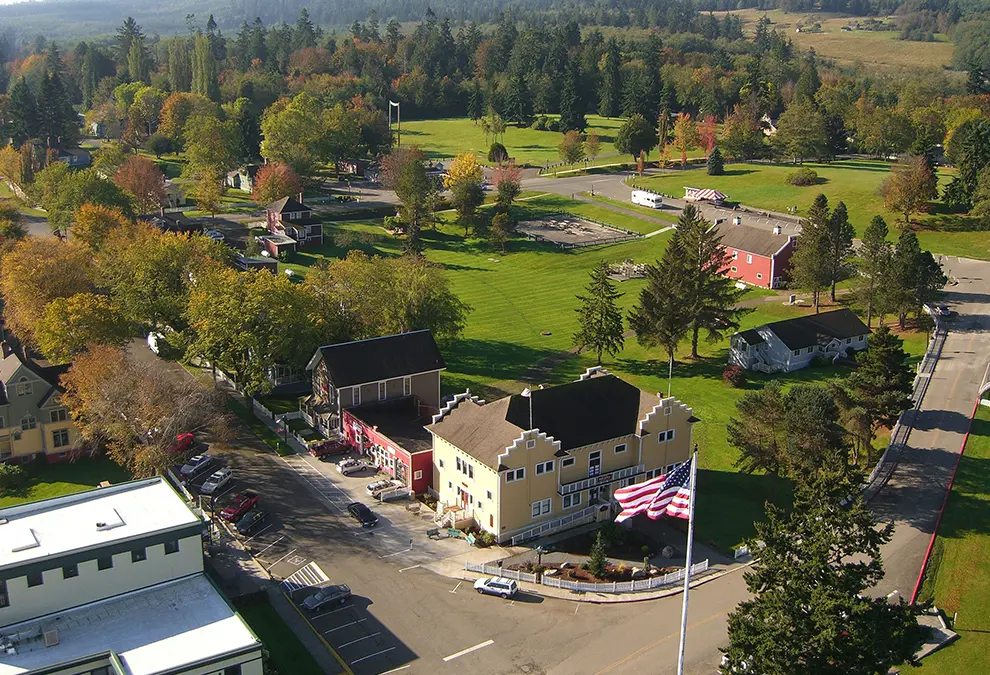
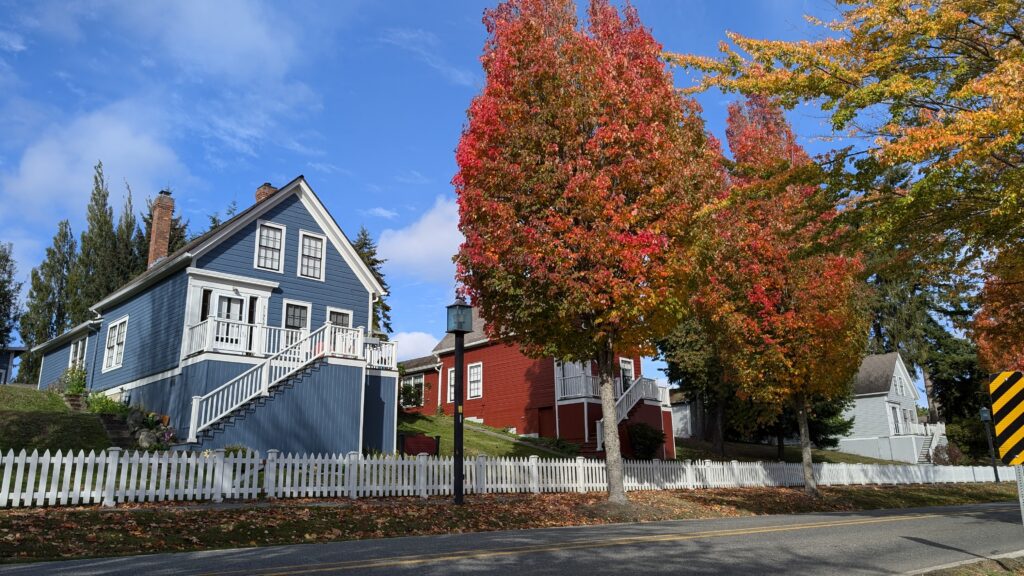
On a map, Port Gamble is a dot on the northern edge of Kitsap County — a postcard-perfect cluster of New England-style buildings perched above Hood Canal. On the ground, it is something far more complicated: a 170-year-old former mill town, a federally recognized historic district and the centerpiece of an ambitious experiment in rural redevelopment.
Raydient Places and Properties, formerly known as Olympic Property Group, the real estate arm of Rayonier’s land business in the region, is attempting something rare. Instead of simply subdividing the land around Port Gamble into view lots and cul-de-sacs, the company is trying to transform a closed company town into a vibrant economic, recreational and residential destination while preserving its historic character and protecting the forests and shoreline that surround it.
“It should be a story for a 5,000-acre subdivision or master plan,” said Jon Rose, vice president of real estate at Rayonier TRS Holdings Inc. “But at the end of the day, we’re only building 225 new homes. It’s a really small project for everything that’s gone into it.”
From Mill Town to Master Plan
Port Gamble’s story began in 1849, when Maine lumbermen Pope and Talbot headed west during the Gold Rush era. By 1853, they had selected a strategic location on Hood Canal where vessels could reach Olympia, the Hood Canal and the Pacific.
The mill town that grew from that decision became one of the longest-running lumber operations in the Western Hemisphere, closing in 1995. At its peak in the late 1920s, Port Gamble was home to 700 to 800 residents, many living in company housing within walking distance of the mill.
As automobiles changed the way people lived and worked, the company town model faded. Houses were sold, and some were moved away entirely.
In 1966, Port Gamble was added to the National Register of Historic Places as a rare example of a Puget Sound community “settled not by wagon train or railroad,” Rose said, “but from the water in.”
After the mill closed, preservation became both an asset and a challenge. Maintaining aging infrastructure became financially unsustainable.
“It was losing money,” Rose said. “To get it back on the road, we had to get zoning, we changed the state law, we built our own sewer plant, we brought five miles of pipe in for water. We did a master plan.”
That plan, submitted in 2013, was approved in 2022.
“From the day the mill site closed to the day we are now able to build homes, it was 30 years,” Rose said.
Cleaning Up the Past to Build a Future
While Raydient worked through land-use approvals, the company and its predecessors invested heavily in cleaning up the mill’s industrial legacy.
“We started doing environmental cleanup around the year 2000 and we are just at the tail end of that,” Rose said. “Tens and tens and tens of millions of dollars that the company spent.”
On the former 26-acre mill site, crews dredged roughly 10,000 truckloads of contaminated sediment, restored the shoreline and replanted more than 1,100 trees.
“The development will only be on about 10 acres,” Rose said. “The rest of it’s going to be forest and natural, and we’ve also restored the beach. If you live here you’re going to have a waterfront park, which is going to be kind of killer. You can have a cup of coffee, catch a show, go for a beach walk, and you don’t have to even look at your car.”
For Rose, restoration is not separate from development. It is the foundation of the community Raydient hopes to create.
The Kitsap Forest & Bay Legacy
Beyond the mill site, Raydient’s most significant contribution to North Kitsap may be the land it helped preserve.
When Rose joined the company, Raydient controlled tens of thousands of acres of timberland increasingly surrounded by development.
“I told the company, ‘Look at all these people moving in on your tree farm. A tree you plant today, you’re not going to be able to cut in 40 years,’” he said. “‘You need to get out, and I have an idea on how to get out.’”
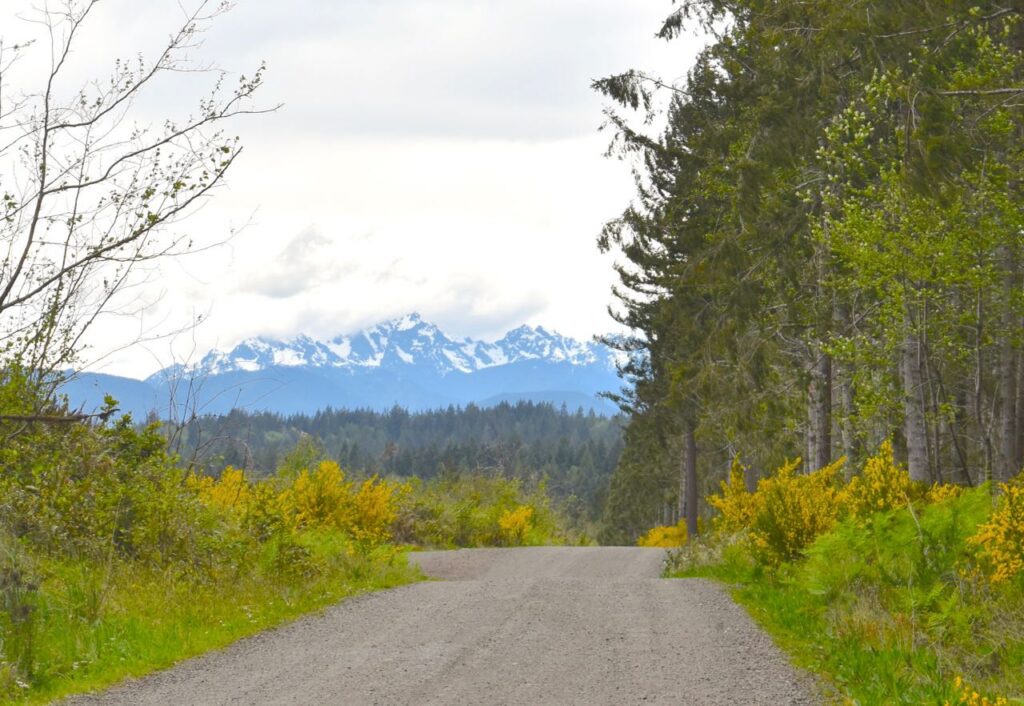
That idea became the Kitsap Forest & Bay Project, a long-term effort to preserve key blocks of timberland around Port Gamble through partnerships with conservation groups, tribes and government agencies.
Rose began by challenging the community to get involved.
“Five hundred fifty people show up to a meeting,” he said. “And I say, ‘We’re getting out. Do you want to work together to make something amazing? We will work with you, help you raise money, but you’ve got to buy the land.’”
The effort eventually brought together dozens of organizations.
Over time, about 5,000 acres of Raydient land transferred into public ownership, including large forest blocks and shoreline.
“They couldn’t afford the land and the trees, because the trees are worth more than the land,” Rose said. “So we kept the trees. When we log and replant, that new tree is the county’s new tree. We’ve created a legacy that’s a lifetime. We totally changed the absolute future of this place.”
Those preserved lands now support trails, recreation and a mountain bike park that draws visitors from throughout the region.
“You look around Hood Canal, you’re going to see mountain bikes,” Rose said. “That has changed. People come from all over to do that.”
The “University of Port Gamble”
For Rose, the future of Port Gamble is not just about homes. It is about creating a place where people live, learn and connect.
The idea of turning the historic town into another conventional subdivision did not fit.
“Are we just going to subdivide it and sell it off so we have cute homes for fancy people? That felt incredibly typical and lame,” he said.
Instead, Rose developed a broader vision he calls the “University of Port Gamble” — a community built around marine science, arts, agriculture and lifelong learning.
“All the conventional wisdom evolved since the year 2000 that if you want to keep your body alive and have a quality of life, you have to keep your brain alive,” he said. “You have to stay engaged, both socially and intellectually.”
The concept focuses on four themes: marine environment, arts and culture, plants and horticulture, and community engagement.
“In our CC&Rs we make it really clear: if you’re looking for a quiet place to retire and then die, this is not it,” Rose said. “But if you’re looking for a place that’s vibrant, that’s constantly evolving, where you engage with people and share this place with the public, Port Gamble is for you.”
A Working Waterfront
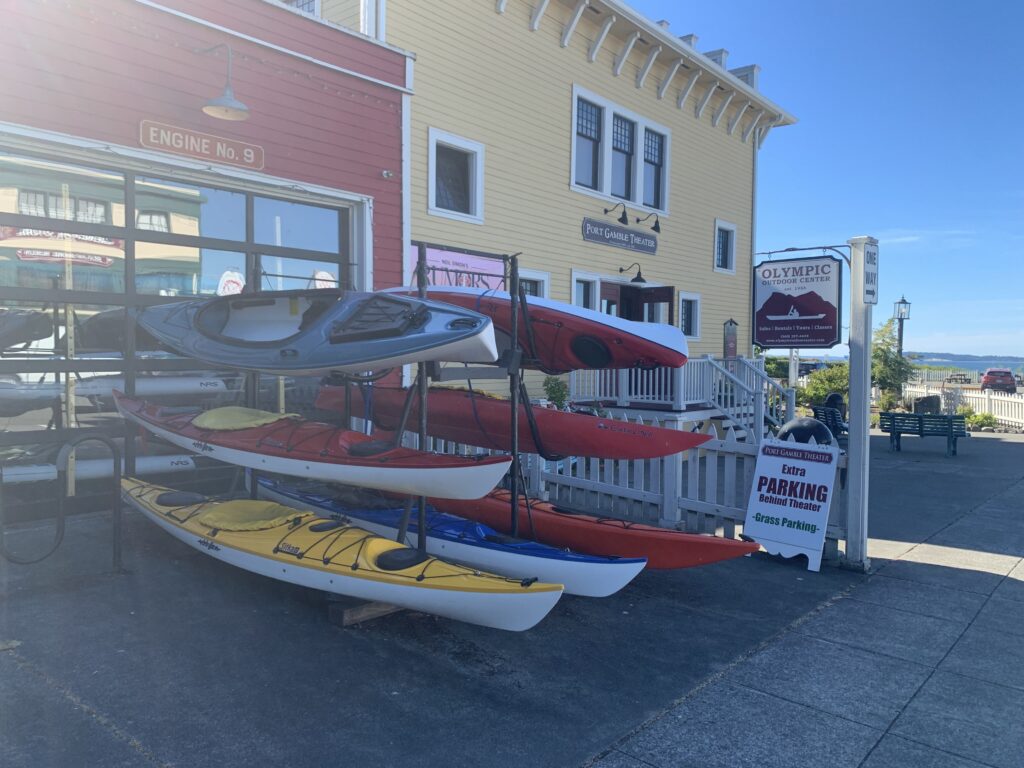
The waterfront is becoming the first major piece of that vision.
A marine testing laboratory has operated on leased Raydient land for two decades, providing a foundation for a broader marine science cluster.
Building on that anchor, Raydient has convened the Port Gamble Aquatic Science and Industry Collaborative — a group of scientists, shellfish growers, industry representatives and others interested in expanding marine-related opportunities.
“We’re going to present a site plan that shows another lab — could be a university lab, a lab the tribe is interested in, space for people who farm shellfish,” he said. “It’s going to be a whole ecosystem of marine uses.”
The waterfront plan also includes cultural elements developed with the Port Gamble S’Klallam Tribe, including canoe landings, trails, story poles and structures reflecting traditional architecture.
“That’s something that is authentic,” Rose said. “It’s not cheesy, it’s not make-believe, because those families are right there across the bay.”
Arts, Agriculture and Housing
The historic village is also evolving.
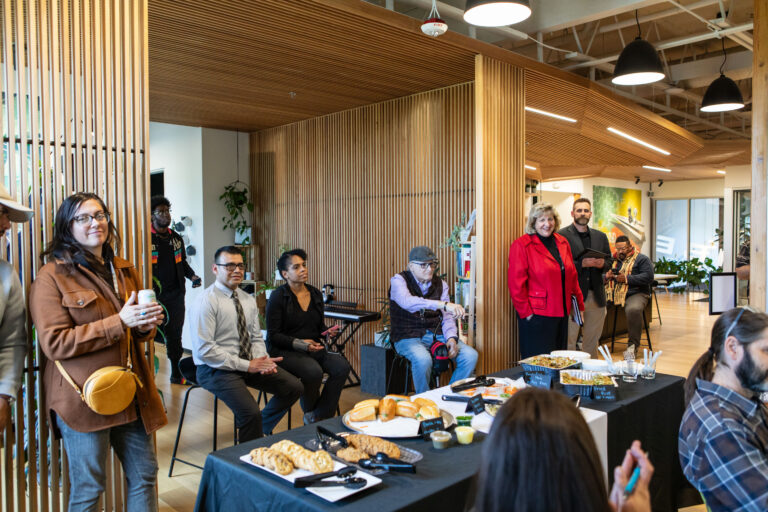
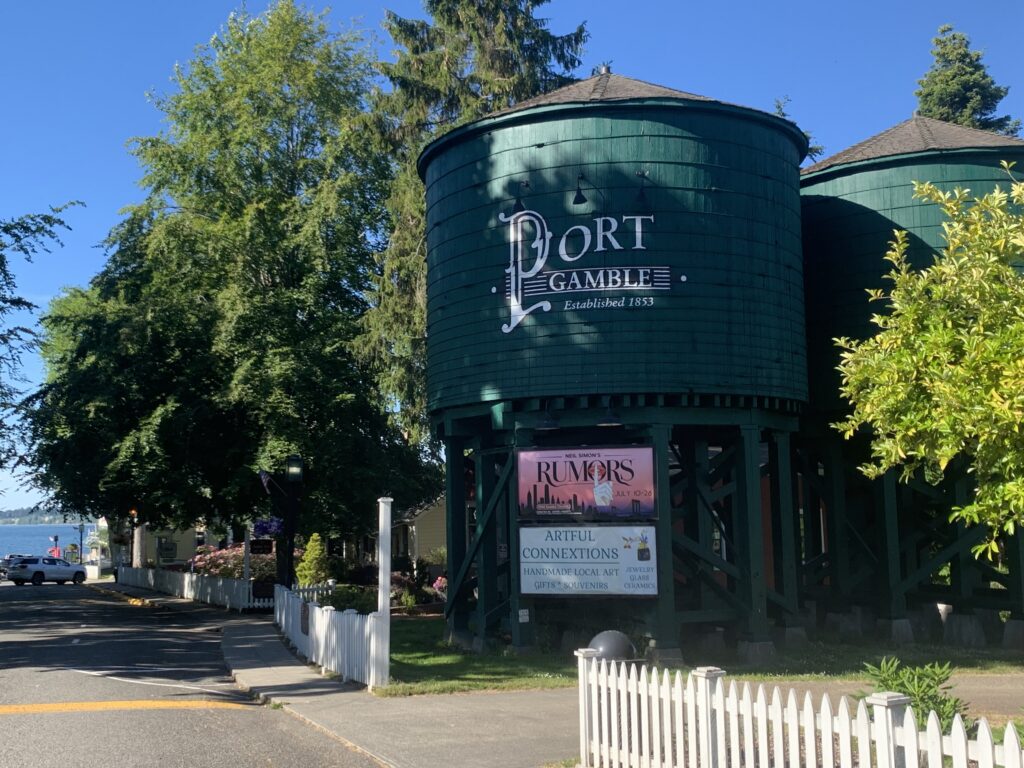
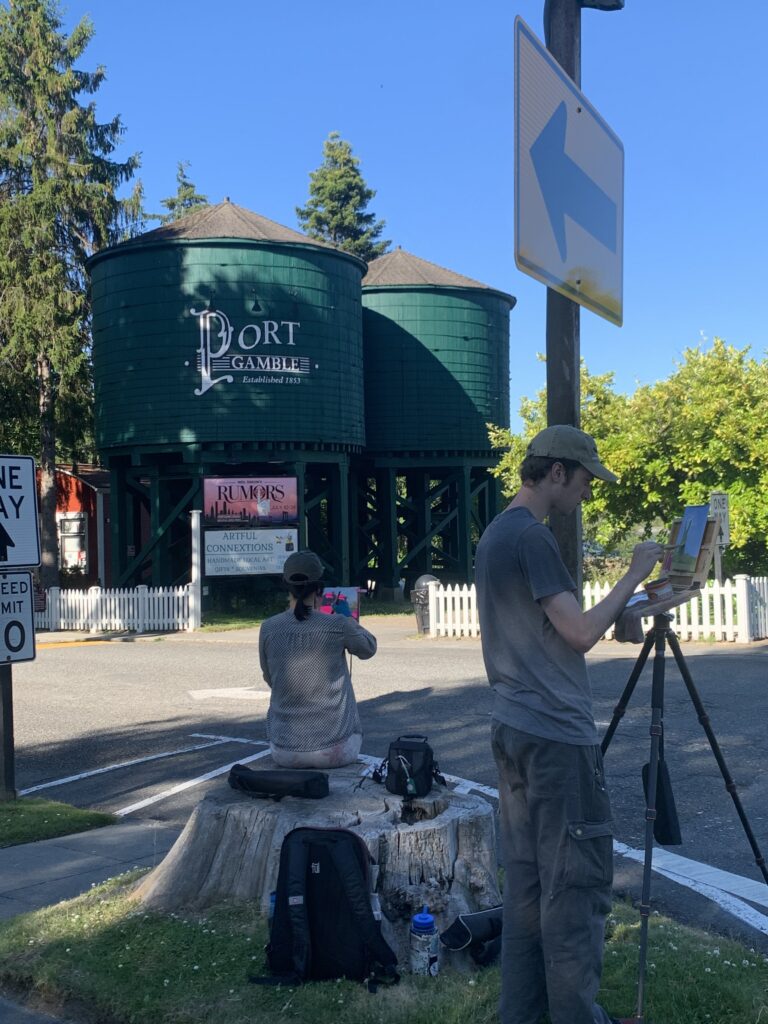
Former community spaces now host vintage cinema, live theater, music, an art gallery and several fiber arts retailers.
“They’re doing vintage cinema, live theater, and music, and there’s an art gallery,” Rose said. “And that’s just the beginning. We will make maker spaces. The second major is arts.”
The agricultural district north of town connects farming, events and recreation. Raydient has restored the original Babcock farm and created opportunities for agricultural tourism, including cideries, wineries and additional event space.
“We’re allowed to do cideries, wineries, and agricultural tourism up on the farm,” Rose said. “Our event center is full. We need a second event center.”
West Sound Wildlife Shelter is also planned as part of the community.
“They fit this campus,” Rose said. “They maintain a fleet of 100 volunteers, so residents have something to do. There are constructive things to work on — trails to maintain, things to engage with.”
Housing remains central to the plan. Raydient’s approved master plan includes about 225 homes, including new housing near the historic core.
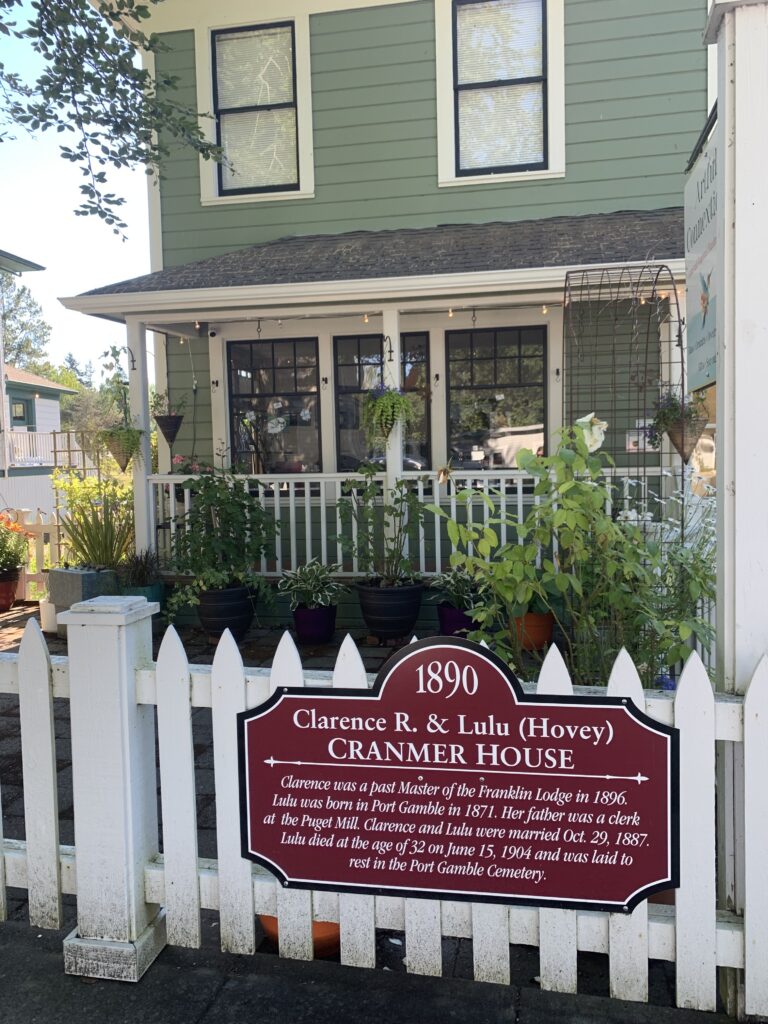
Even small details are designed to preserve Port Gamble’s character.
“Even the detached garages, we have architectural plans for,” Rose said.
He expects the buildout to take less than a decade.
Why Port Gamble Matters
Rose believes Port Gamble could become one of Kitsap County’s most important economic assets.
“It is one of the only places in Kitsap that is zoned and approved for both residential development and business development,” he said.
The town already attracts visitors from across the region, but Rose argues that conservation investments need an economic engine to sustain them.
“The way your investment works is you take a bunch of money and you build something, and then that thing you build sends money back. That’s what an investment is,” Rose said. “The county has invested in 5,000 acres of an asset and has no way to make money on it.”
“We’ll have hotels, hotel-motel tax, we’re going to have employment here,” he continued. “We’re going to leverage this amazing investment in 5,000 acres, and we’re going to capture people’s tourism dollars and their visitor dollars, and by the way, give Kitsap a jewel — buffing up this jewel that everybody should be proud of.”
Residents already see Port Gamble as a destination.
“Anytime somebody’s visiting from out of town, what are we going to do today?” Rose said. “Port Gamble is where they bring their mom every Mother’s Day.”
A Broader Approach to Community Building
Port Gamble is Raydient’s most ambitious and visible redevelopment effort, but it is part of a broader portfolio of master-planned communities designed around housing, recreation and civic amenities.
One example is Harbor Hill, a large-scale community in Gig Harbor that includes approximately 500 single-family homes and 500 multifamily residences, including Herons Key, a senior living community. The development also includes a YMCA, four city parks and Swiftwater Elementary School, with Harbor Christian Center planned as a future addition.
Raydient’s remaining property at Harbor Hill is the 18-acre Village at Harbor Hill, a planned mixed-use area that the company says has been a priority for both Raydient and the surrounding community.
In North Kitsap, another Raydient property has generated a much more complex conversation. The 400-acre property formerly known as North Kitsap United, located east of Port Gamble, became the subject of a countywide debate over housing density, open space and future community uses.
Raydient sought a rezoning that would have allowed about 60 additional home sites while clustering development and preserving roughly 300 acres as open space. The proposal was ultimately denied by the county following significant public discussion.
Rose said the company accepted the decision and has continued exploring alternatives that could preserve much of the land while adding community amenities.
“With regards to North Kitsap United, we worked hard, put our best foot forward, and made our case,” Rose said. “While we were disappointed with the decision to deny the rezone it was not ours to make. We accept that decision and will move forward constructively and collaboratively on whatever the future holds for the property.”
The revised vision focuses on conservation and community uses, including a potential YMCA and youth sports facilities that could serve families throughout North Kitsap while complementing nearby trails and open space.
“The most controversial rezone element was the potential increase in the number of residences,” Rose said. “As an alternative we’ve prepared a site plan showing no residences to illustrate that possibility.”
The company is also exploring conservation-based options for the property.
“The good news is that the company is willing to work with the community to explore purchase options,” Rose said. “We conducted a multi-organization meeting at the end of 2025 to explore fundraising ideas and hope to have more news on that soon.”
For Rose, the long-term goal is consistent across Raydient’s projects: creating communities where housing, recreation, education and conservation are interconnected.
“When I go back and look at the footprint we leave behind by the time I’m out of here, you’ve got this cool little college town, 5,000 acres of preserved forest, and then a YMCA and sports fields for kids,” Rose said. “That’s what the vision has been. That vision has been that way for 20 years.”
Looking Ahead
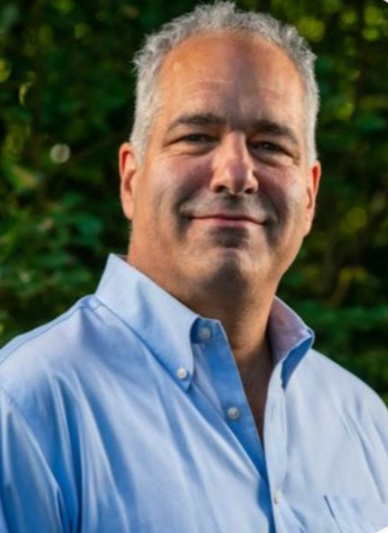
Ask Rose what he wants a first‑time visitor to see in 2035, and his answer returns to the idea of Port Gamble as a functioning community, not a museum or a gated enclave.
“I hope they see a community that feels knit together as a community,” he said. “I hope they sit in the restaurant and hear people with different accents from all over the country and all over the world.”
He wants the town to welcome longtime residents, newcomers and tribal families whose history is woven into Port Gamble’s story.
“You’ll come back to a place where the original founders still have a presence, and that’s the tribe,” he said. “That’s a goal of mine — to make this a comfortable, welcoming place for everybody, especially that group of families.”
In an era when many historic company towns either ossify into static museum pieces or vanish beneath waves of undistinguished development, Olympic Property Group’s experiment at Port Gamble is a gamble of its own: that a place can grow and change in ways that honor its past, sustain its environment, and still make sense as a business.
“You’ve got to dream crazy big,” Rose said. “And if you get half of that, it’s going to be the most amazing place.”
Keep in touch with our news & offers
Subscribe to Our Newsletter
Thank you for subscribing to the newsletter.
Oops. Something went wrong. Please try again later.