How WSU Extension Is Cultivating a Resilient Local Food Economy
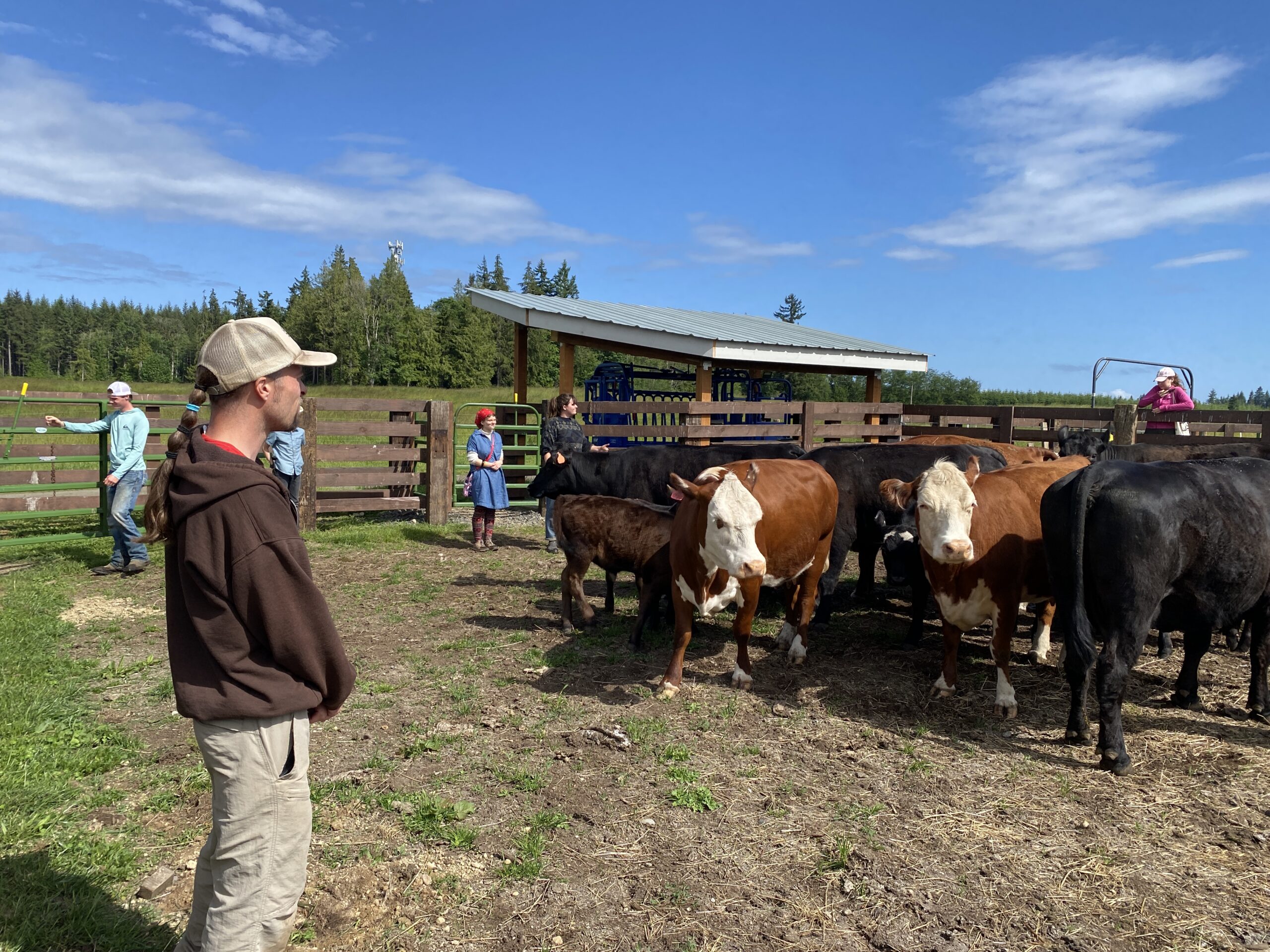
In a county better known for shipyards and ferry routes than for farmland, agriculture in Kitsap County is both intimate and essential. Small-acreage farms dot rural roads from Poulsbo to Port Orchard. Farm stands operate on the honor system. Farmers markets double as gathering places. Behind much of the quiet coordination that helps those farms survive — and thrive — is Washington State University Kitsap Extension’s Farming & Food Systems Program.
For Interim Director Jess Sappington, the mission is grounded in both practicality and community.
“In Kitsap County, WSU Extension’s Farming & Food Systems Program works alongside farmers, community partners, and residents to support local agriculture, improve access to healthy local food, and strengthen the county’s food system,” Sappington said. “Grounded in WSU Extension’s broader mission of community education, the program translates university research into practical, locally driven learning opportunities that help individuals and communities thrive.”
That translation — from research to real-world application — defines what green business looks like in Kitsap’s agricultural landscape. Sustainability here is not abstract. It is soil health plans, diversified revenue streams and farmers balancing stewardship with survival.
A Green Business Model Rooted in Balance
When asked what “green business” means in local food systems, Sappington speaks about balance.
“When I think about a ‘green business’ in agriculture and local food systems, I really think about balance,” she said. “It’s about caring for the land – soil, water, ecosystems – while still running a business that can actually support people and last over time.”
In Kitsap County, many farms are small, diversified and deeply place-based. They keep food dollars circulating locally and make decisions with long-term resilience in mind.
“In our work around Kitsap County, the program has worked with a lot of small-acreage farmers who really live this out,” she said. “They’re deeply connected to their land and their community. They focus on things like building healthy soil, reducing waste, and making choices that support long-term resilience, not just short-term gains. At the same time, they’re flexible and creative – diversifying income, adapting to change, and making sure farming can remain a viable livelihood. These are very place-based businesses. They keep food dollars local, engage directly with their neighbors, and think about sustainability not just for today, but for the next generation too.”
That balance between ecology and economics shapes the program’s work.
Practical Support for Sustainable Profitability
Helping farms operate sustainably is only half the equation. Financial viability is equally critical.
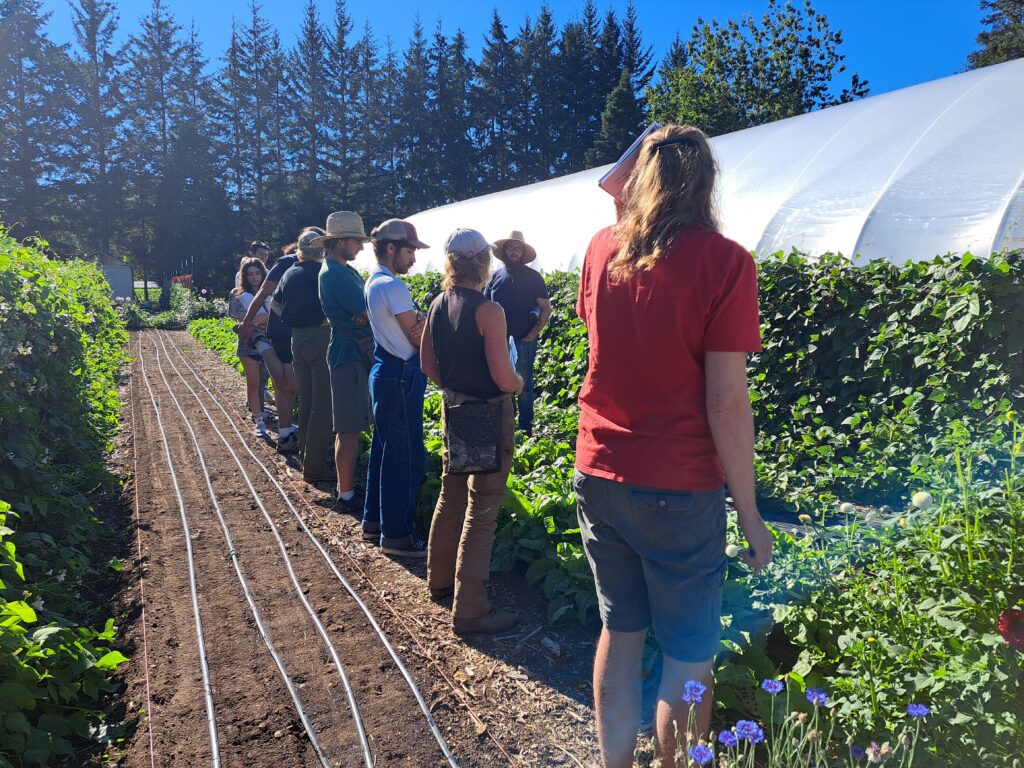
“The program tries to help farmers and food producers by meeting them where they’re at and giving them practical, research-based support they can actually use,” Sappington said. “Here in Kitsap County, that looks like hands-on education and one-on-one technical assistance through WSU Extension’s Regional Small Farms work. Farmers get help thinking through production practices, land stewardship, and business planning in a way that fits their operation, whether they’re just starting out or looking to grow more sustainably.”
Sustainability, she emphasized, must include economic durability.
“At the same time, the program emphasizes supporting the financial viability of farms,” she said. “That means helping farms access and strengthen markets – things like farmers markets, farm stands, agritourism, and food access programs – so they can reach more customers and build more reliable income streams. Sustainability isn’t just about the land; it’s also about making sure farms can stay in business long term.”
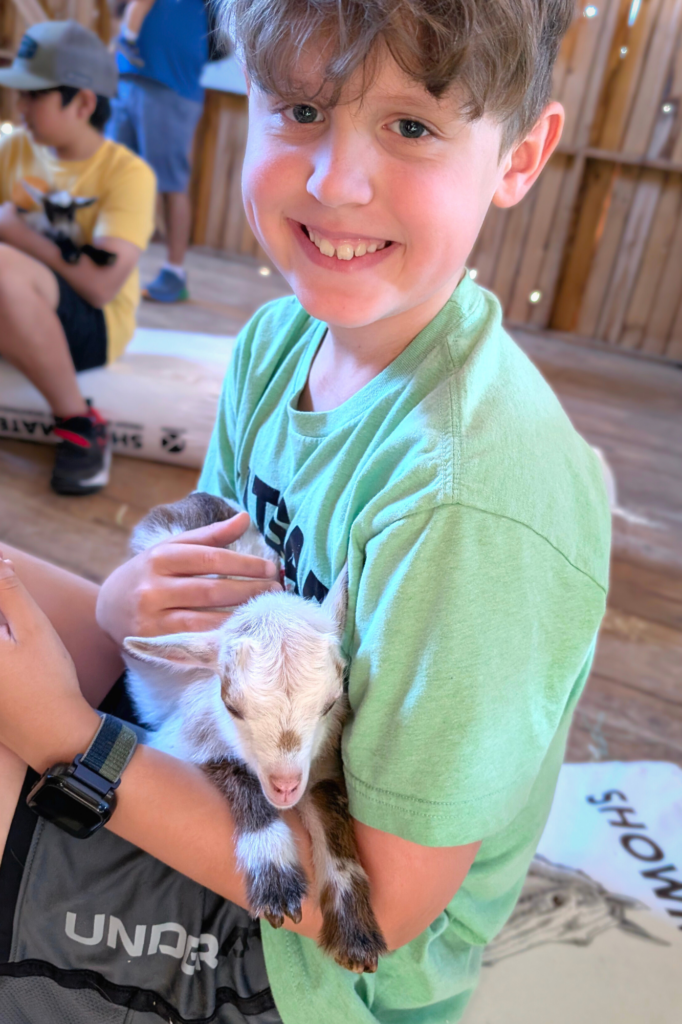
One example is the Kitsap Agritourism Coalition, a network of farm businesses that incorporate public-facing experiences — tours, events and on-farm education — to diversify income and deepen community ties.
“What’s been really exciting to see is how the coalition has grown into a strong peer network,” Sappington said. “Farmers are sharing resources, learning from each other, and working together to solve common challenges.”
That collaboration led to the Annual Kitsap Farm Tour, now entering its fourth year and held the second weekend of August. The event invites residents onto working farms to meet farmers and see firsthand how local agriculture operates.
“The tour is a great way to showcase what these agritourism farms have to offer, while also giving the public a chance to visit farms, meet farmers, and learn why local agriculture matters,” Sappington said. “It supports farm businesses directly, but it also supports the bigger goal of outreach and education, helping people understand the value of local farms and why supporting them is so important to a healthy, resilient food system.”
Soil, Water and Science in Action
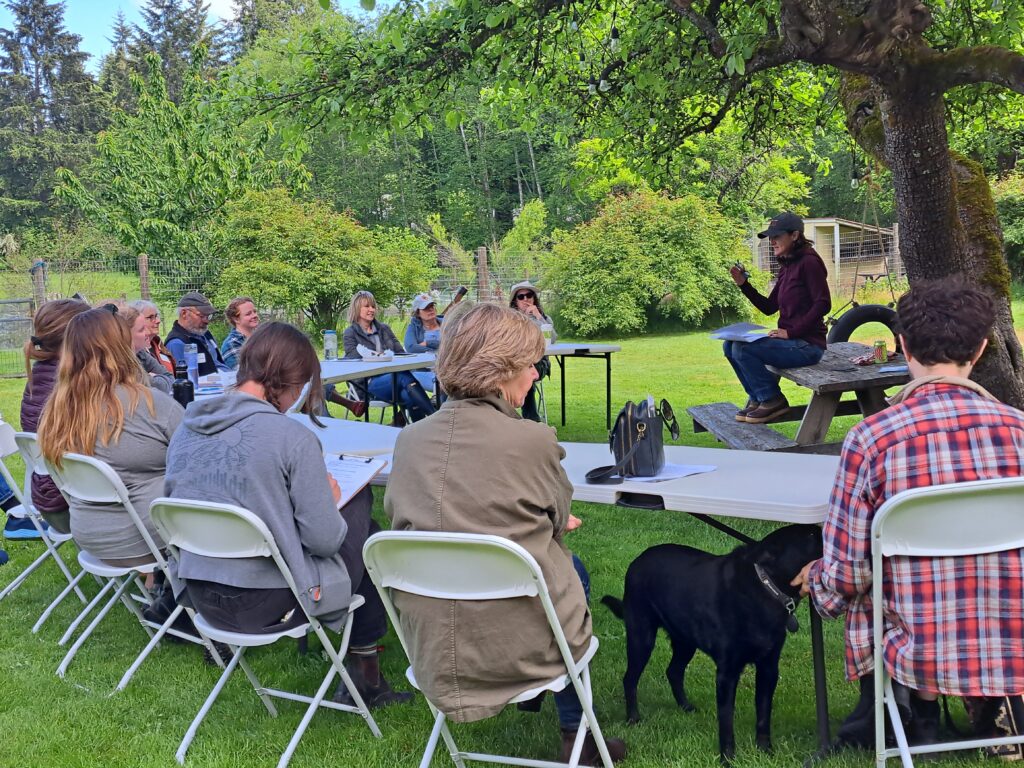
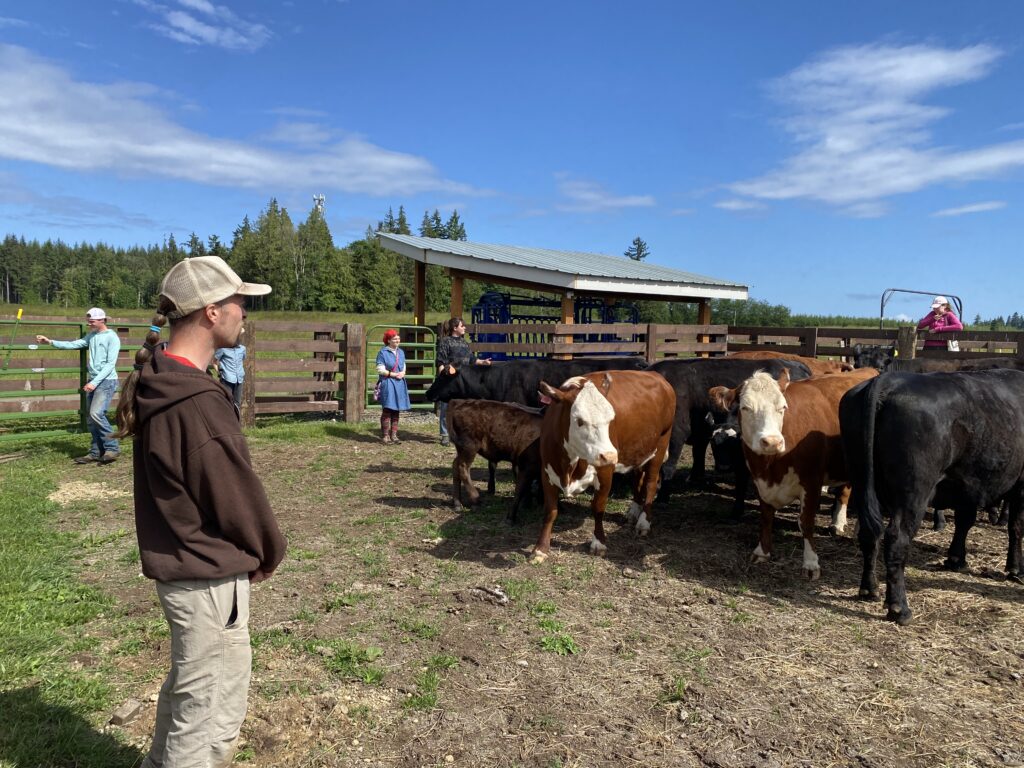
Sustainability often begins underground. Through its Regional Small Farms program serving Clallam, Jefferson and Kitsap counties, Extension provides workshops, farm walks and individualized technical assistance.
“In our work with farmers across Kitsap County, we frequently focus on soil health, water quality protection, integrated pest management, and thoughtful land use, alongside business practices such as market diversification, food safety, and direct-to-consumer sales,” Sappington said.
An integrated pest management specialist works directly with farms to address complex pest issues while keeping sustainability at the forefront.
“All of this is about meeting farmers where they are and helping them find solutions that work for their land, their businesses, and their communities,” she said.
As climate variability increases, science-based support becomes even more important.
“A big way the program helps local producers is by connecting them directly with practical, science-based information they can actually use,” Sappington said. “Through the larger University system, we’re able to bring the latest research straight to the community – whether that’s hosting workshops, farm walks, or hands-on learning opportunities where farmers can hear directly from WSU faculty, specialists, and other researchers. Everything is really focused on local conditions, and the real challenges producers are facing right now.”
Extension’s model is collaborative rather than top-down.
“Just as important, though, is the role farmers themselves play,” she said. “Many producers in our community are already actively responding to climate and environmental changes on their land. They take what they learn through Extension and adapt it to fit their own farms, whether that means trying new practices, building more resilient systems, or sharing what’s working with neighbors. Extension helps support that two-way exchange, where research informs what happens on the ground, and farmers’ experiences help shape how those ideas are refined and applied locally.”
Building the Next Generation
Long-term sustainability depends on who will farm next.
“Honestly, the heart of our work is making sure small and family-run farms have the information and resources that they need to stay successful and really feel supported in every stage of their farming journey,” Sappington said.
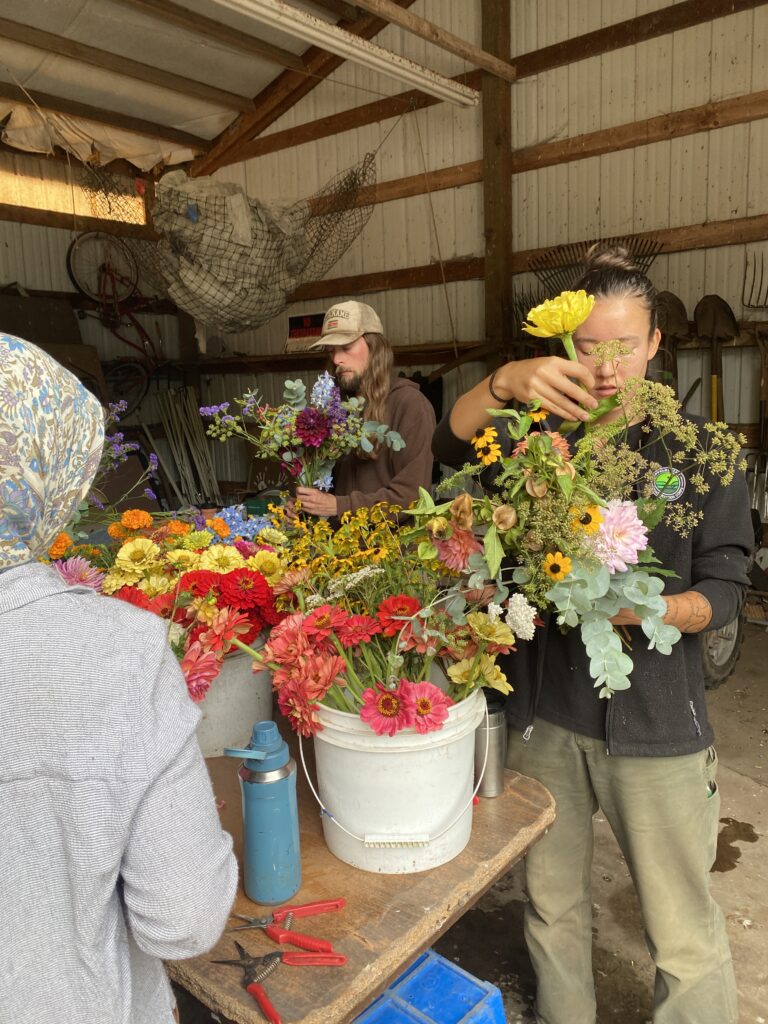
The Kitsap Farm Mentor Program pairs established farmers with interns working on their farms while participating in shared classes led by the mentors.
“This group-learning model does more than just boost each intern’s technical knowledge; it also creates a unique peer network,” Sappington said. “Instead of being siloed on their individual farms all season, interns get to connect, share experiences, and learn alongside one another. That combination of real-world education and community-building helps new and beginning farmers build confidence and see a clearer, more supported pathway into farming as a career. And because the mentors are all local farmers, the knowledge and experience stays rooted right here in the community.”
Access to land is equally important. Through facilitating the Kitsap Farmland Preservation Coalition, Extension supports efforts to protect farmland and expand access for new producers.
“When you step back and look at all these efforts together, you can really see how they create a full ecosystem of support for our local farms,” Sappington said. “We’re helping new farmers get started with hands-on education, structured learning opportunities, and technical assistance that gives them a solid foundation. At the same time, we’re supporting existing farmers with continued education, resources, and one-on-one technical assistance as they grow their operations and expand their markets.”
Strengthening the Local Food Economy
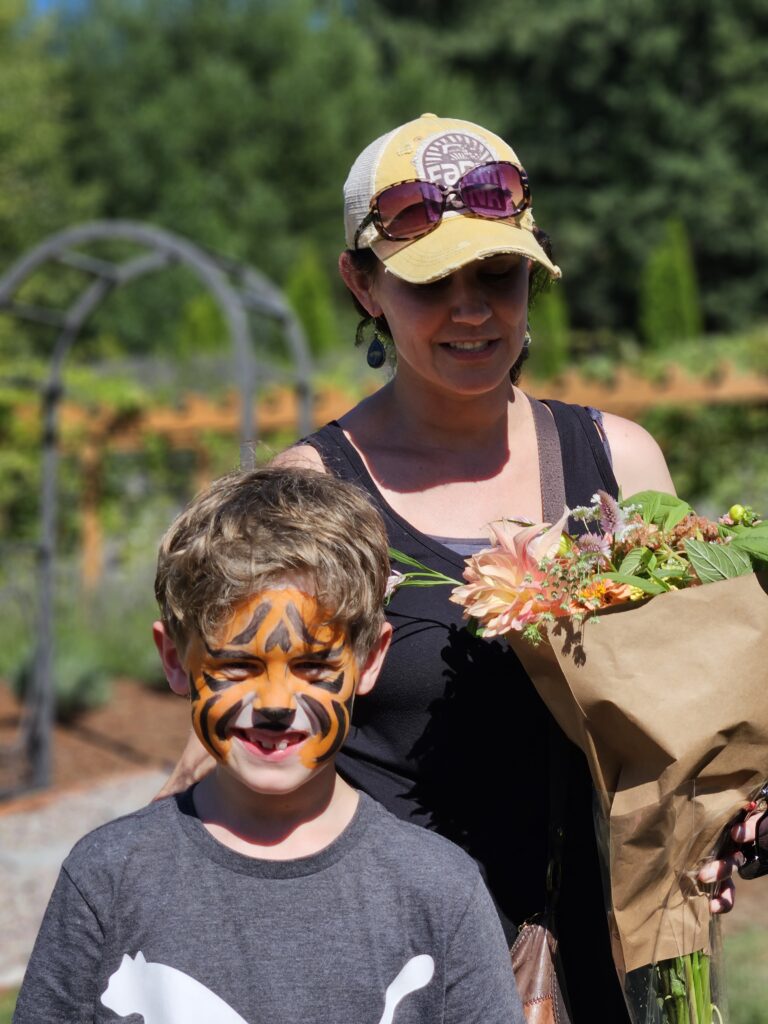
A resilient food system requires strong markets. Extension supports farmers markets, direct-to-consumer sales and online platforms connecting producers and buyers.
In 2015, Extension received a USDA Local Food Promotion Grant to launch Kitsap Fresh, a year-round online farmers market. What began as an Extension-supported effort has since evolved into a farmer-led cooperative, expanding market access while making it easier for residents to purchase locally grown goods.
Another example is Kitsap Farmers Fighting Hunger, a partnership between Extension, the Kitsap Conservation District and local farms.
“One recent example of the Farming & Food Systems program’s impact is the launch of Kitsap Farmers Fighting Hunger, a partnership between WSU Kitsap Extension, Kitsap Conservation District, and local farmers that responds to rising food insecurity while directly supporting farm viability,” Sappington said. “Created in response to the loss of state and federal funding, the initiative uses community donations to purchase fresh, locally grown food directly from Kitsap farms for distribution to area food banks. This model ensures farmers are fairly paid and have a reliable market, while neighbors in need gain access to high-quality, nutritious food. By keeping food dollars local, reducing waste, and strengthening relationships between farmers and hunger-relief organizations, the project demonstrates how collaborative, locally driven solutions can deliver both economic and environmental benefits for the community.”
The approach is simple but strategic: pay farmers fairly, supply food banks with fresh produce and keep food dollars local.
A Community-Based Approach
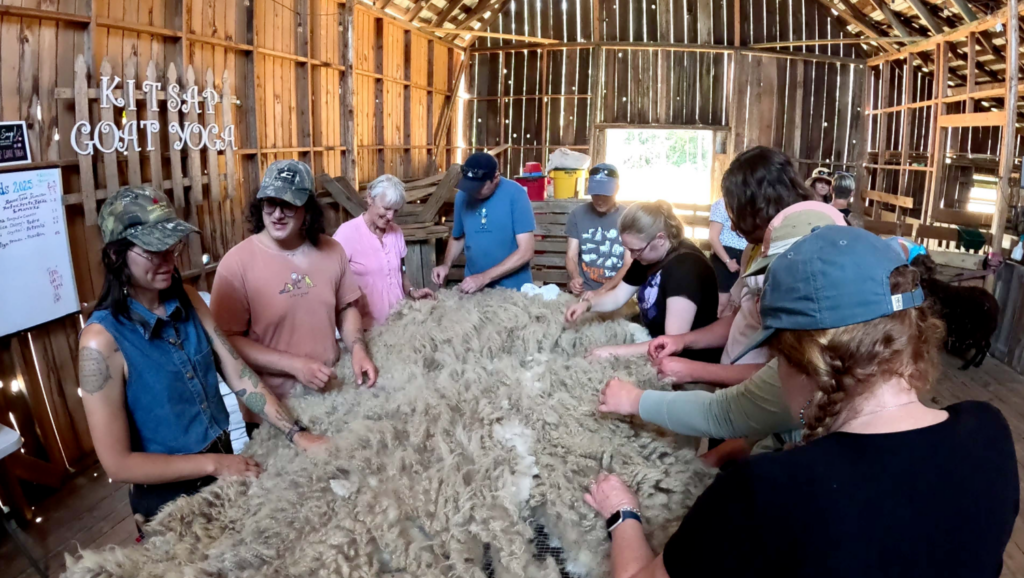
The Farming & Food Systems Program is one of several community-based initiatives under WSU Kitsap Extension, alongside 4-H Youth Development, the Master Gardener Program and the Water Stewardship Program.
“Many community members are often surprised by how much WSU Kitsap Extension offers locally,” Sappington said. “Extension works in all 39 counties across Washington State and with our tribal partners. While programs may look different from county to county, that flexibility is intentional – Extension is designed to respond directly to the unique needs of each community.”
Local government support makes that responsiveness possible.
“In Kitsap County, this work is made possible through strong support from our local county government, including investment in programming and meaningful partnerships across departments and agencies,” Sappington said. “Without that support, our community, and our farmers and food producers, would not have access to these services. We are truly grateful for the county’s continued partnership and commitment to community-based education in Kitsap.”
Growing a Resilient Future
The Farming & Food Systems Program illustrates that environmental stewardship, economic resilience and community health are interconnected.
By combining research-based education, individualized technical assistance, mentorship, market development and coalition-building, the program is cultivating a food system that is locally rooted and built for the long term.
In a county where farms are often measured in single digits of acreage, sustainability is less about scale and more about connection — to land, to neighbors and to the next generation. And through that connection, green business in Kitsap County is not just an idea. It is growing in fields, farm stands and farmers markets across the region.
Keep in touch with our news & offers
Subscribe to Our Newsletter
Thank you for subscribing to the newsletter.
Oops. Something went wrong. Please try again later.