How a Port Orchard church became a community gathering place
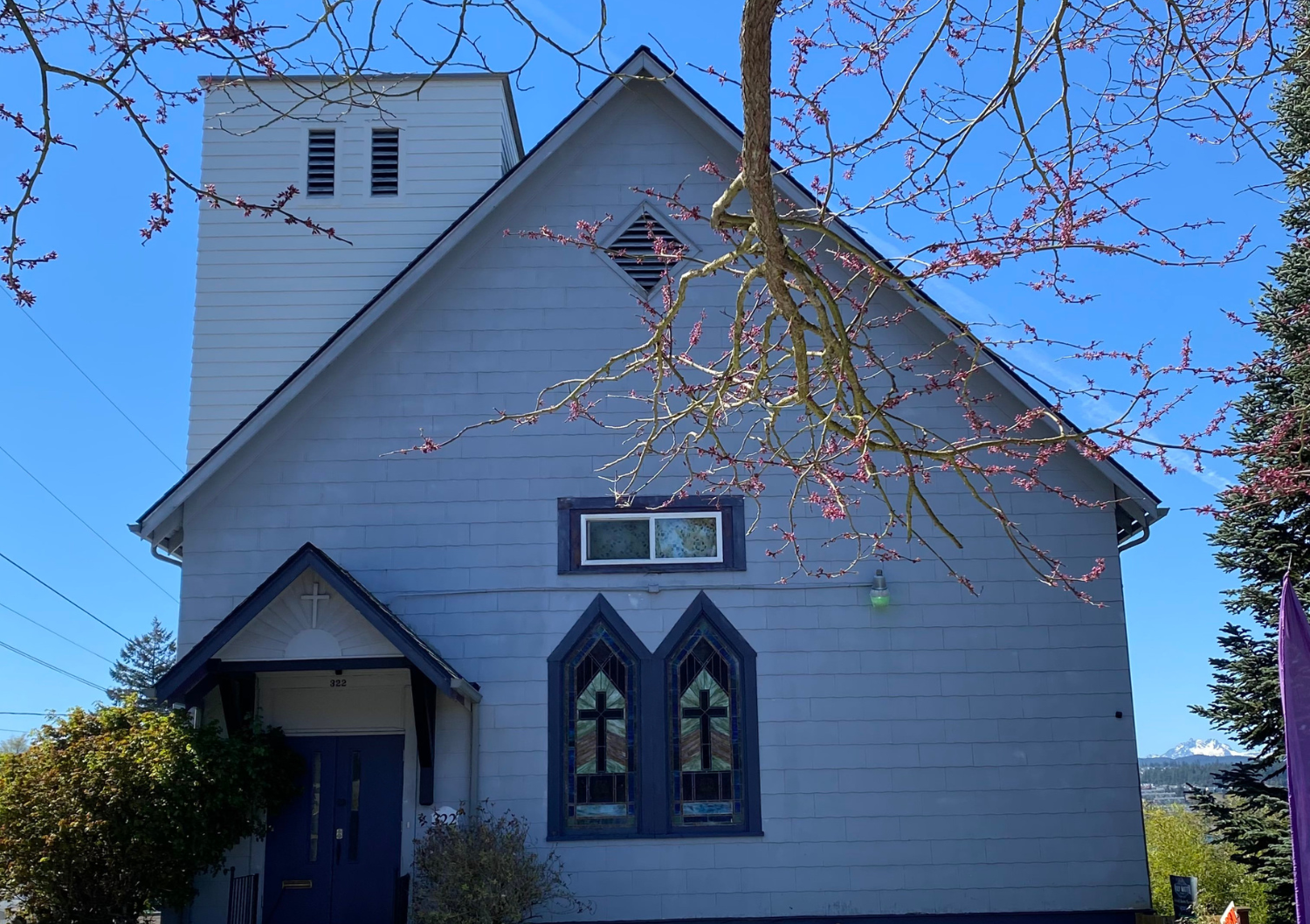
Inside a former church perched above Port Orchard, the glow of velvet greens and candlelit reds now replaces pews and hymnals—but the sense of sanctuary remains. At Holy Water, A Heavenly Lounge, owner Suanne Martin-Smith has traded sermons for a simpler guiding principle: create a space where everyone is welcome, as long as they treat each other with respect.
What began as a family home in a century-old building has evolved into one of the city’s most distinctive gathering places, where community, inclusion and a touch of irreverence are as central as the cocktails.
“My rule is no assholes,” she said with a laugh. “I don’t care what gender you are, how you identify, who you love—just don’t be an asshole. That’s the line.”
It sounds like a joke, but it’s not. In a town that has struggled to retain and attract small, independent hospitality businesses, Holy Water has become one of Port Orchard’s most distinctive destinations—a queer‑friendly, women‑forward bar and brunch spot that has built its business model around community, safety, and inclusion as much as cocktails and delicious food.
Holy Water is owned by Suanne and her partner of 21 years, Paul Robinson, the bar’s “main chef of the house.” Their daughter Lily Smith handles PR, event coordination, and ordering for the bar. Together, the three form what Suanne calls “the key players” behind Holy Water’s layered, experience‑driven concept.
From family home to hospitality concept
Holy Water’s story began long before it was a bar.
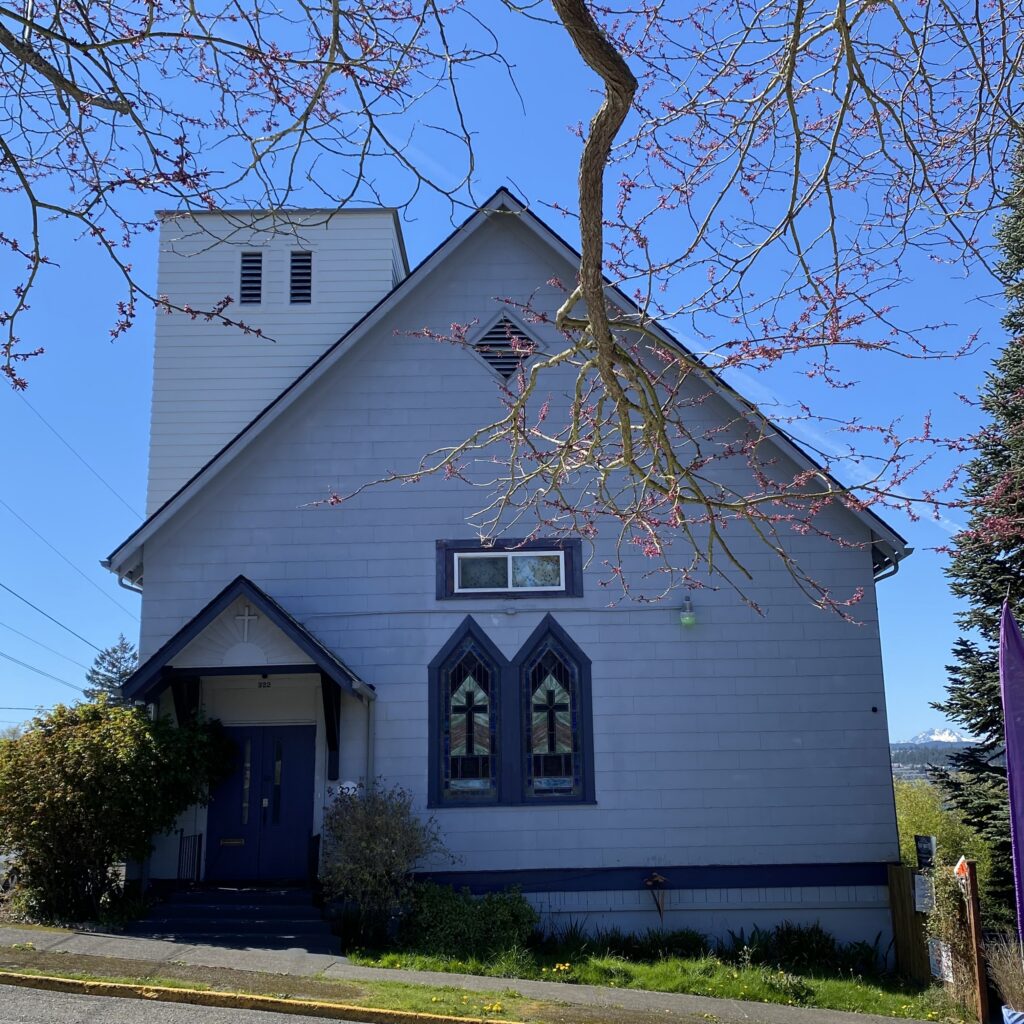
The building itself dated back to the late 1800s, when it served as a church on the hillside of Port Orchard overlooking the water. For decades, it remained an underutilized structure with character but little direction. That changed when Martin-Smith first saw it.
“I got full-body shivers,” she recalled of peering through the narrow windows one evening as the stained glass cast a colored cross of light across the floor. “I said, ‘We’re going to live here.’ It felt like a higher power telling me this was my space.”
At the time, Martin-Smith had been raising a blended family, working multiple jobs and drawing on a lifelong entrepreneurial instinct shaped by her upbringing.
“My mom worked at K2, my dad at the shipyard—we always hustled,” she said.
After months of persistence, she connected with the Seattle-based property owner. When a burst pipe threatened the building, she and Robinson stepped in to help—an act that ultimately led to an in-person meeting.
“I called him and said, ‘I’m the chick who just saved your building,’” she said. “He told me, ‘I’ll see you tomorrow.’”
What followed was an uncommon handshake agreement. The owner gave them the opportunity to lease—and eventually buy—the property, trusting their vision despite limited financial resources.
“We built an incredible home, and lived there for almost a decade,” she said.
In 2012, that vision became Homemade Café, a breakfast and lunch spot that doubled as both a business and a family anchor. For nine years, the café served the community while supporting Martin-Smith’s growing household.
“We made almost no money,” she said. “Our profit was about two thousand dollars a month. But it let us raise our kids and build a life.”
A turning point—and a new direction
Like many small businesses, Homemade Café faced mounting pressure during and after the COVID-19 pandemic. While it survived the initial shutdowns, the long-term strain proved unsustainable.
One difficult day became a turning point. That evening when she sat down to dinner with her family they noticed she was unusually quiet.
“They asked what was wrong,” she said. “I said, ‘I’m done. I don’t feel appreciated for how hard we’re working.’”
Homemade Café closed in 2021. But rather than walk away, Martin-Smith saw an opportunity to reimagine the space.
The initial concept—a wine bar—didn’t resonate with the local market. So she pivoted again, this time applying for a full liquor license. With much of the groundwork already in place, approval came quickly.
“I was the first bartender,” she said. “We built the bar, and we just kept growing a little at a time. Now we’re doing really well.”
Holy Water, A Heavenly Lounge officially opened in 2022.
Building an experience, not just a bar
From the beginning, Holy Water was designed to be more than a place to drink.
“We wanted the tenacity and creative vibe of New Orleans, without the sadness of a tsunami,” Martin-Smith said. “Creating vignettes, making it an experience.”
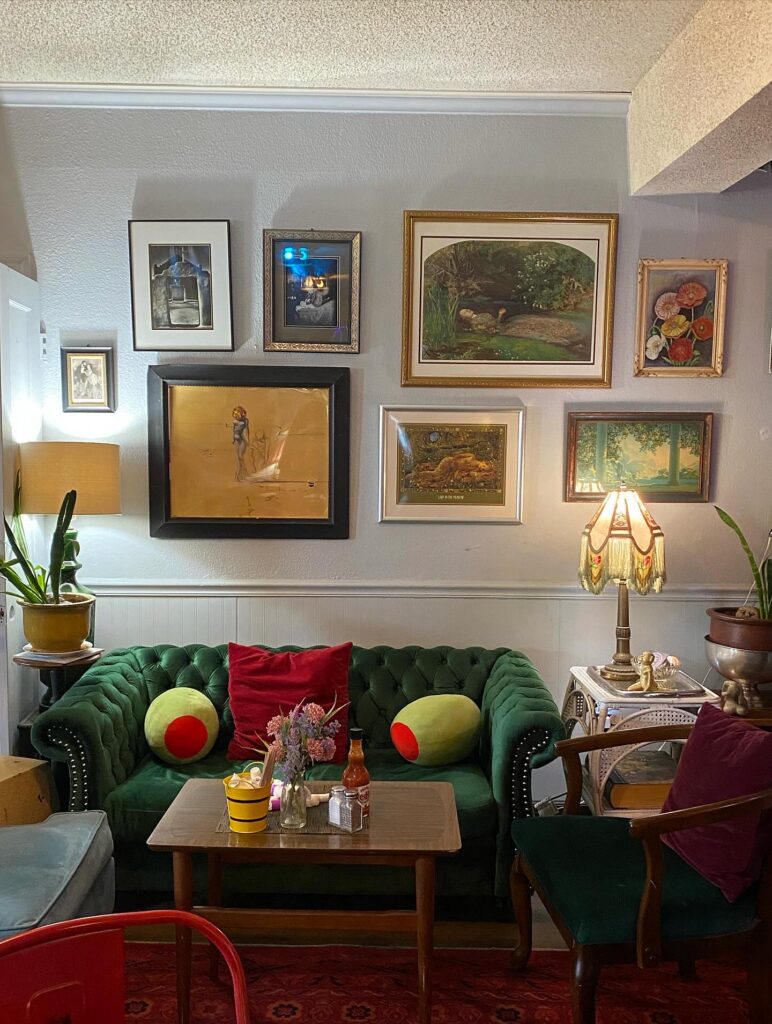
That philosophy was evident throughout the space. The interior was assembled largely from secondhand finds—Goodwill tables, estate sale pieces and locally sourced décor—each contributing to a layered, lived-in aesthetic.
A former storage room had been transformed into the “Divine Room,” now used for private events. A small boutique area where you wait for the bathrooms, called Purgatory, offers refurbished clothing and accessories alongside branded merchandise.
“People want a piece of Holy Water,” she said.
Even the bathrooms reflect the bar’s personality. Instead of traditional gender labels, guests chose between “Saint” and “Sinner.”
“When you own a church, honey, you have to have a little fun,” she said.
The result was a space that feels intentional but not overly polished—equal parts theatrical and comfortable, with an emphasis on atmosphere.
A kitchen-first approach
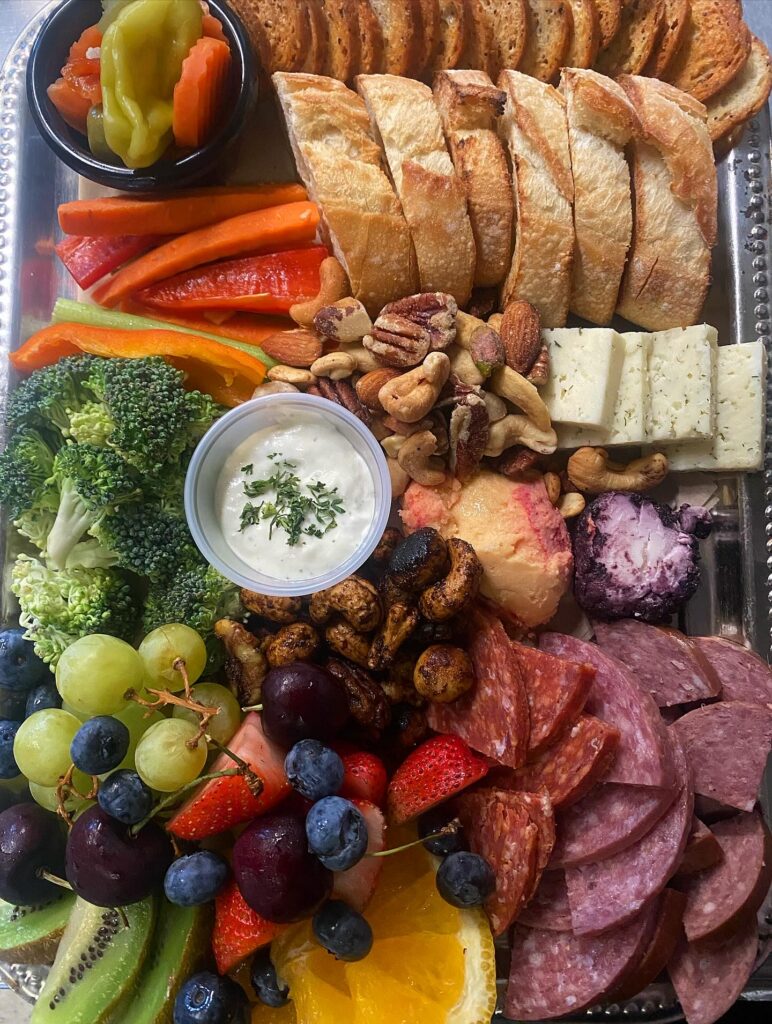
Despite its identity as a cocktail lounge, Holy Water places significant emphasis on its food program.
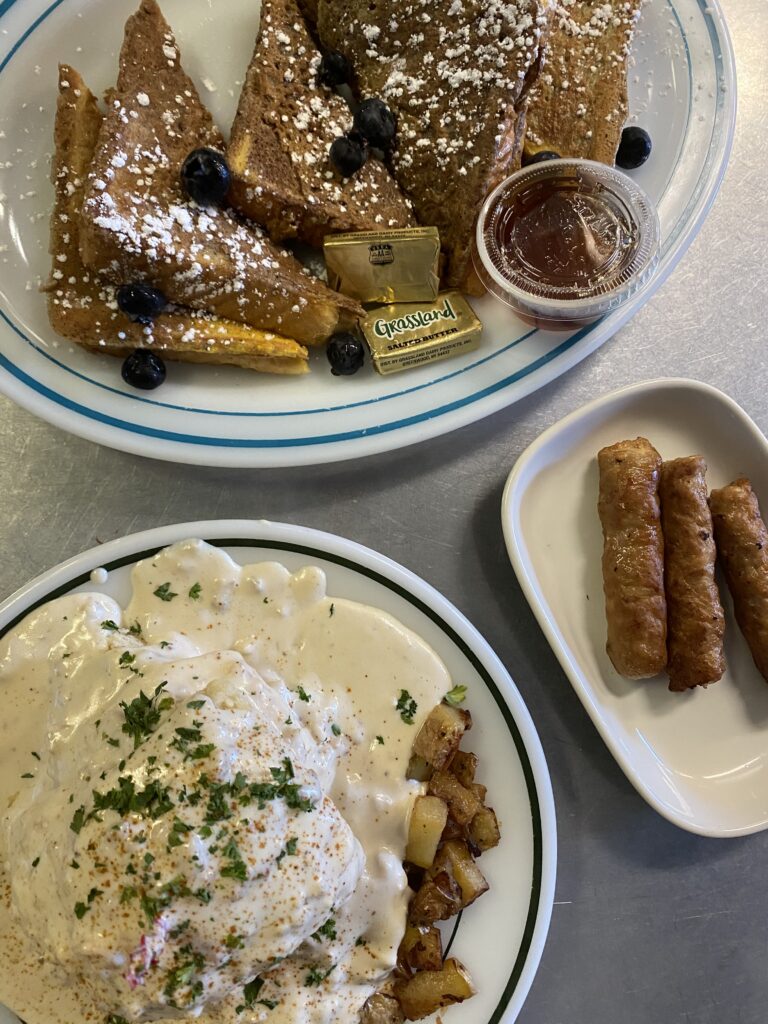
Robinson, whom Martin-Smith calls the “main chef of the house,” oversees the menu that includes brunch through early afternoon and tapas-style offerings in the evening.
“We make all our gravies, cook our own corned beef, make our own meatloaf,” she said. “We don’t bake our own bread, but we use artisan sourdough—higher quality, no high fructose corn syrup.”
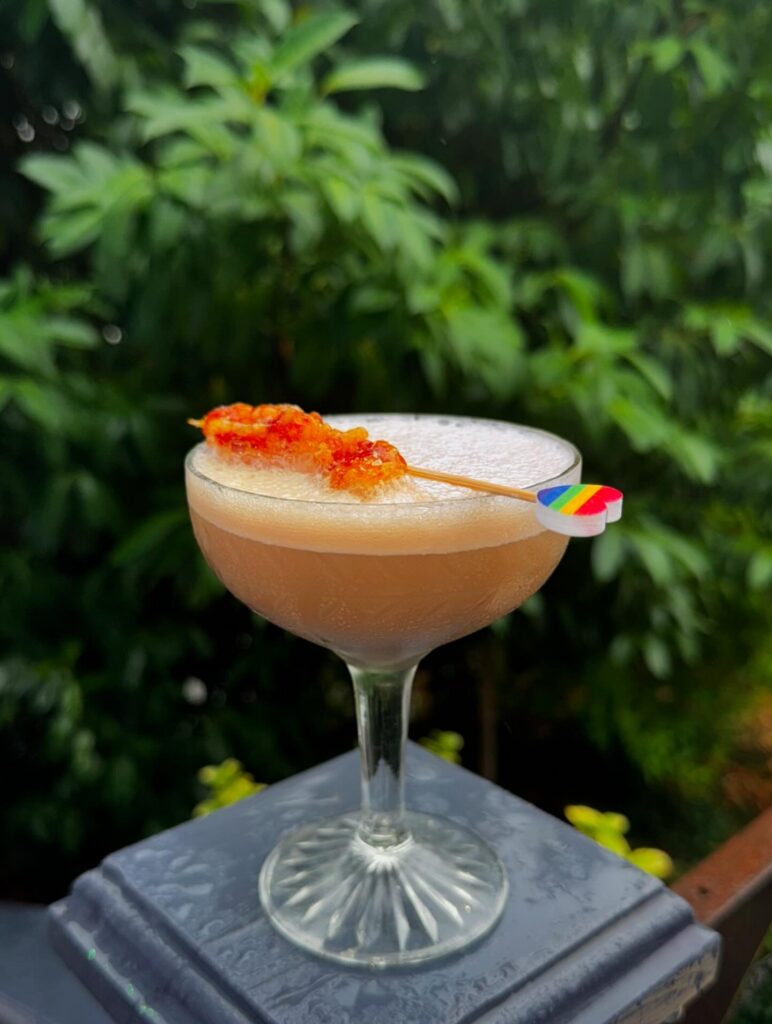
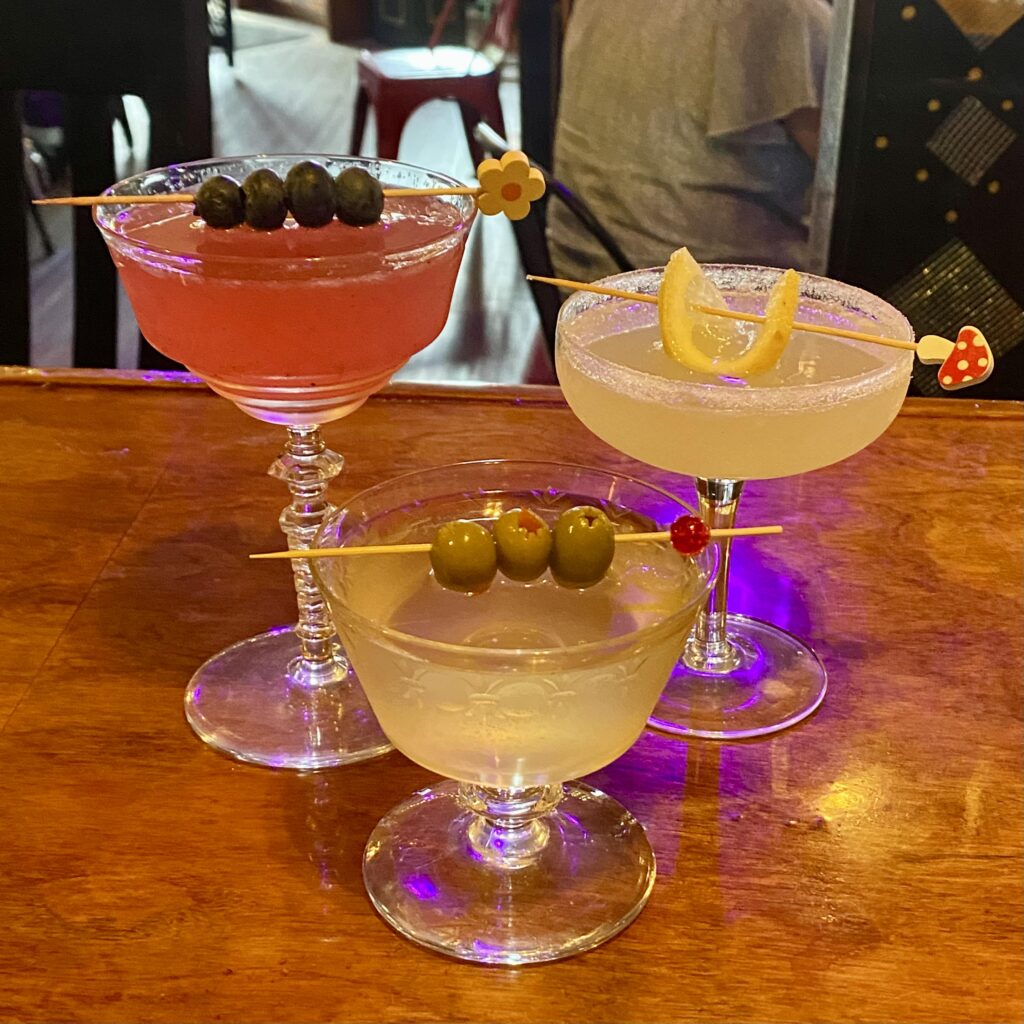
That attention to ingredients extends behind the bar as well. Cocktails are built with house-made syrups and fresh fruit, and high fructose corn syrup is intentionally excluded.
“We handcraft everything,” she said. “Mimosas are huge here for brunch.”
The emphasis is on quality and consistency rather than volume—an approach that aligns with the lounge’s smaller footprint and curated feel.
Growing people along with the business
If Holy Water has a defining strength, it may be its approach to team-building.
Martin-Smith hires with an eye toward potential, often bringing on employees who are new to the industry.
“I hire a lot of green people,” she said. “I love watching them grow.”
That philosophy extends to how roles are earned. Everyone starts as a server, with bartending seen as a progression rather than an entry point.
“My dad always said, ‘The cream will rise to the top,’” she said. “We really believe that.”
The business operates on a tip-share model that includes both front- and back-of-house staff, reinforcing a team-first mentality.
“You can’t do your job out front if you don’t have the back,” she said. “We’re one team.”
Her leadership style blends directness with mentorship.
“I don’t yell at my team,” she said. “If something’s not right, I communicate. I’m a mom.”
That approach helps create a workplace culture where employees feel supported not just professionally, but personally.
Second chances and lasting impact
For Martin-Smith, building a business has always been about more than revenue.
She believes in giving people opportunities—even when they might not fit a traditional mold. She recalls one employee’s interview when giving a chance paid off for both the business and the individual.
“He told me he gets nervous being too close to people he doesn’t know, and I was right up in his face because it was loud,” she said. “I backed way off and said, ‘I’m so sorry.’ That honesty took courage, so I gave him a chance.”
Over time, she watched that employee grow into a key member of the team.
Moments like that, she said, define what Holy Water stands for.
The same philosophy extends beyond staff. The space has become a gathering place for connection—whether through events, casual nights out or staff game nights.
“If you have a goal and you share it with us—going back to school, getting custody of your kid, getting a promotion somewhere else—we’re going to help you get there,” she said. “If that means throwing you a going-away party when you move on, we will. We’re devastated, but we’re proud.”
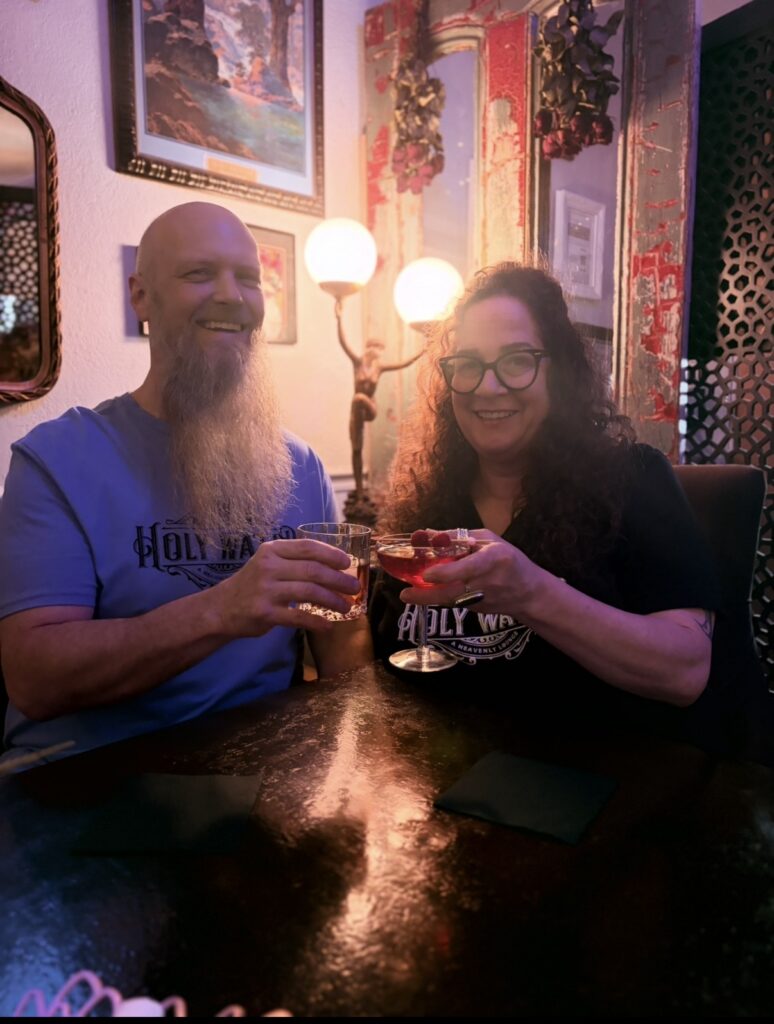
A space with history—and purpose
More than a century after it was first built, the church that houses Holy Water continues to serve its community—just in a different way.
“It was a great place to raise our family,” Martin-Smith said. “And I felt that because, you know, churches—it’s a place of celebration, even if someone’s life has come to an end. It’s a celebration of life. And you think of all that positivity, and I think old buildings have good vibes.”
That sense of continuity—honoring the past while creating something new—runs through every aspect of the business.
Holy Water stands as a reflection of its owners’ resilience, creativity and belief in people. It is a place where cocktails are handcrafted, décor is curated and community is intentional.
In a competitive and often unpredictable hospitality landscape, that combination has proven to be more than enough.
It has turned a former church into something rare: a business built not just on service, but on belonging.
Keep in touch with our news & offers
Subscribe to Our Newsletter
Thank you for subscribing to the newsletter.
Oops. Something went wrong. Please try again later.