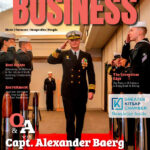
Naval Base Kitsap Commanding Officer Capt. Alexander Baerg discusses the installation’s role in Kitsap County’s economy, workforce and community. He also shares his vision for modernization, local partnerships and the future of one of the nation’s most strategically important naval installations.
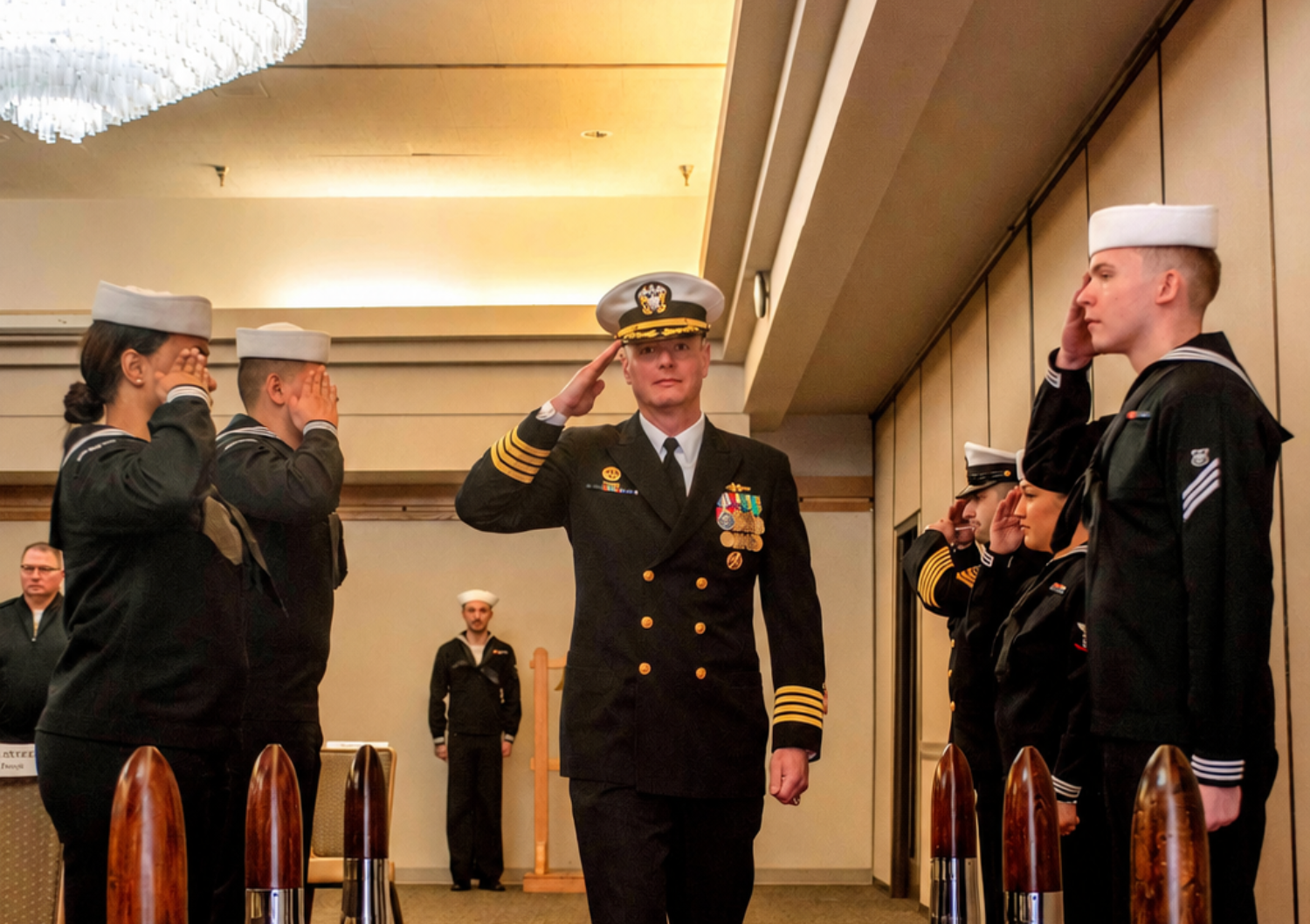
As Commanding Officer of Naval Base Kitsap, Capt. Alexander Baerg oversees one of the nation’s largest and most strategically significant naval installations. Home to more than 80 Navy commands and supporting more than 40,000 military personnel, civilian employees and contractors, Naval Base Kitsap plays a vital role not only in national defense but also in the economic vitality of Kitsap County.
A Washington native who returned home after a 26-year career in the submarine force, Baerg shares his vision for the future of the installation, the importance of partnerships with local businesses and communities, workforce development, major modernization efforts, and the leadership philosophy guiding one of the region’s most influential organizations.
Please tell our readers a little bit about yourself.
I am a proud Washington native, having grown up in Everett. My desire to serve led me to the U.S. Naval Academy in Annapolis. Though I originally had a strong interest in aviation, I ultimately selected the submarine community due to its shorter initial service commitment. Ironically, that “short commitment” turned into a fulfilling 26-year journey—and counting!
Throughout my career, I’ve had the distinct privilege of serving on every type of submarine in the fleet. That path has required my family and me to live all over the United States, moving more than a dozen times. However, taking command of Naval Base Kitsap (NBK) in February of this year has been a true homecoming. This region is where I met my wife, where we were married, and where two of our three children were born. After traversing the country for decades, returning here to serve both our fleet and the local community that means so much to my family is an absolute honor.
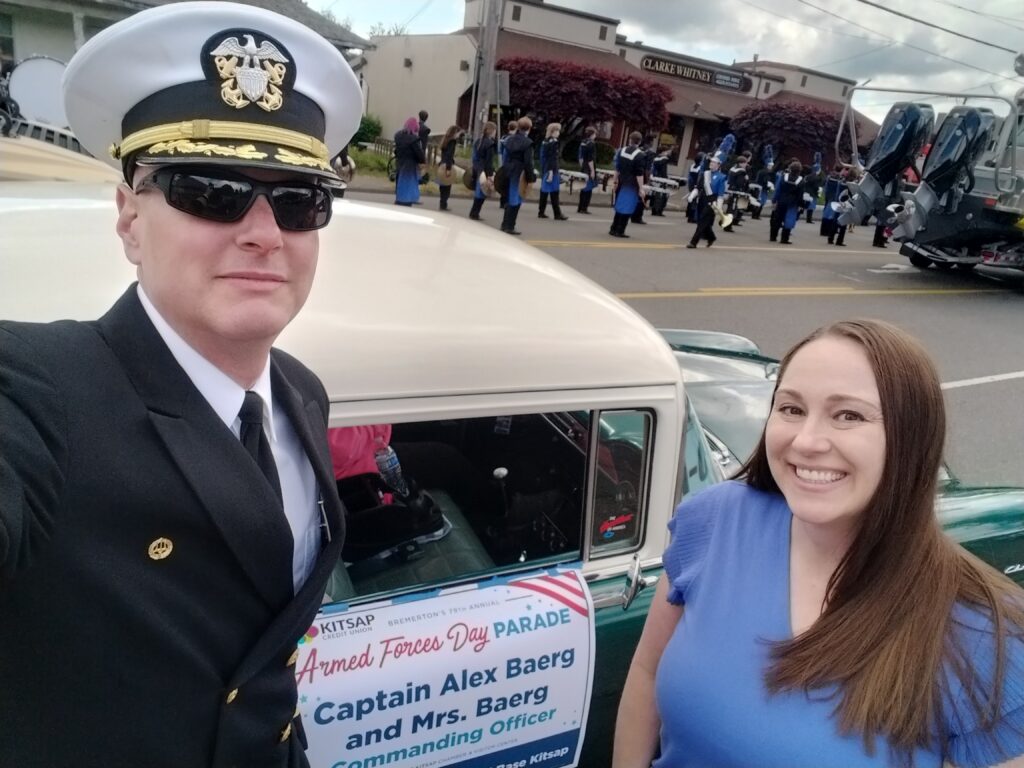
Please tell our readers about Naval Base Kitsap.
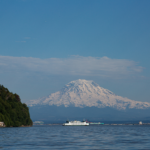
Naval Base Kitsap (NBK) was established in 2004 when Naval Station Bremerton and Naval Submarine Base Bangor were combined into a single installation. While the installation headquarters sits in Bremerton, NBK actually spans more than 11,000 geographically dispersed acres and more than 170 miles of waterfront across Kitsap, Mason and Jefferson Counties.
NBK is home to over 80 separate Navy commands, including:
- Navy Region Northwest, which provides oversight and support to Navy bases and activities across 11 states, from Alaska to Oregon and eastward to Minnesota and Iowa
- Eight ballistic missile submarines assigned under the command of Submarine Group Nine, a cornerstone of our nation’s strategic deterrent.
- Two aircraft carriers: USS Ronald Reagan (CVN-76), and in the near future we are anticipating USS Abraham Lincoln (CVN-72) coming to call NBK home
- Numerous fast-attack submarines, including the nation’s only large-volume research and development submarine
- Puget Sound Naval Shipyard & Intermediate Maintenance Facility (PSNS & IMF), our region’s premier maintenance and modernization facility, and one of only four public ship yards in the United States
- Naval Undersea Warfare Center (NUWC) Division Keyport, which sustains current undersea warfare technology and explores new capabilities for the future
We’re proud to support over 40,000 military personnel, civilian employees, and contractors that serve at the commands onboard NBK. This includes approximately 15,000 Sailors and Marines, one of the largest concentrations of U.S. Navy personnel on the West Coast.
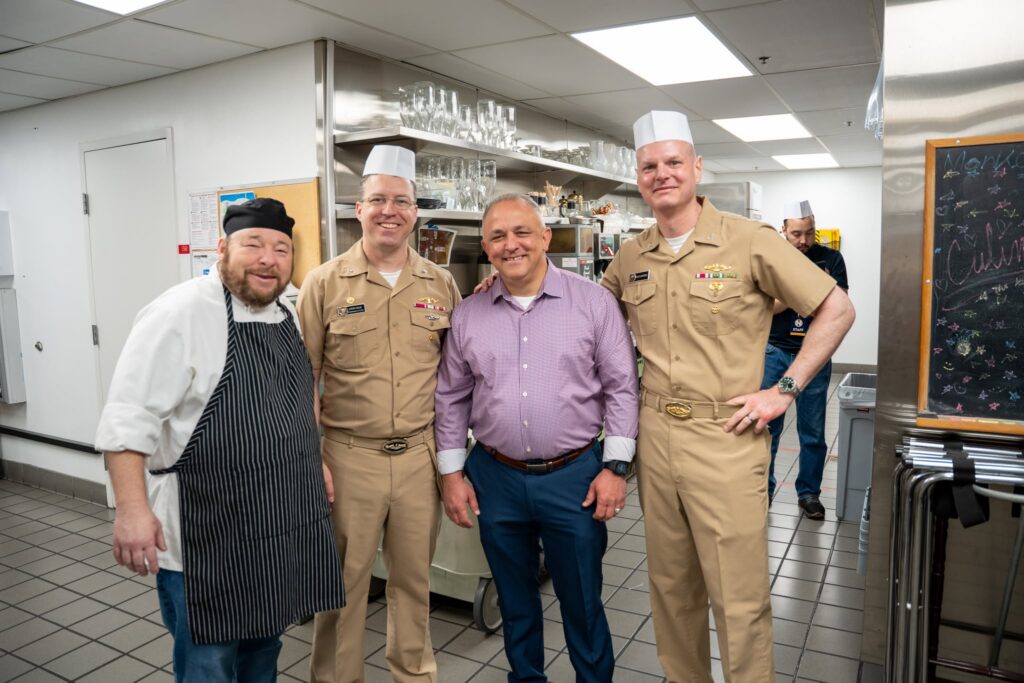
NBK has a significant impact on the Kitsap region—economically, socially, and environmentally. How would you describe the base’s current relationship with surrounding communities, and where do you see room for improvement?
Our relationship with Kitsap County’s communities is fundamentally strong, built on mutual respect and shared prosperity. The success of this installation is inseparable from the health and prosperity of our surrounding communities. Our civilian employees, active-duty service members, and their families are deeply integrated into local schools, volunteer organizations, and civic activities. Both the base itself and other local commands maintain active partnerships with local governments, school districts, and community organizations.
While our foundation is solid, any successful relationship requires continuous commitment and effort. I see a few key areas where we can continue to strengthen this vital relationship:
- Infrastructure coordination: Working closely with county and municipal planners on transportation and utility improvements to proactively address the impacts of regional growth.
- Workforce development: Expanding partnerships with local educational institutions to create seamless pathways between military service and civilian careers in the region.
- Environmental collaboration: Enhancing joint efforts on Puget Sound restoration and other regional conservation initiatives.
- Communication: Maintaining open, regular dialogue about base operations and their potential impacts on the surrounding community.
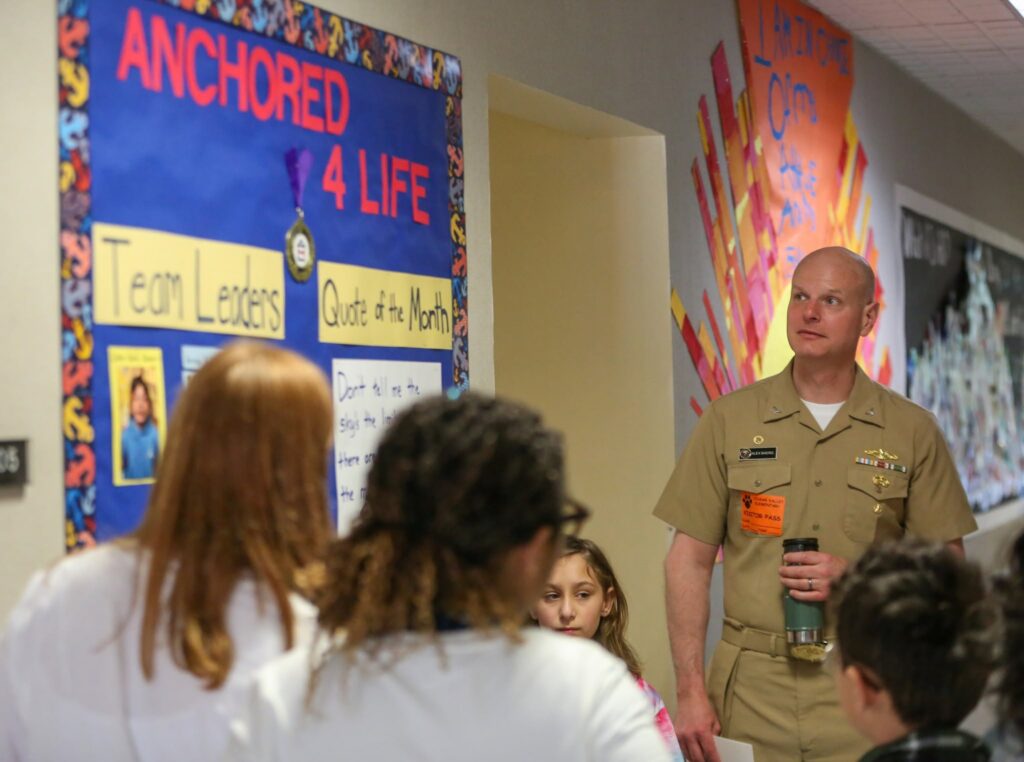
What role does the base play in workforce development and opportunities for civilians in the area?
Our federal civilian workforce is the backbone of everything we do and developing that talent is a national security imperative. Civilians serve in a vast array of vital roles across NBK and our 80+ tenant commands, from highly skilled industrial trades and engineering to complex program management and administrative support.
We don’t just hire for jobs; we build lifelong careers in public service. First, our largest commands operate with predominantly civilian teams, and they customize their own advanced training programs to match the precise, cutting-edge skills their employees need to excel. Second, we provide comprehensive skills and leadership training throughout the year to ensure our civilian team members grow alongside their military counterparts. Finally, we are actively out in the community at regional job fairs and hiring events to show local residents the incredible benefits, stability, and purpose that come with a career in federal service.
Ultimately, we want local talent to know that their work here keeps our fleet ready and our nation safe, while also building generational stability and prosperity for their families.
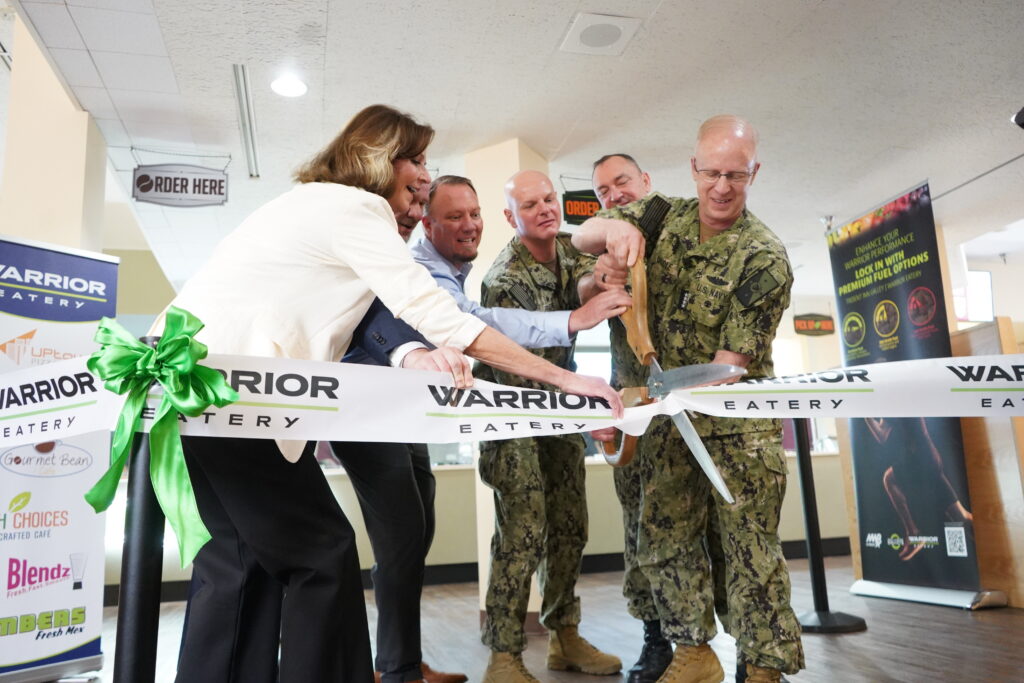
What do you hope local businesses and community members understand about the Navy’s role here in Kitsap County and the broader region?
As we celebrate our nation’s 250th anniversary, we want our neighbors to know that Kitsap County sits at the very heart of Naval Base Kitsap’s maritime story.
First, Navy Region Northwest has an immediate global impact. The work done across NBK, Naval Air Station Whidbey Island, and Naval Station Everett ensures that our Navy remains the world’s most combat-credible fighting force, capable of maintaining peace through strength.
Second, our operational success is completely reliant on the health of our civilian neighbors. The Navy is deeply woven into the fabric of Kitsap County. Our personnel don’t just work here—we live here, our kids go to school here, and we volunteer in your neighborhoods.
Finally, the challenges that come with regional growth are shared between the Navy and the greater community, which means we have an immense opportunity to grow responsibly and sustainably together. By revitalizing our defense industrial base with long-term programs like shipyard optimization, we are building a resilient, highly skilled region that lifts up both the Navy’s mission readiness and the community’s economic vitality.
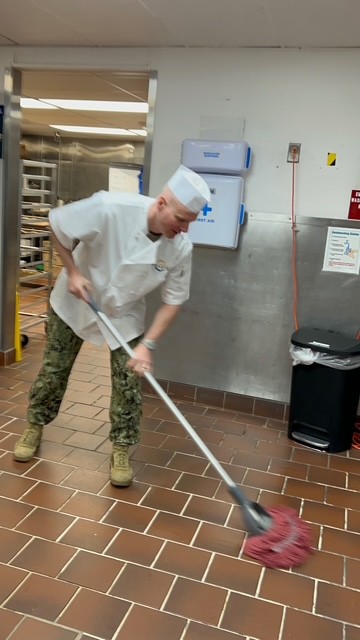
What do you believe are the biggest opportunities ahead for Naval Base Kitsap over the next several years?
Our biggest opportunities lie in modernization and preparation for the future fleet. First and foremost is supporting the generational upgrades to our infrastructure, particularly with the multi-mission dry dock at PSNS & IMF. Modernizing our critical maintenance facilities ensures we can sustain the Navy’s fleet for decades to come.
Additionally, we are preparing our footprint to integrate new platforms. Alongside welcoming the Nimitz-class aircraft carrier USS Abraham Lincoln in the near future, we are actively laying the groundwork for the eventual arrival of Ford-class carriers at NBK-Bremerton. We are also preparing for the homeporting of Virginia-class and Columbia-class submarines at NBK-Bangor. Ensuring our shore infrastructure is ready for these next-generation assets is vital to maintaining our role in national defense and the strategic deterrence mission.
Finally, our operational growth presents an incredible opportunity to deepen our integration with Kitsap County. As we modernize the installation, we have a unique chance to work hand-in-hand with local businesses, educational institutions, municipal partners, and civic leaders to tackle shared challenges such as transportation, infrastructure, and housing. By treating these as shared local opportunities, we can help build a resilient, highly-skilled regional workforce that benefits both the Navy’s mission readiness and the economic prosperity of surrounding communities.
Leadership is central to your role. What leadership principles guide your approach, and what qualities do you believe make an effective leader?
My approach to leadership is rooted in a simple principle: I strongly believe in the good in people. The overwhelming majority of people want to come to work and do the absolute best they can, and a leader’s job is to facilitate that goal.
With an installation as vast and diverse as Naval Base Kitsap, no single person can oversee every detail. That is why I rely heavily on empowering the teams around me. An effective leader must be an active listener who trusts their personnel to execute. My role is to provide the strategic vision, remove obstacles, and then trust the expert leaders I’ve empowered to step up and meet our critical mission demands every single day.
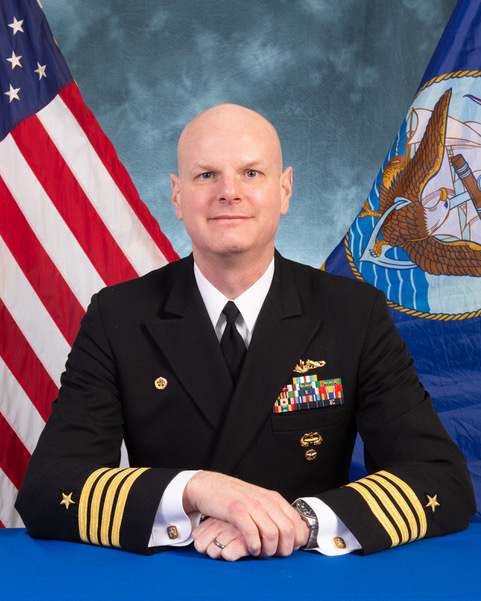
Are there any standout partnerships or collaborations with Kitsap County institutions—such as schools, nonprofits, or businesses—that you’re particularly proud of?
I’m incredibly proud of the partnerships my team has built with local jurisdictions on critical planning initiatives. One example is the Joint Land Use Study, a document collaboratively developed with local governments to ensure compatible land use around the installation, addressing key areas like transportation access, shared infrastructure, and shoreline activities.
Another standout effort is the Joint Compatibility Transportation Plan (JCTP). Recently completed by the City of Bremerton and funded by the Department of War, this plan was designed to strategically inform future growth decisions within the context of Navy mission readiness.
Furthermore, Naval Facilities Engineering Systems Command (NAVFAC) Northwest has been strengthening its relationship with the Kitsap Economic Development Alliance (KEDA) as we get closer to breaking ground on the multi-mission dry dock. By educating businesses on military contracting processes and identifying local resources that meet the Navy’s needs, we are directly connecting our mission to local economic growth. These collaborative efforts underscore our dedication to being a good neighbor.
What are your top priorities during your tenure as Commanding Officer of NBK?
My primary objective is to align the staff at Naval Base Kitsap to ensure maximum delivery of fleet focused outcomes. Given the massive footprint and diverse nature of this installation, our organization must be agile and precisely aligned.
Building a highly efficient staff structure is essential for delivering our two non-negotiable core missions: ensuring the absolute safety and security of the base and providing the highest possible quality of life services for our personnel and their families. Whether it is enhancing housing, dining, and recreational support, or refining our security posture, my priority is creating a streamlined command structure that reliably supports everyone who lives and works here.
What motivates you every day in this role?
After more than two decades of solving highly technical, submarine-centric problems at sea, the sheer scale and diversity of the challenges here on the shore are incredibly motivating. Running an installation like NBK isn’t just about base operations—it’s about managing a massive, interconnected ecosystem of security, logistics, infrastructure, and community relations. What gets me out of bed every morning is the knowledge that the decisions we make today have an immediate, tangible impact. We aren’t just keeping the fleet combat-ready; we are directly improving the daily lives of our Sailors and Marines, supporting our thousands of civilian employees, and strengthening the vital bond between the Navy and our Kitsap neighbors.
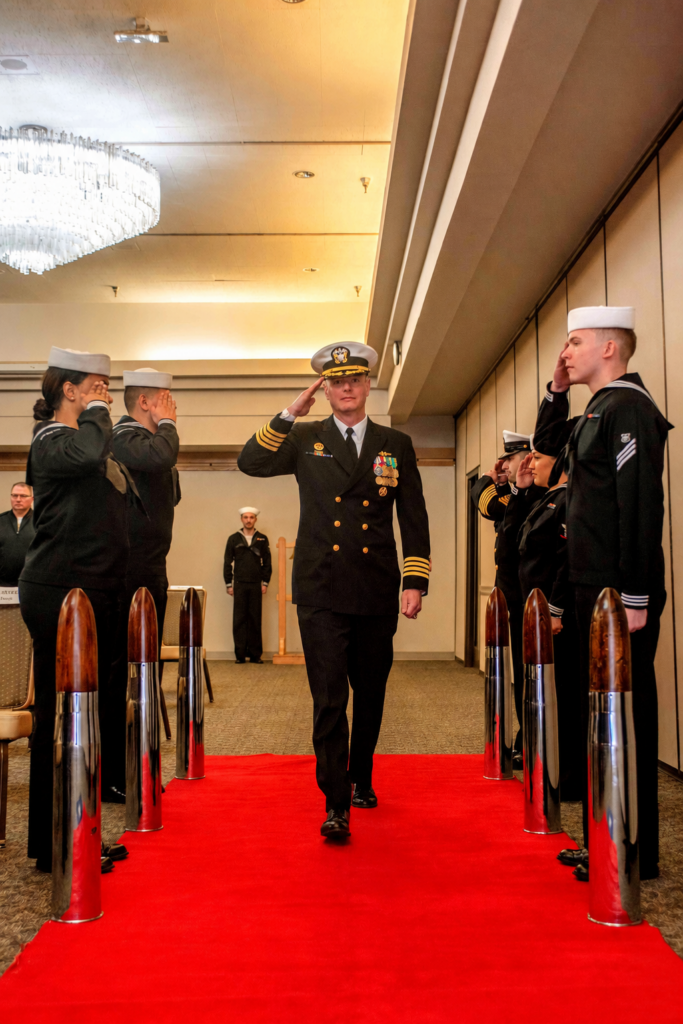
What are your long-term goals for NBK, and what legacy would you like to leave behind?
Commanding an installation of this magnitude is a relay race, not a sprint. Many of the complex challenges we are tackling—and the massive modernization projects we are beginning today—will take years or even decades to fully realize. My long-term goal is to run my leg of this race as effectively as possible, ensuring NBK is firmly postured in its infrastructure, security, and personnel to support the Navy’s next-generation platforms, from Columbia-class submarines to Ford-class carriers.
Because my time in command is just one chapter in this installation’s long history, my focus is on how I hand off the baton to the next leader. I want to leave behind an installation that is functionally stronger, more agile, and more deeply connected to the Kitsap community than when I arrived. I hope to be remembered as a commander who removed barriers for my team, fiercely advocated for our Sailors, Marines and their families, and proved that the Navy and Kitsap County are strongest when we navigate the long game together.
Keep in touch with our news & offers
Subscribe to Our Newsletter
Thank you for subscribing to the newsletter.
Oops. Something went wrong. Please try again later.