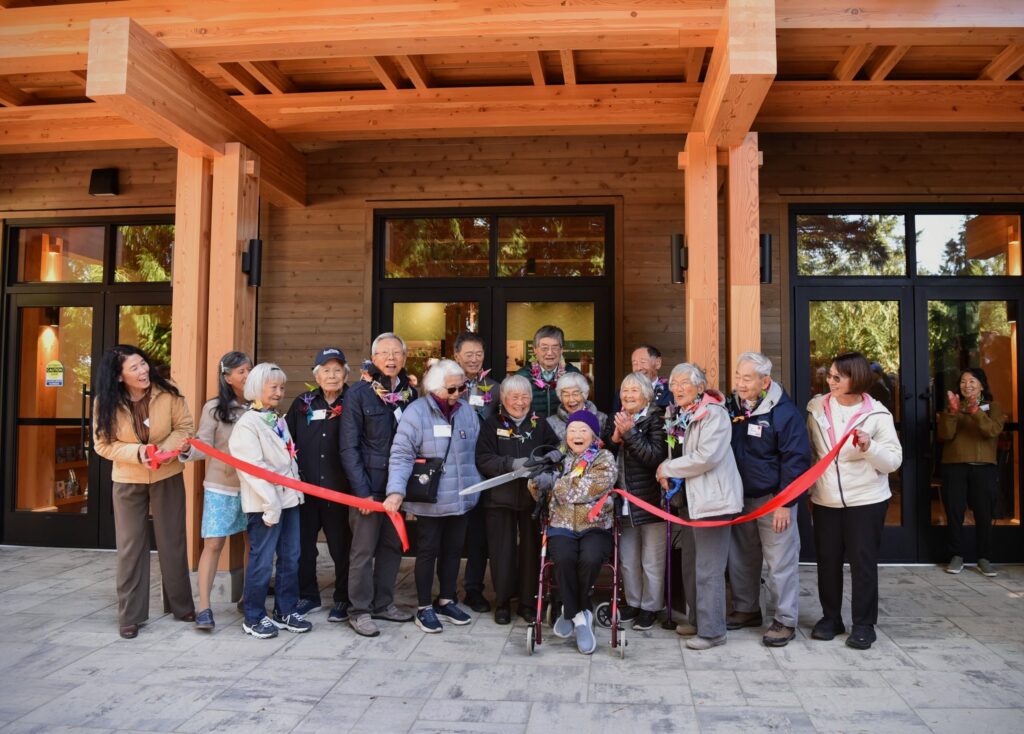
The opening of a new visitor center at the Bainbridge Island Japanese American Exclusion Memorial marks a milestone for an organization dedicated to preserving a painful chapter of American history and sharing its lessons with future generations.
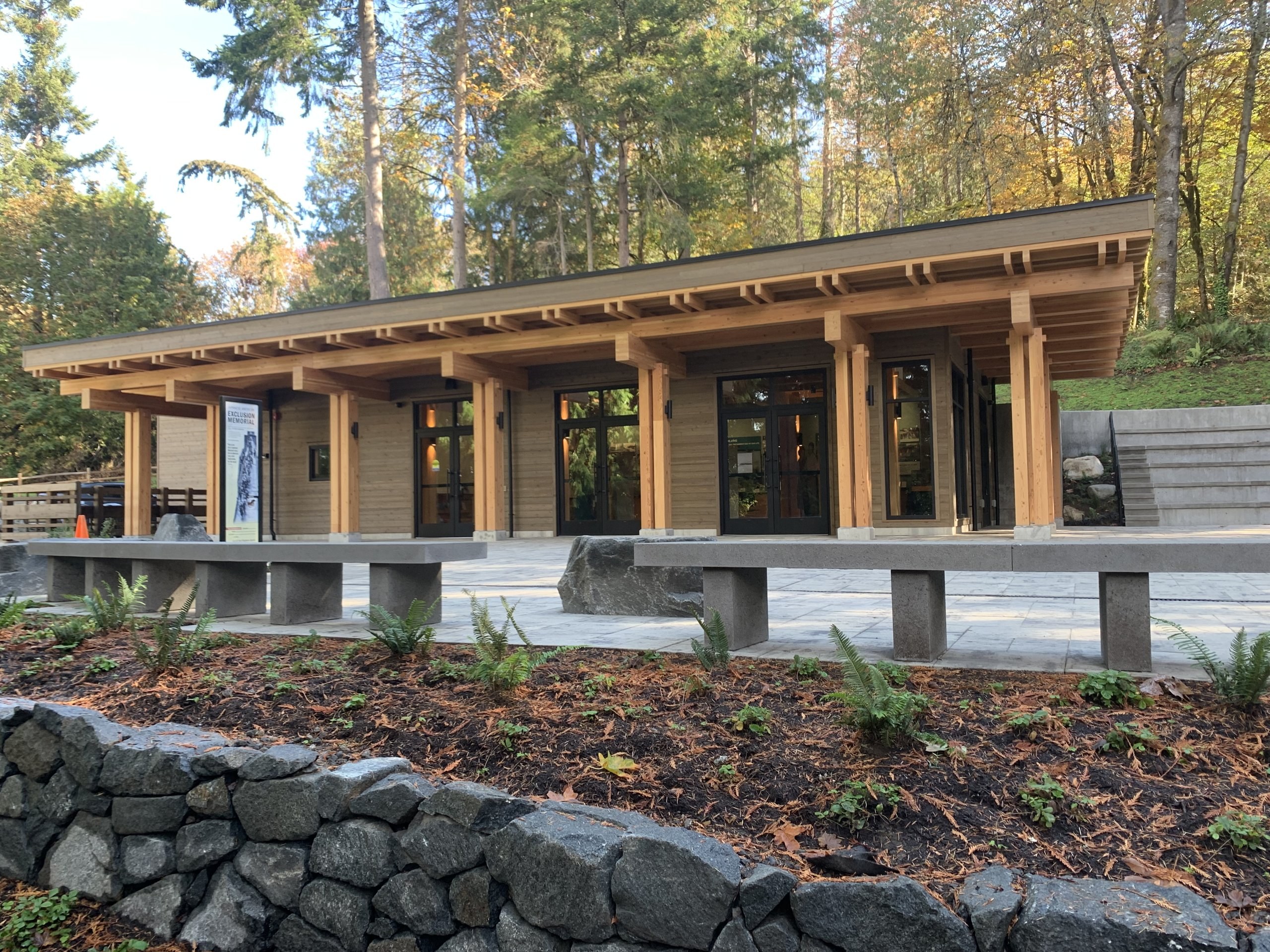
Dedicated in October at Pritchard Park, the center provides a new space for visitors to explore the forced removal of Japanese Americans from Bainbridge Island during World War II. Its completion also represents more than two decades of community effort, fundraising and collaboration.
For the Bainbridge Island Japanese American Exclusion Memorial Association or BIJAEMA, which oversees the memorial’s interpretation, educational programming and visitor center operations, the opening marks both the completion of a long-term project and the beginning of a new phase of work.
“The Bainbridge Island Japanese American Exclusion Memorial marks the historic site where 276 Japanese Americans were forcibly removed from their homes on March 30, 1942, becoming the first community subjected to exclusion under Executive Order 9066 during WWII,” said Ellen Sato, the association’s executive director.
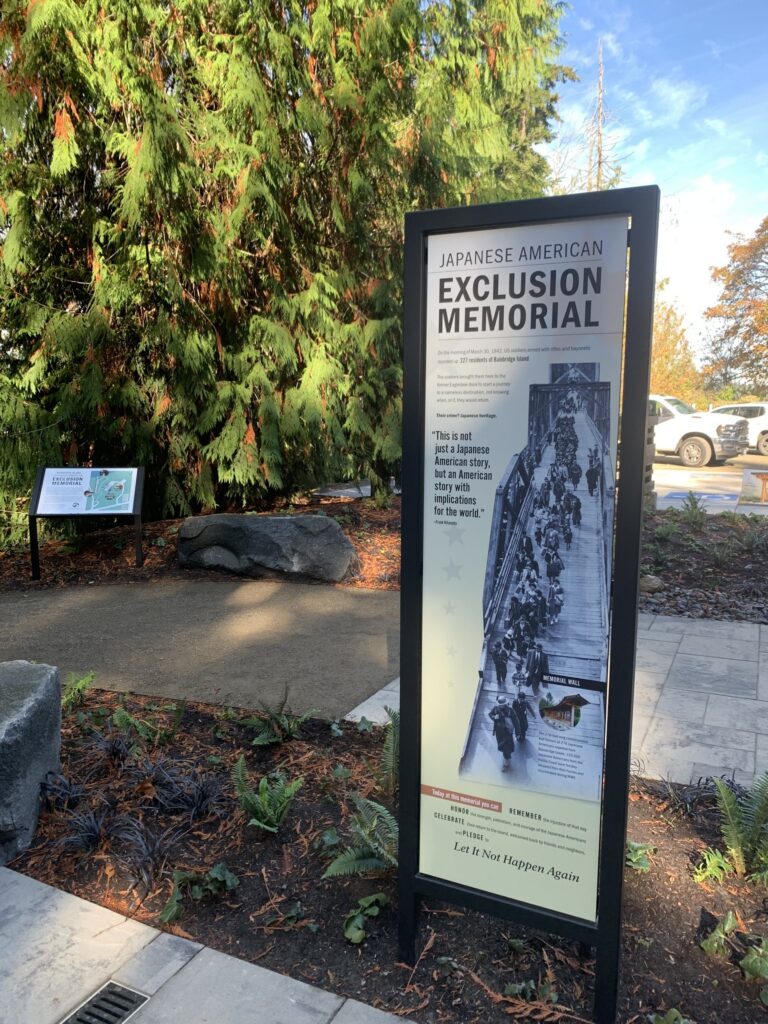
The memorial stands at the former Eagledale ferry dock, where the first group of Japanese Americans forcibly removed under the order departed for incarceration. Their lives and livelihoods were upended because of their Japanese ancestry.
The memorial honors those who were exiled, as well as the friends and neighbors who stood by them and welcomed them home. Its mission extends beyond preserving the historical record to creating a place for reflection, healing and education.
“Its mission is to provide a place of healing and learning, where the stories of the incarceration are preserved and the lessons about civil liberties, human rights, and the consequences of discrimination are shared with future generations,” Sato said.
The memorial’s guiding principle, Nidoto Nai Yoni — Let It Not Happen Again — captures the purpose behind that work.
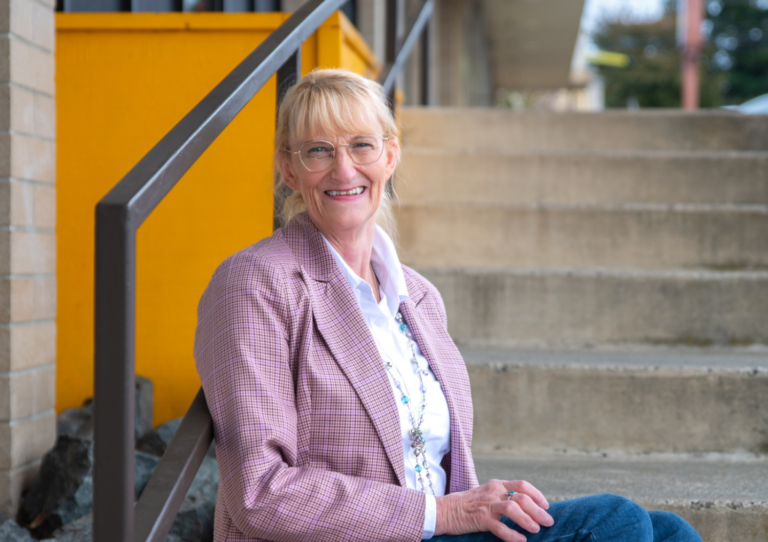
For Sato, the history is personal. Both sides of her family were incarcerated during World War II. Her connection to the survivors and their stories inspired her involvement in the organization.
“My connection to this history is personal. Both sides of my family were incarcerated during World War II, and my father was a survivor,” Sato said. “I’m not a nonprofit professional by career, but I developed a connection with the Bainbridge Island survivors and enormous respect for their courage and willingness to share their painful history so openly. I wanted to help bring to completion a project they and so many others had worked toward for more than two decades.”
Sato became executive director in 2022. She led the capital campaign and development of the visitor center, working with the association’s board, community partners, donors, architects and contractors. Her responsibilities now include overseeing operations, educational programming and the organization’s long-term sustainability.
A history rooted in community
On March 30, 1942, 276 Japanese Americans were removed from their Bainbridge Island homes and transported from the Eagledale ferry dock. They were the first community subjected to exclusion under Executive Order 9066, which authorized the forced removal of people of Japanese ancestry from designated areas during the war.
Two-thirds of those removed from Bainbridge Island were American citizens, Sato said. Their experiences illustrate the consequences of discrimination and the vulnerability of civil liberties during periods of fear and prejudice.
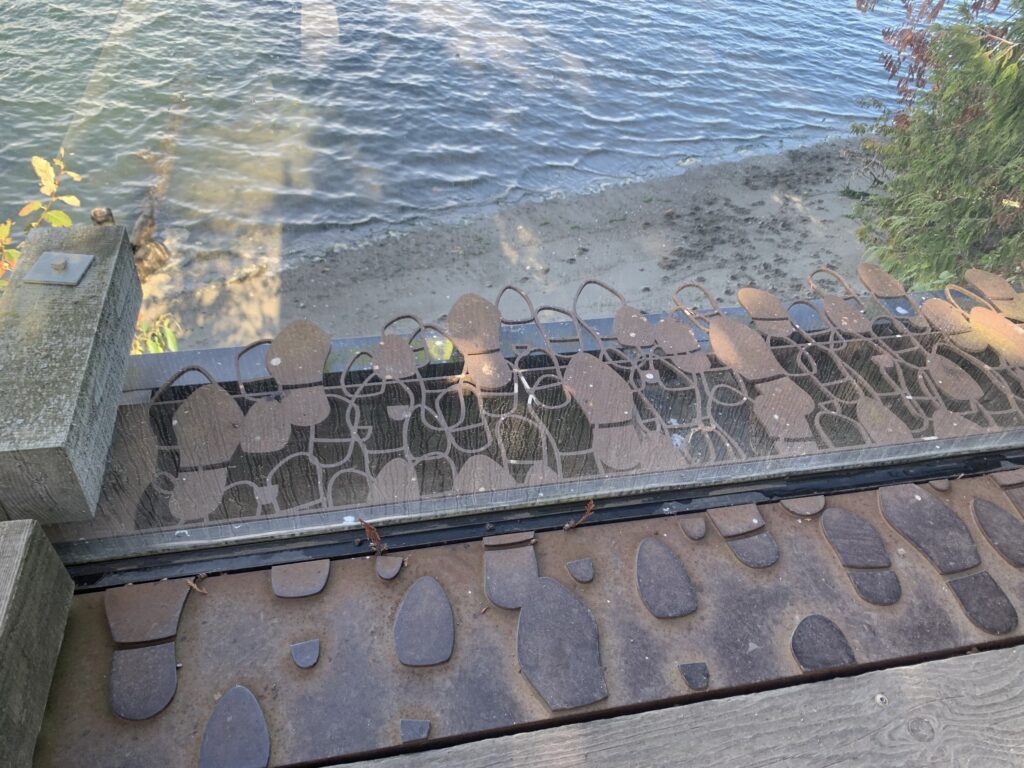
The memorial’s outdoor interpretive features explain the significance of the historic site. Its Story Wall and Departure Deck offer visitors a more personal connection to the events.
“While the historical interpretation is relatively concise, the artistry and emotional impact of the Story Wall and Departure Deck convey the profound injustice of a government order that upended the lives of ordinary people solely because of their Japanese ancestry,” Sato said.
The memorial also recognizes island residents who maintained relationships with Japanese American neighbors during their incarceration and welcomed them home. Their actions provide another dimension to the history, demonstrating the importance of compassion and solidarity during a period of injustice.
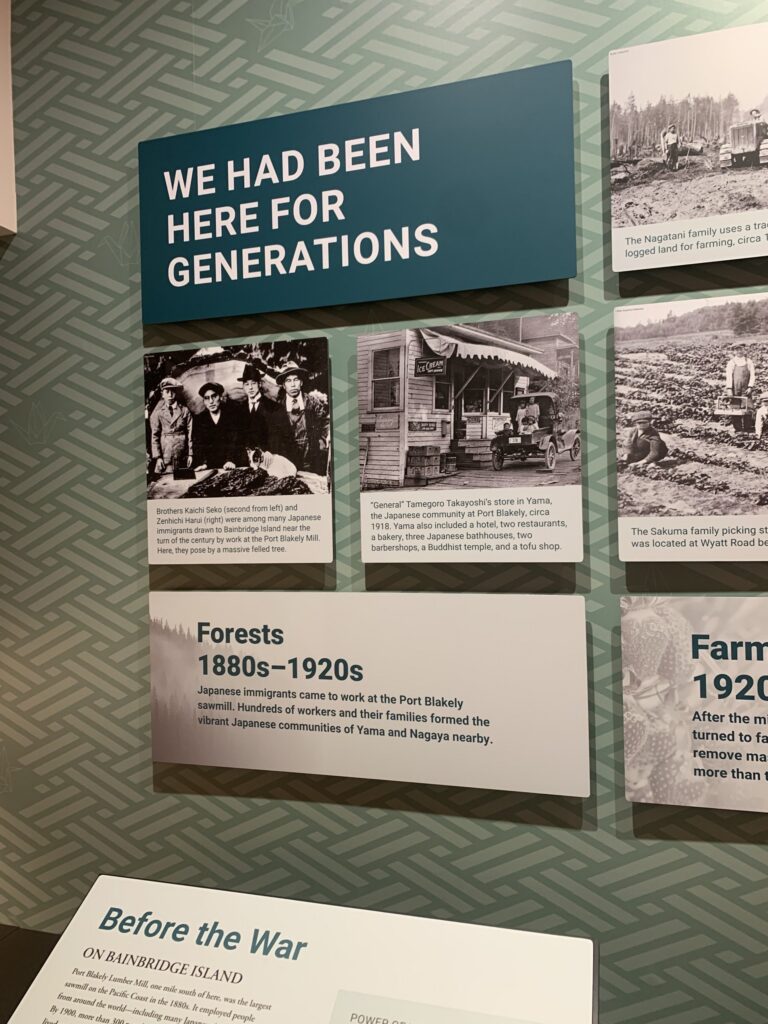
The new visitor center expands how the association can share these stories. Previously, visitors relied primarily on the outdoor memorial and guided tours. The center provides space for exhibits and historical artifacts, including materials that have not been readily accessible to the public.
“Our guided educational tours explore the unique stories of the Bainbridge Island community in greater depth,” Sato said. “Now, with the opening of the Visitor Center, we can expand that educational experience through exhibits, historical artifacts, and future interactive digital workstations.”
The indoor facility also allows visitors to engage with the material in greater comfort throughout the year.
“And frankly, it’s a lot easier to learn when you’re not standing outside in the rain and cold!” Sato said.
Education beyond remembrance
The association’s educational mission is to help visitors understand not only what happened in 1942, but also how fear, prejudice and failures to protect civil liberties can lead to injustice.
“Education is at the heart of our mission,” Sato said. “The Memorial was envisioned not only as a place of remembrance and healing, but also as a place of learning, where the lessons of the Japanese American incarceration can be shared with future generations.”
The visitor center gives the organization more opportunities to engage students, community groups, families and businesses in those conversations. Future interactive exhibits and expanded access to historical materials will help deepen the experience and provide additional resources for educators.
The association also hopes to extend its reach beyond Bainbridge Island and the Pacific Northwest.
“Our ambition is for the Exclusion Memorial to become an increasingly valuable educational resource, not just for Bainbridge Island and the Pacific Northwest, but for visitors, educators, and institutions across the country and around the world,” Sato said. “The history we preserve is uniquely Bainbridge Island’s, but its lessons are universal.”
Achieving that ambition will require the association to balance its educational goals with the practical responsibilities of operating a public facility.
The work behind the mission
The memorial operates through a partnership among organizations with distinct responsibilities. The Bainbridge Island Metro Park & Recreation District owns and maintains the grounds and built features. After the association funds and completes each phase of development, ownership and stewardship of those capital improvements transfer to the district.
The association oversees interpretation, educational programming, fundraising, day-to-day maintenance of its interpretive features and visitor center operations. The National Park Service provides additional interpretive and maintenance support through a cooperative management agreement with the Park District.
The arrangement brings together public agencies, nonprofit leadership and community participation to preserve the site and make its history accessible.
With the visitor center now open, however, the association faces greater operational demands.
“The opening of the Visitor Center represents a major transition for our organization,” Sato said. “We are moving from a volunteer-supported outdoor memorial to operating a public facility with sophisticated exhibits, historical artifacts on loan, audiovisual systems, and building systems that require professional oversight. Volunteers remain essential, but the responsibilities and costs of operating the Memorial have grown considerably.”
Maintaining the facility, caring for exhibits, managing building systems and delivering educational programs will require dependable funding, staff and volunteer support.
“Our greatest challenge going forward is ensuring the financial and organizational sustainability of everything we’ve built,” Sato said. “Completing the Visitor Center was a tremendous achievement, but keeping it open, maintaining its exhibits, and delivering meaningful educational programs for future generations requires ongoing funding, capable staff, dedicated volunteers, and strong partnerships.”
Funding for the visitor center came in roughly equal parts from government grants, private foundations and individual donations, Sato said. More than two decades of grassroots effort and community generosity helped bring the project to completion.
“The Memorial is a remarkable example of what can be accomplished through community partnerships and shared commitment,” she said.
The association’s partnerships with the National Park Service, the Park District, the Bainbridge Island Japanese American Community, the Bainbridge Island History Museum and other organizations provide expertise and resources. Volunteers welcome visitors, lead tours and help share the history.
Those relationships will remain important as the association shifts its focus from completing construction to sustaining the facility and expanding its educational offerings.
Sustaining the next chapter
The association’s immediate priority is establishing sustainable operations, building a strong team of staff and volunteers, and making the most of the new facility.
Additional work remains, including developing interactive digital exhibits and completing other elements of the memorial grounds. The organization also wants to make more of its historical materials and personal stories accessible to the public.
Local residents and businesses can help support those efforts by visiting the memorial, volunteering, sharing its history and making financial contributions. Donations help fund visitor center operations, expand educational offerings and complete the remaining elements of the memorial.
Sato hopes businesses will recognize the organization as a community resource with a lasting role in education and civic life.
“Above all, we hope local residents and businesses will embrace the Memorial as a community resource—one that preserves an important chapter of our shared history and helps ensure its lessons are never forgotten,” she said.
For Sato, the memorial’s significance lies in both the injustice experienced by Japanese Americans and the responsibility communities have to protect one another’s rights.
“The history we preserve happened right here in our community, to ordinary people—two-thirds of whom were American citizens–whose lives were upended simply because of their Japanese ancestry,” she said. “It’s a reminder that the loss of civil liberties and the consequences of prejudice are not abstract concepts or things that happen only somewhere else.”
The story also offers a lesson in human connection.
“But the Bainbridge Island story is also one of courage, compassion, resilience, and the neighbors who stood by their Japanese American friends when so many others did not,” Sato said. “We hope visitors leave with a deeper understanding of both the injustice and the humanity of this history, and a recognition that each of us has a responsibility to stand up for the rights and dignity of others.”
The new visitor center gives the association greater capacity to preserve those experiences and share them with a wider audience. Its long-term success will depend on the community partnerships and sustained support that brought the project to completion.
“Our guiding principle is Nidoto Nai Yoni—Let It Not Happen Again,” Sato said. “That’s ultimately what we hope every visitor takes away.”