For entrepreneurs trying to grow businesses outside Washington’s major metropolitan centers, conferences like the Flywheel Investment Conference offer more than networking opportunities or investor pitches. They provide momentum, visibility and connection.
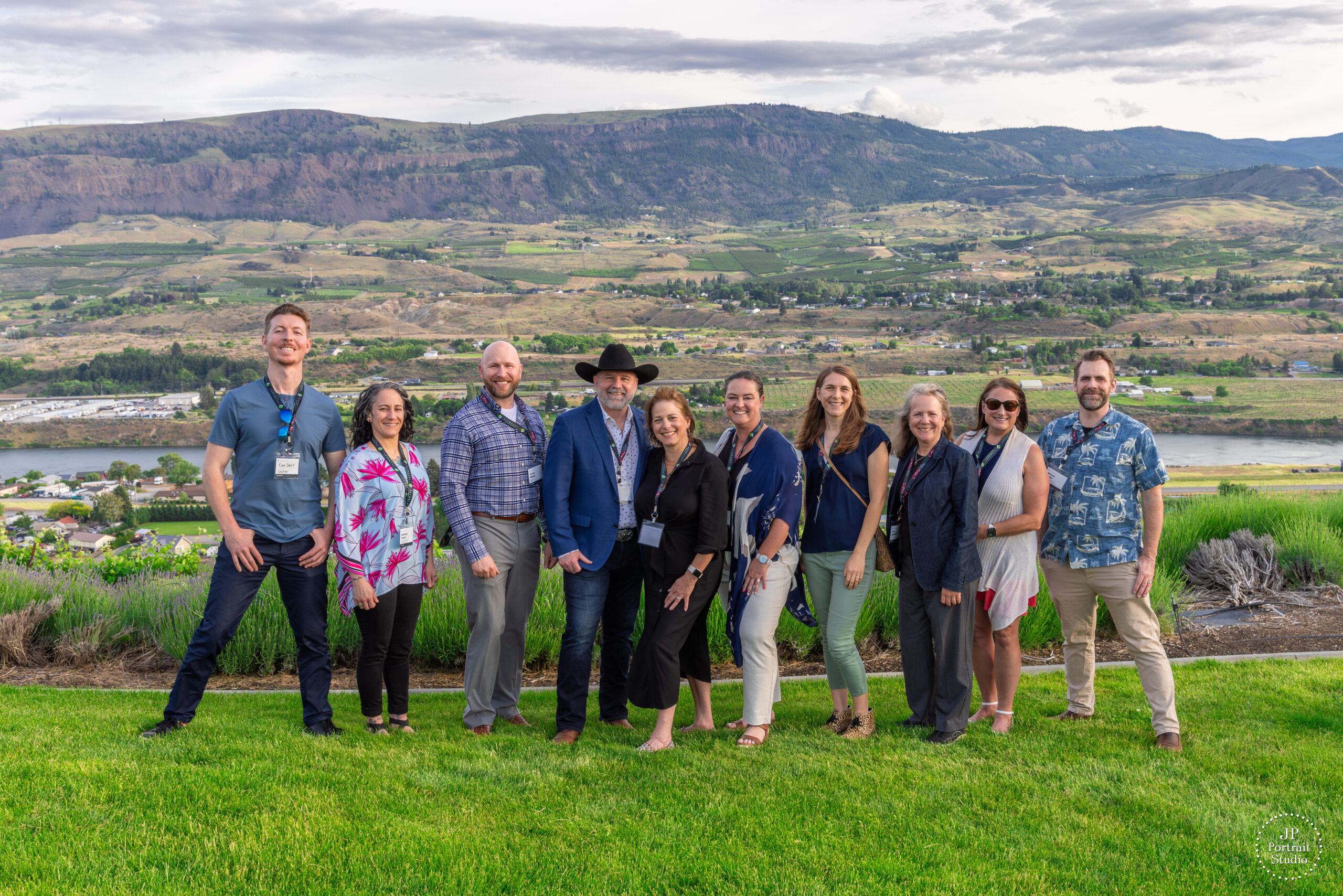
Held each spring in Wenatchee, the Flywheel Investment Conference has become one of Washington state’s premier gatherings for entrepreneurs, early-stage investors and business leaders. Hosted by the NCW Tech Alliance, the multi-day event brings together startup founders, mentors, investors and community leaders to exchange ideas, build partnerships and explore new opportunities for innovation.
The centerpiece of the conference is a live pitch competition where startup companies present their businesses to accredited angel investors in hopes of securing funding. But for many attendees, the conference’s value extends far beyond the competition stage.
This year, several entrepreneurs and business leaders from Kitsap County attended the conference, returning with new perspectives on entrepreneurship, investment and regional collaboration.
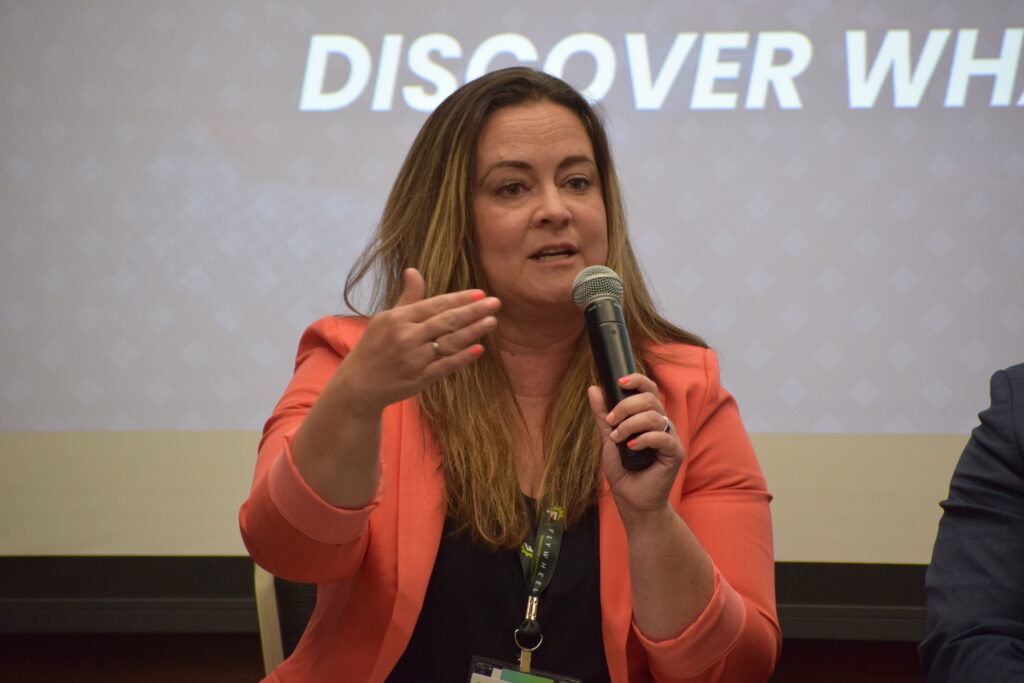
Among them was Matchstick Lab Executive Director Alanna Imbach, who said the conference stands out for its ability to connect local communities to larger statewide and national conversations.
“The Flywheel Investment Conference does an exceptional job of showcasing a region while also connecting it to a much bigger statewide and national conversation,” Imbach said. “You leave understanding that community infrastructure is economic infrastructure.”
Imbach said one of the most impactful parts of this year’s conference was Latino Founder Day, which created space for deeper and more personal conversations among entrepreneurs.
“The conversations became so much richer and more holistic when people were able to show up in the fullness of who they are,” she said. “I appreciated hearing stories and perspectives that have often been buried beneath the noise of the usual startup conversations.”
She said the experience broadened the traditional definition of entrepreneurship beyond funding and rapid growth.
“I loved seeing entrepreneurship framed as much around capital and growth metrics, as in culture, resilience, family and legacy,” Imbach said.
As Washington’s startup ecosystem continues to expand beyond Seattle, conferences like Flywheel have become increasingly important for entrepreneurs in smaller and rural communities who may not otherwise have direct access to investors or statewide business networks.
Imbach said the conference succeeds because it intentionally creates opportunities for meaningful relationship building.
“The Flywheel Investment Conference shortens the distance between founders, investors, institutions, and opportunity. The real value isn’t just the stage content,” Imbach said. “It’s the cultivated and intentional relationship building that creates visibility, trust, and momentum between attendees.”
She added that regional conferences help entrepreneurs realize they are not building alone.
“For regions outside major startup hubs, gatherings like this help people realize they’re not building alone, while also helping more community members see investing and innovation as something they can actively participate in,” Imbach said.
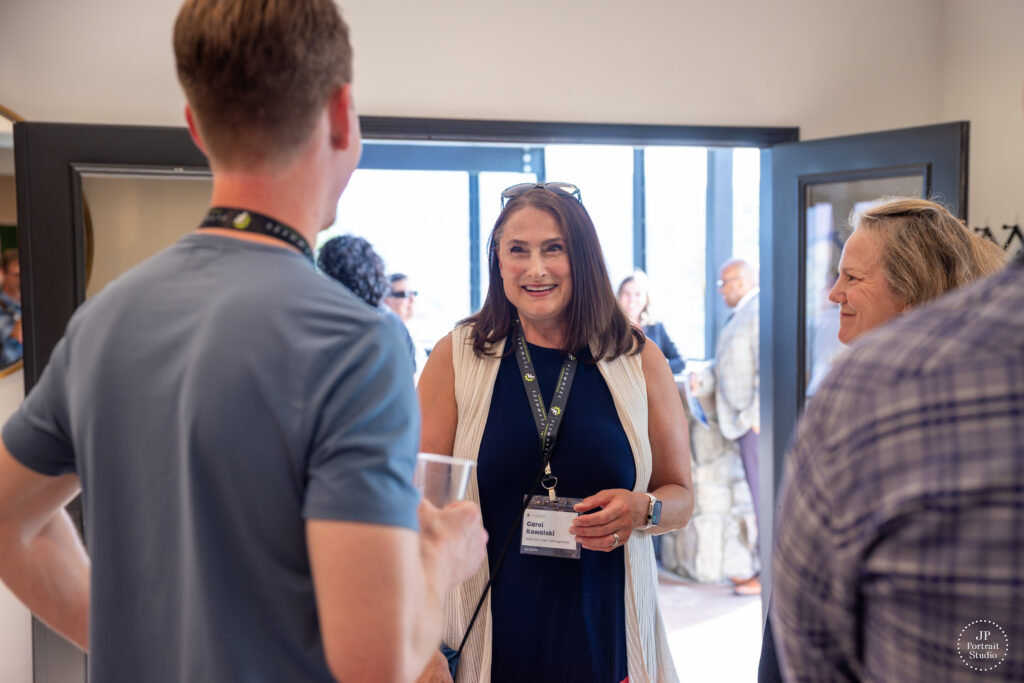
That sense of collaboration also resonated with Carol Kowalski, a relationship banking officer at Heritage Bank and a board member of Matchstick Lab.
“As both a relationship banking officer at Heritage Bank and a board member of Matchstick Lab, one of the biggest things I’ve learned from attending the Flywheel Investment Conference is that thriving entrepreneurial ecosystems are built through intentional relationships, shared storytelling, and creating spaces where investors, founders, mentors, and community leaders can genuinely connect,” Kowalski said. “The energy and collaboration happening across Washington reminds me that innovation grows fastest when communities rally around local talent and ideas.”
Kowalski said gatherings like Flywheel help strengthen not only businesses but regional economies as well.
“Conferences like Flywheel Investment Conference are important because they accelerate opportunity — they connect entrepreneurs to capital, mentorship, strategic partnerships, and visibility that can change the trajectory of a business and a region,” Kowalski said. “They also help communities think bigger about what is possible when economic development, education, and private investment work together.”
That same sense of encouragement resonated with Kitsap entrepreneur Whitney Tatum, who attended the conference through her involvement with Matchstick Lab and as founder and CEO of MOXIE Entrepreneurial Support Services.
“The biggest thing I’ve learned is to keep going in your business,” Tatum said. “Flywheel is a great place that gives hope, because you get to see people doing really cool things to better the world with whether it’s inventions or businesses, and it shows the resilience of entrepreneurs.”
Tatum said the conference’s greatest strength may be its ability to bring people together and foster community connections for entrepreneurs who often work in isolation.
Across Washington, economic development leaders have increasingly focused on strengthening entrepreneurial ecosystems in rural and mid-sized communities. While Seattle remains the state’s dominant startup center, conferences like Flywheel have highlighted growing innovation corridors in places like Wenatchee and Spokane.
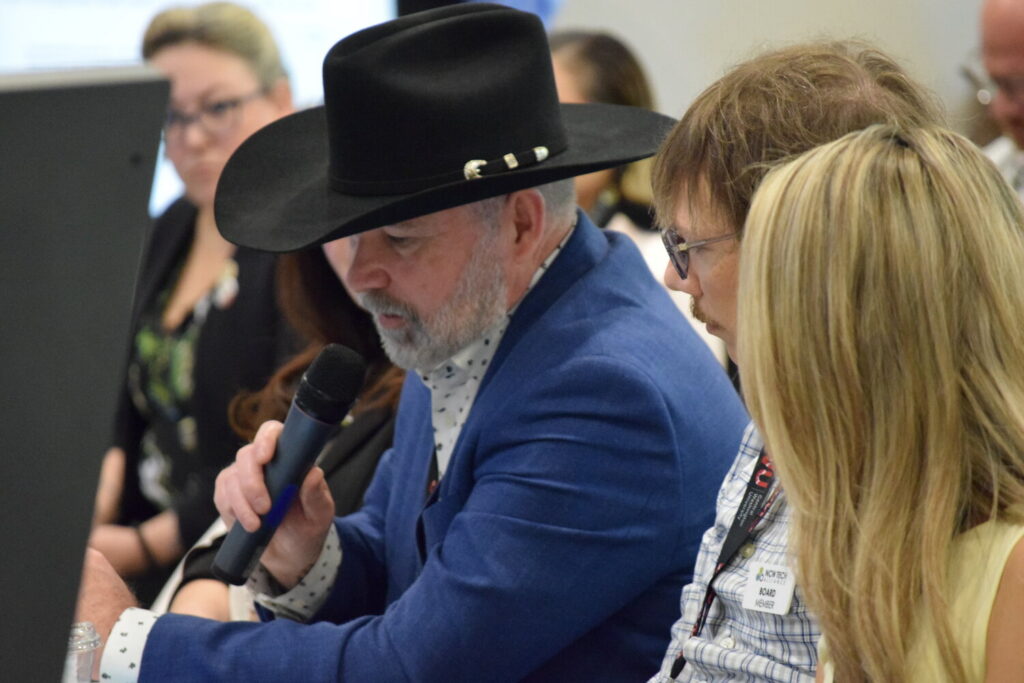
For Kitsap County entrepreneurs, the conference also raises questions about what kind of entrepreneurial infrastructure could be developed closer to home.
Imbach said she does not envision recreating Flywheel directly in Kitsap County, emphasizing that the Wenatchee-based conference serves a unique statewide role.
“There’s only one Flywheel Investment Conference, and anything that dilutes the strength of the connections that happen there would be counterproductive to the whole of our State,” Imbach said. “But I do think Kitsap has the ingredients to create something similarly meaningful and distinctly our own.”
She said Kitsap County already has many of the components necessary to strengthen its entrepreneurial network, including innovative business leaders, creative talent and cross-sector partnerships.
“Strong communities grow through proximity and repeated connection,” Imbach said. “Kitsap already has incredible entrepreneurs, talent, and innovation happening quietly behind the scenes. The more we create opportunities for people to gather across sectors and build real relationships, the more likely we are to retain talent, attract investment, and help businesses grow here.”
Imbach pointed to Matchstick Lab’s Firebrand Unconference as evidence of growing interest in founder-centered conversations within Kitsap’s business community.
“I look at the Matchstick Lab Firebrand Unconference, now in its third year, as proof that there’s real appetite for deeper founder-centered conversations in Kitsap,” Imbach said.
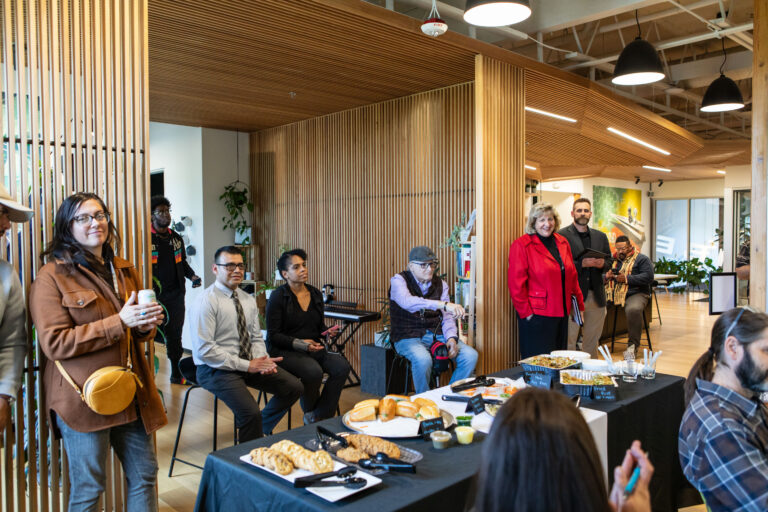
She added that Matchstick Lab has also focused on bringing investors into the conversation through smaller listening sessions and community gatherings.
“When you start connecting entrepreneurs, investors, mentors, creatives, industry, and civic leaders in more intentional ways, you begin laying the groundwork for the kind of cross-sector relationships and shared momentum that make gatherings like Flywheel possible in the first place,” Imbach said.
For attendees from Kitsap County, the conference offered both inspiration and a reminder that innovation is not limited by geography. Instead, they said, sustainable entrepreneurial growth begins with relationships, shared vision and communities willing to invest in one another.
Keep in touch with our news & offers
Subscribe to Our Newsletter
Thank you for subscribing to the newsletter.
Oops. Something went wrong. Please try again later.