From supporting entrepreneurs and attracting investment to helping shape the future of the region’s workforce, Joe Morrison has spent his career focused on economic opportunity.
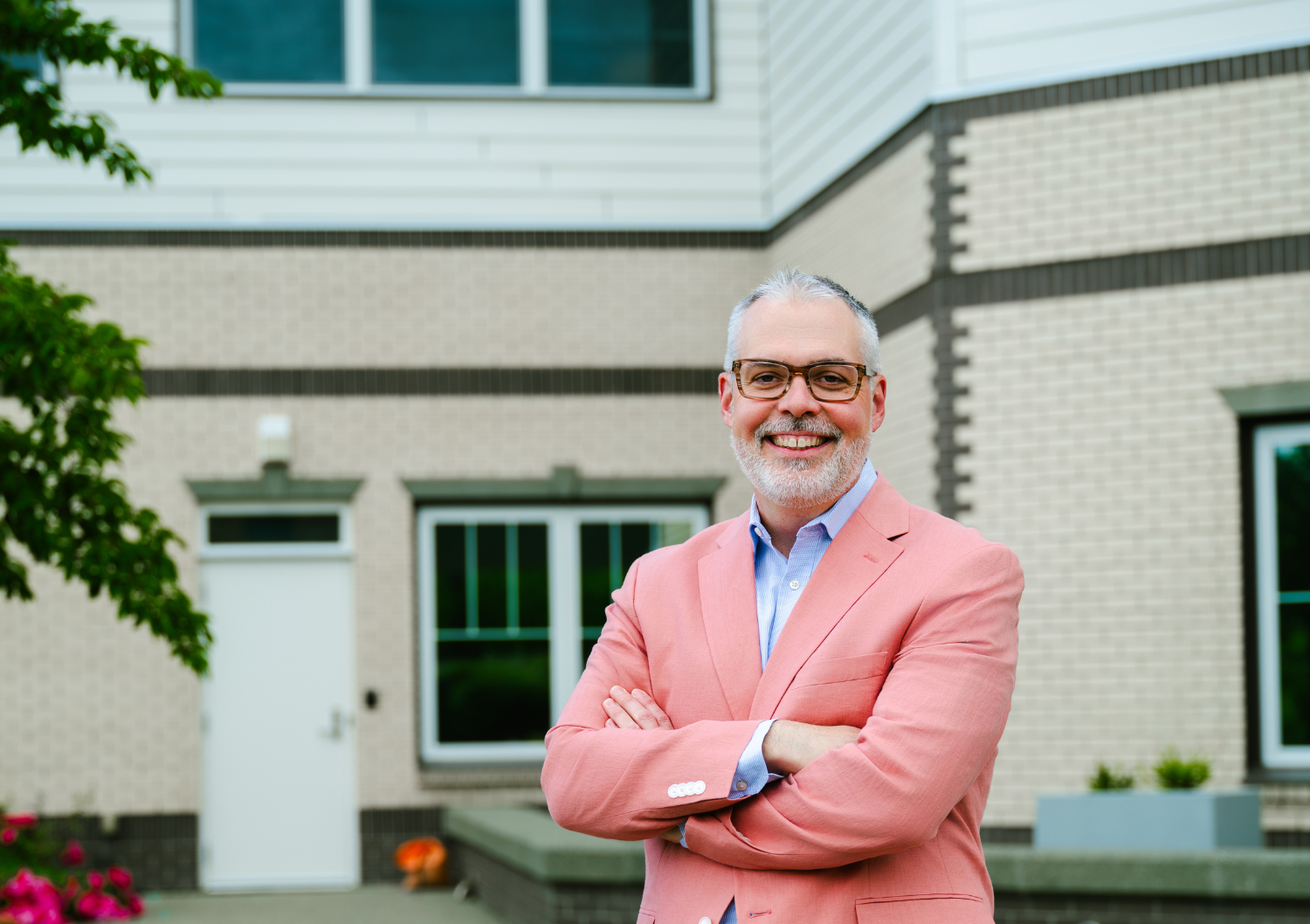
As Executive Director of the Kitsap Economic Development Alliance (KEDA), Morrison works at the intersection of business, government, education and community organizations to strengthen Kitsap County’s economy. Since joining KEDA in 2020, he has helped guide the organization through a period of significant change, including the economic challenges brought on by the COVID-19 pandemic and continued growth across the county.
Morrison brings a background that spans marketing, finance, entrepreneurship and economic development. His work has included managing a $12.7 million city-managed venture fund focused on investing in local entrepreneurs before taking on what he describes as his favorite role — leading KEDA.
In this Executive Q&A, Morrison discusses Kitsap’s economic outlook, the industries poised for growth, the importance of workforce development, the region’s relationship with the U.S. Navy and his vision for how Kitsap can grow while preserving the qualities that make it unique.
Can you walk us through your career journey and what led you to the Kitsap Economic Development Alliance?
I’ve had three career arcs. I started off in marketing and sales for credit unions. After that, I got an MBA. My first job out of school was to run a $12.7 million city-managed venture fund that invested in local entrepreneurs. But my third role, and the one that’s been my absolute favorite, is managing KEDA.

Kitsap County has experienced significant growth and change in recent years. What do you see as the biggest opportunities shaping the region’s economy right now?
I’m bullish on the Kitsap economy. Our primary economic driver has a positive growth forecast—the US Navy. We also have unique assets in our community, like all the land that’s up Highway 3, which we can use for future business opportunities. On this side of the water, we’re insulated from the tech sector, which is good because it will likely face future turbulence due to AI and layoffs. In general, the future just keeps getting brighter for Kitsap’s economy in terms of growth and opportunity.
From your perspective, how has Kitsap evolved as a business community over the past decade?
I’d say that the COVID pandemic made distance from Seattle less relevant in terms of where people decide to both live and work. Kitsap is far more attractive to talent now, I’d say. When it comes to livability, that’s what Kitsap is great at. We truly are a phenomenal community to live in.
What industries or sectors do you believe are positioned for the strongest growth in Kitsap over the next five to 10 years?
First, Defense: The US Navy pretty much has to invest in the Bremerton shipyard, which at this point is 134 years old, and needs a dry dock capable of servicing the new Ford class aircraft carrier. Investment in that effort should be around $10 billion or more, a big amount for a small community like ours. The Navy also has another significant facilities project to do out at Bangor Base in order to homeport the new, next-generation Columbia class submarines.
On the private sector side, we have a growing maritime industry here in Kitsap, with boat builders like SAFE Boats and Inventech Marine—and others—that sell boats not just in this region but throughout the nation and the world. Healthcare is a future area of growth for Kitsap too, thanks to the $600-million new facility that is St. Michael Medical Center in Silverdale. That’s an anchor that draws more healthcare activity here. I would also point out that medical jobs are great careers for our residents. I think there’s also additional business opportunity in the fields of construction, engineering and tourism. There’s a lot for us to capitalize on in Kitsap, provided we lean into our strengths.

Workforce development continues to be a major topic across the region. What are employers telling you about their biggest hiring challenges?
A few years ago, we conducted listening sessions for long-term economic planning, and employers were all over the topic of workforce. Their concern was twofold: There aren’t enough workers in Kitsap, and there aren’t enough with the right qualifications. As a result, KEDA made investments in this space, hiring Elizabeth Court last year to handle our workforce portfolio. She’s doing a great job, working to increase the presence of former military personnel and their spouses in our workforce. She’s also developing tactics to increase two-year certificated careers in our workforce by collaborating with schools and employers.
How important are entrepreneurship and small-business growth to the long-term success of Kitsap County?
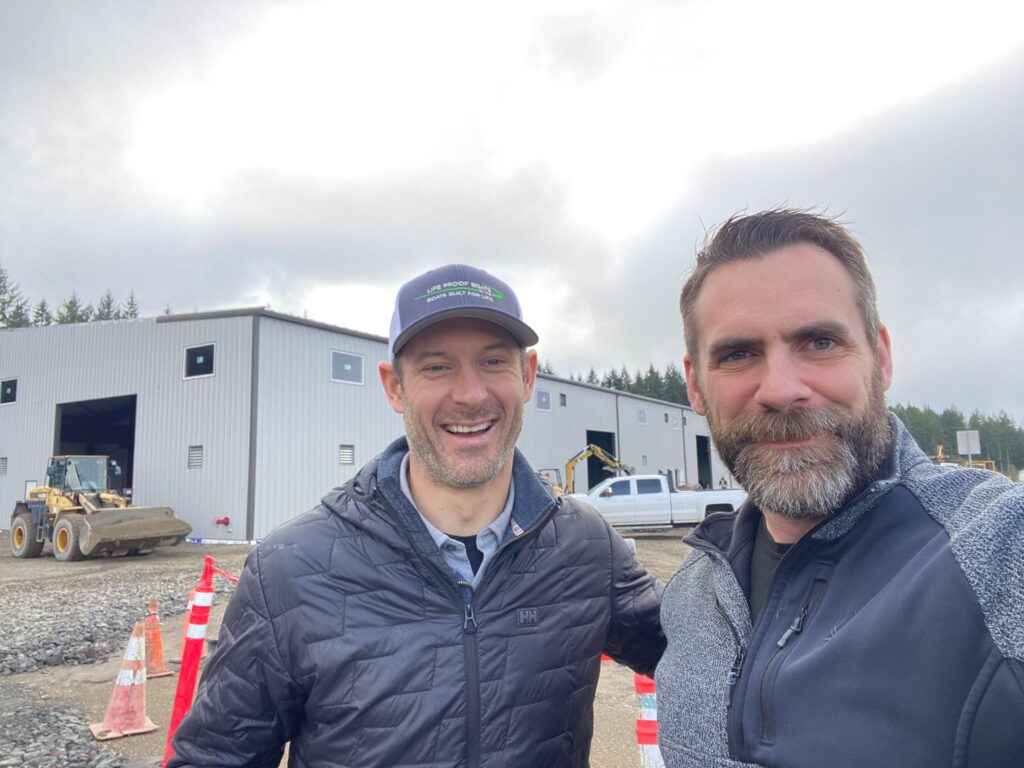
They create the economy of Kitsap’s future. I always like to point out the examples of SAFE Boats and Inventech Marine. One entrepreneur co-founded both companies. Imagine if he didn’t do that. Today, we’d have 400 fewer jobs in Kitsap, and a far less diverse economy.
Kitsap entrepreneurs have tended to stick around, so that means over time they’ve provided a lot of economic impact here. Think of Town and Country Markets, Rice Fergus Miller, Sage Manufacturing — these are just a few of the many companies started in Kitsap that employ so many of us today.
Housing affordability and infrastructure pressures are increasingly tied to economic development. How do those issues affect business recruitment, retention and workforce growth?
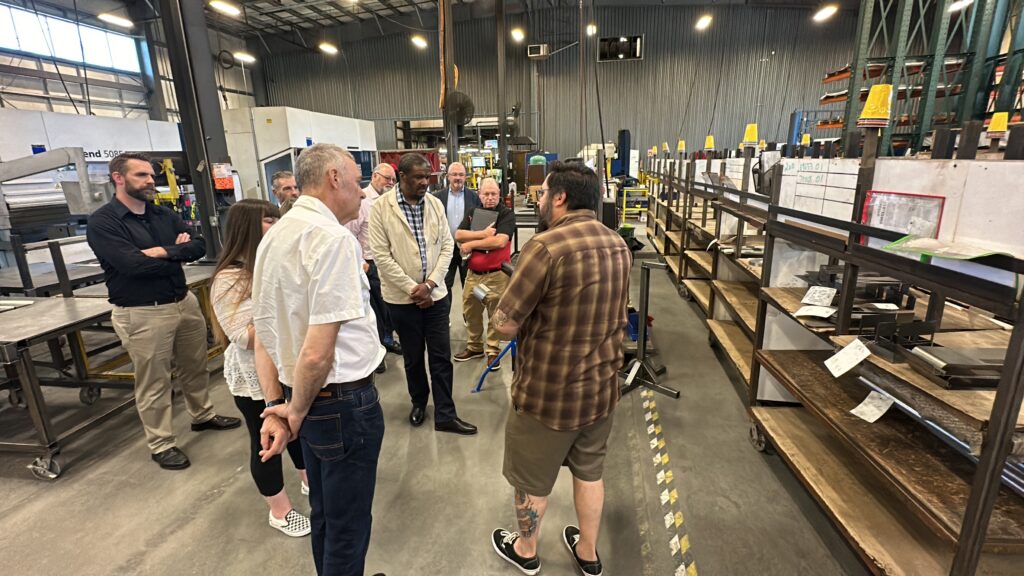
They’re the underlying factors that determine what you can do with your local economy. Housing enables your workforce. If it’s too expensive or scarce, you’ll struggle to have employees. Infrastructure, meanwhile, is the foundation of what businesses can accomplish: It enables creating goods, storing and shipping them, even having space to conduct business.
Kitsap’s connection to the naval and defense economy remains a major economic driver. How do you see that relationship evolving in the years ahead?
I’d really like to see increased collaboration with Naval Base Kitsap. It’s not easy. The Navy is behind a fence for a reason and they have their processes. They are good partners, but can be difficult to engage.
I can think of ways, with more collaboration, that we could have helped them secure the industrial space they continue to seek for the SIOP project more efficiently. We’re still working on that, three years in. Another example: I think it would really help transitioning servicemembers and their families find jobs if there was a WorkSource Employment Center directly located on Naval Base Kitsap, like there is at Joint Base Lewis-McChord.
What role does regional collaboration play between local governments, schools, businesses and community organizations in supporting economic development?
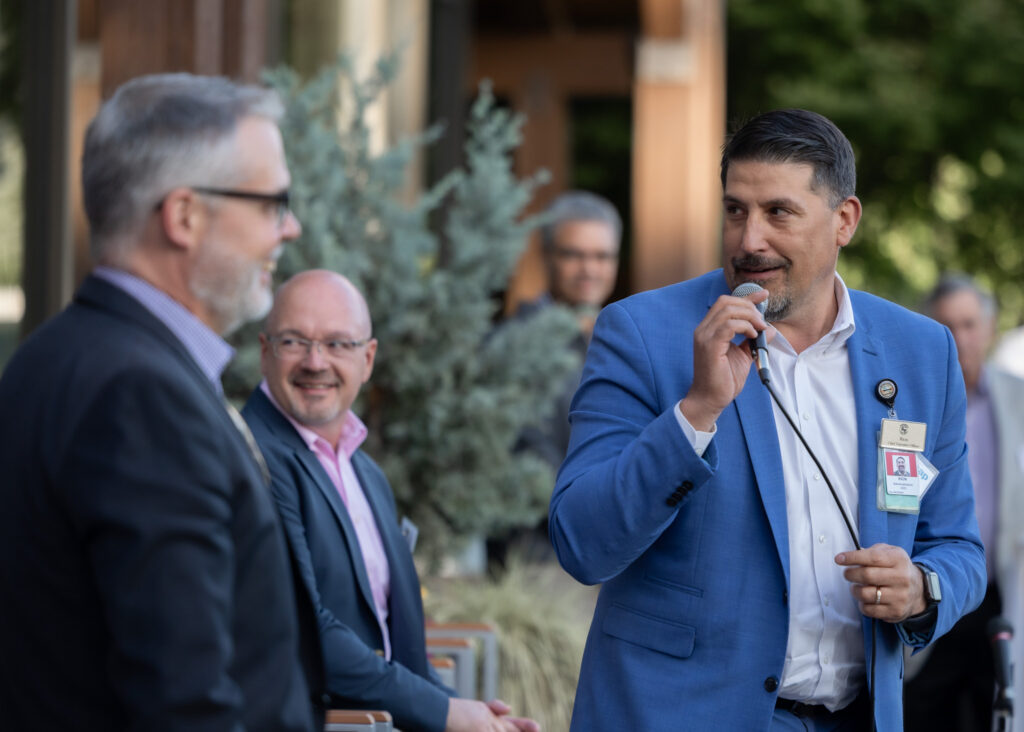
All of Kitsap’s communities share the same basic economic challenges and opportunities: Childcare, housing, infrastructure availability, local business climate. KEDA brings together public, private and nonprofit sectors, tribal corporations, and educational institutions to work together to address these issues. KEDA is the convener to help get things done, align priorities and coordinate actions.
As more people relocate to Kitsap, how can the region continue growing while maintaining the quality of life that attracts residents in the first place?
It’s worth remembering that Kitsap is growing according to plan, which is at about 1 percent population growth a year. True, some parts of Kitsap are growing very fast. Port Orchard is one of Washington’s fastest growing cities. Still, in the last five years, we have exceeded 1% growth in Kitsap County just once. Since Kitsap is small and compact, any growth you see that happens here is very visible.
This is especially true when you’re concentrating a lot of that growth in the same place. The cities and county have coordinated on a good plan to preserve our green corridors and natural environment. This plan, basically, is to see that Silverdale, Bremerton and Port Orchard take on most future growth and densify. This is happening, and will bring additional opportunity to those communities, like the potential for even more downtown redevelopment in Bremerton.
What accomplishments or projects are you most proud of during your time leading KEDA?
In general, I’m just proud of the organization, how hard everybody works and how much they care. We all love what we do, love working to grow our community’s economy.
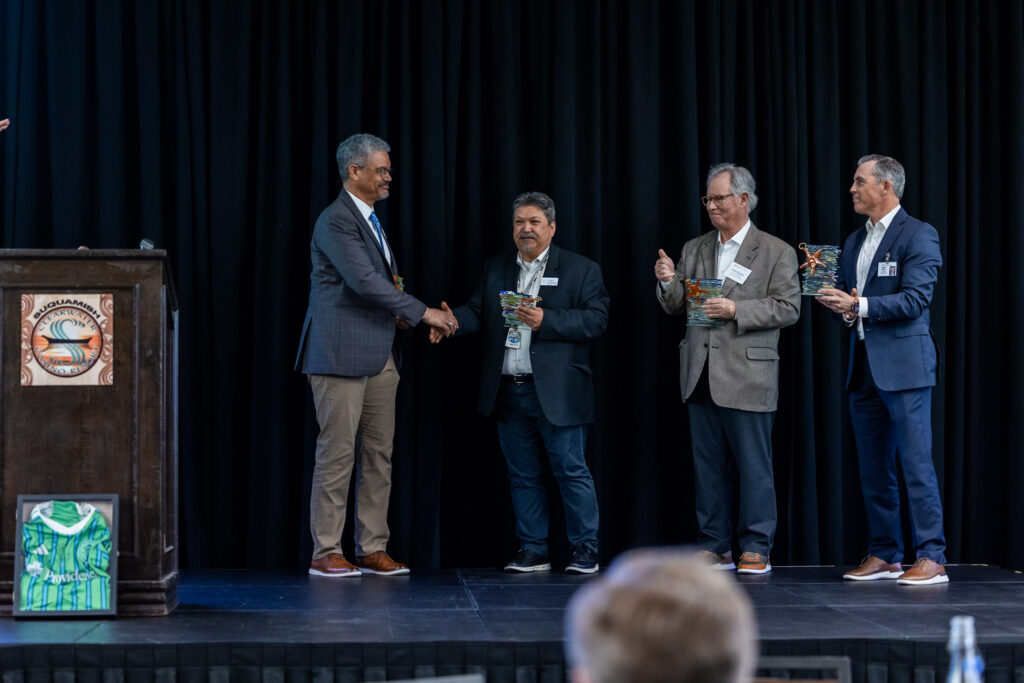
Last year we won an award for helping Booz Allen Hamilton move into Bremerton, which was a million-dollar-plus investment with significant job growth. Last year we also facilitated a $200,000 grant for Inventech Marine, which contributed to the construction of their new 60,000 square-foot headquarters located at the Port of Bremerton. We’ve also won awards for tech-forward environmental work—a tire-dump mapping project at the Port of Ilahee with defense contractor SERCO—and for a shop local campaign.
But KEDA makes a difference all the time, with or without an award. Today I just had a conversation that might help a local nonprofit connect to grant funding for an outdoor recreation campus. For the last four years, we’ve secured the capital for the Matchstick Lab Microbusiness Accelerator. Local companies you know, your neighbors—Spread Supplies, Honey Malcom Winery, Indigo Plum—have been through that program and learned best practices from it.
When I was hired in 2020, it was the pandemic. I came into an organization that was working long days, processing hundreds of grants for small businesses across the county, helping folks keep their doors open when things were scary and uncertain. A few months later, a black business owner reached out to me and asked if we’d host a gathering for person-of-color owned businesses to focus on best practices, to gather and collaborate. That’s how our BIPOC Business Forums were born.
There’s a lot to love about the work that KEDA does.
Looking ahead, what does success for Kitsap County look like to you over the next decade?
Imagine a Kingston that’s slightly more developed, family friendly, and with fewer vacant properties downtown. Imagine a Bainbridge with far less bridge traffic, maybe a small company HQ or a couple high value startups. Imagine actual development on Olhava in Poulsbo, with cross-pollination between Western Washington University and Olympic College, more students milling around, and new buildings flanking the recreation center built there.
Imagine a Silverdale that sees ambitious redevelopment, that somehow transforms this big box city into a more livable community with its own identity. Imagine a Silverdale that actually capitalizes on its remarkable natural environment of Dyes Inlet, all while remaining a retail and medical powerhouse.
Imagine a thriving downtown Bremerton, with more pedestrian activity and no derelict buildings. Imagine Port Orchard with a revitalized downtown that shows off its waterfront location, with a new community center, and that emerges into its own with increased business and restaurants that go along with that growth. Imagine more opportunity for jobs along the Highway 3 corridor from Belfair to Gorst, with firms coming to the area, taking advantage of new buildings in a shining business park, all while the airport carefully experiments with limited passenger service.
One thing I think all of us generally agree on as a community is that Kitsap’s natural beauty, waterfront nature and green corridors are critical. There’s a reason we live here and not on the I-5 corridor. Valuing and preserving this environment makes us different from the rest of Greater Seattle.
But we can’t stand in place or freeze time. You either pursue growth and investments that benefit your community, or you let growth happen to you. Better we shape that growth and use it to our ends, benefiting our economy and residents. Here in Kitsap we’re great at collaboration so let’s team up and realize some of these ambitions.
Kitsap is one of the most beautiful, remarkable places in America. It deserves an equally stunning economy. There is so much opportunity available to us right now. Kitsap’s future is bright, so let’s go realize some of it. You’re welcome to help. Reach out to me directly if you’d like to get involved (morrison@kitsapeda.org). KEDA’s role is to facilitate jobs and investment, for all the places and people who call Kitsap home.
Keep in touch with our news & offers
Subscribe to Our Newsletter
Thank you for subscribing to the newsletter.
Oops. Something went wrong. Please try again later.