Inside Declutter Kitsap with Owner Hannah McHugh
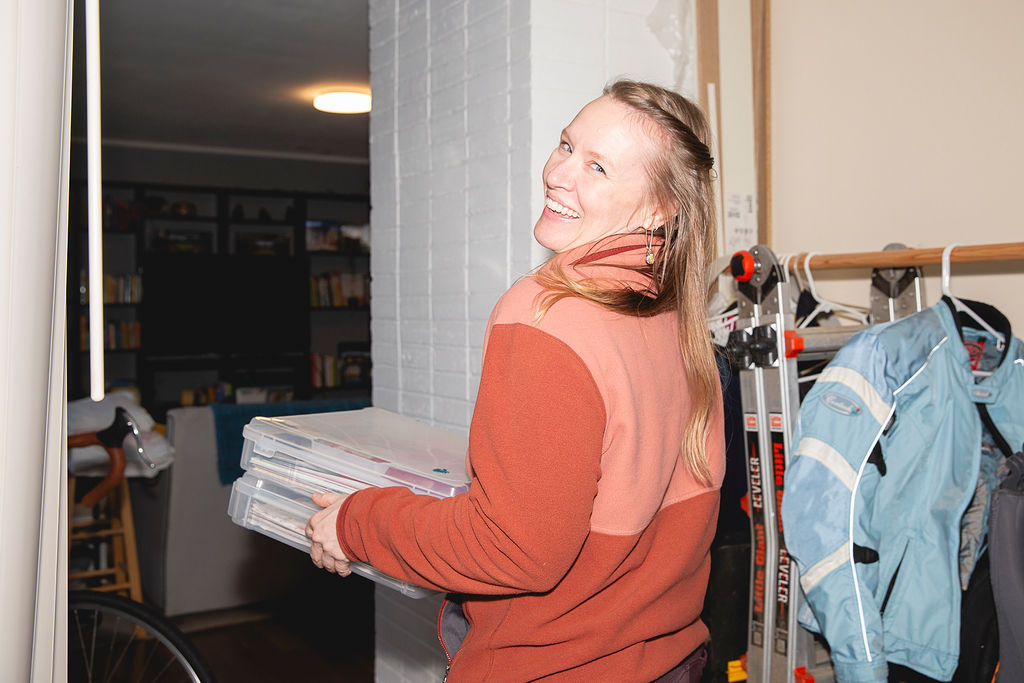
When Hannah McHugh walks into a cluttered room, she doesn’t just see piles, boxes, or years of postponed decisions. She sees stories, overwhelmed nervous systems, and an opportunity to help people reclaim their space and peace of mind.
McHugh is the owner and founder of Declutter Kitsap, a professional organizing business based in Kitsap County. Her company, now approaching its second anniversary, works with everyone from overwhelmed families to widowed elders and busy professionals trying to create homes that better support their lives.
“I want people’s lives to go well,” McHugh said. “I’m on your team—Team Your Life Goes Well—and organizing is just one way we make that happen.”
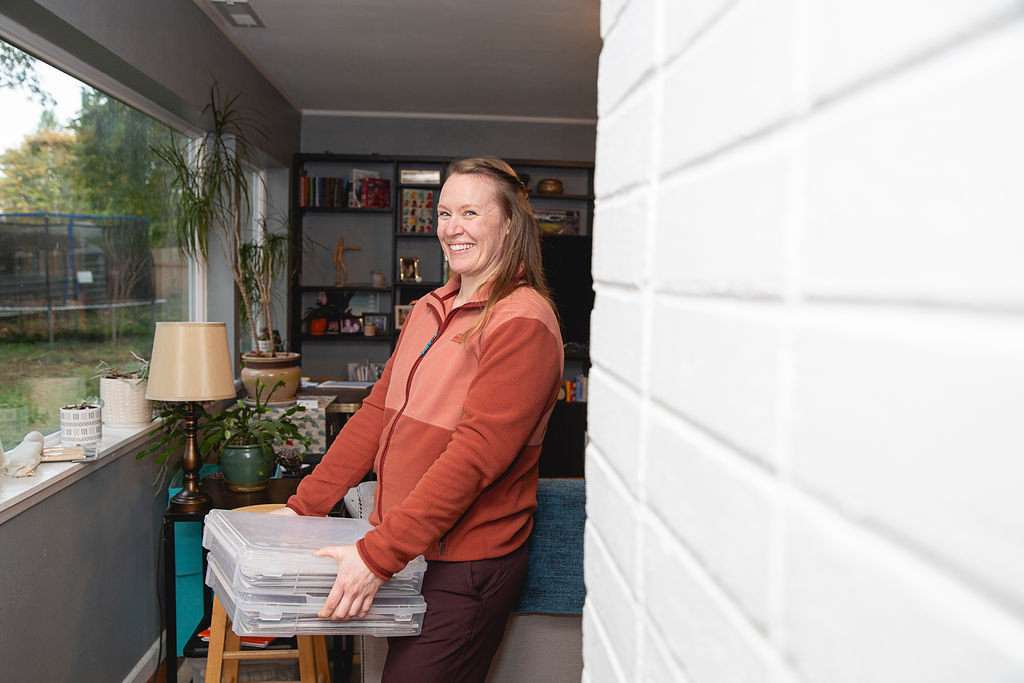
From PE Teacher to Professional Organizer
Before launching Declutter Kitsap, McHugh spent years as a PE and health teacher. Looking back, she sees that role as unexpected preparation for the work she does now.
As a teacher, she managed “lots of equipment,” keeping systems functional and organized. Outside the classroom, she was also the friend eager to help someone clean out a closet or reorganize a room.
“I was always the one saying, ‘Let me come help,’” she said. “I’d sit on the bed and pull out clothes so you could decide what to keep. Nobody wants to do it, but everybody feels better afterward. I love that part.”
The idea for the business became more concrete when her grandparents, then in their 90s, moved into assisted living around the same time she had the opportunity to buy their home. Watching her mother and uncle sort through decades of belongings while trying to spend meaningful time with family revealed a gap she realized she could help fill.
“There was so much work to do,” she said. “My mom and uncle didn’t want to spend that time dealing with stuff—they wanted to spend it with their parents. That was when I realized there was a real need for someone who could step in, see the vision, and help facilitate the process.”
Even while still teaching, she noticed how naturally organizing came to her and how emotionally draining it could feel for others. After moving to Kitsap, she decided to turn those instincts into a business.
Her company will celebrate two years this summer.
“Every day is different, and I love that,” she said. “The best part is watching the stress just melt off people’s shoulders when they see things finally getting done.”
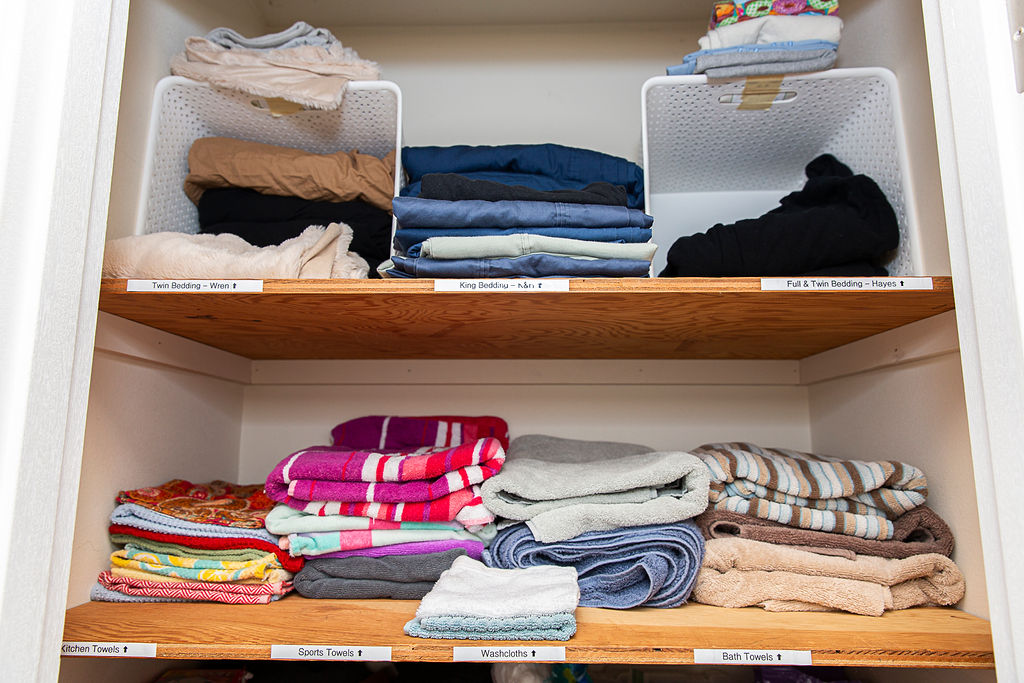
More Than Bins and Labels
For McHugh, organizing is rarely just about containers and storage systems. More often, it’s emotional work tied to grief, shame, overwhelm, or major life transitions.
“It’s not uncommon for someone to start crying the moment I walk in the door,” she said. “They always apologize, and I tell them, ‘Nope, this is what I’m here for. Keep it coming.’”
Many clients have been “stewing on it for a while,” she said—feeling embarrassed by the state of their home or frustrated they haven’t been able to tackle it on their own. Others are sorting through the belongings of a loved one or navigating a major transition.
Rather than trying to push past those emotions, McHugh sees them as part of the process.
“Some people think, ‘We’re crying, we’re slowing down, we’ve got to get moving,’” she said. “But I actually think that pausing to feel the feelings helps in the long run. Telling the story that makes the task hard helps your brain work better and helps you make decisions.”
That’s especially true with sentimental items. Early on, she helps clients sort belongings not just by category, but by meaning and purpose.
“We’ll ask, is this sentimental? Is it decor? Do you want this displayed or stored?” she said. “I want to hear the story if you want to tell it, and I also want to keep us moving toward your goal.”
McHugh is quick to clarify that she is not a therapist or counselor.
“I’m a listener who wants things to go well for people,” she said. “Sometimes, that’s all people need—someone who will listen, not judge, and help them keep going.”
Teaching Skills, New Classroom
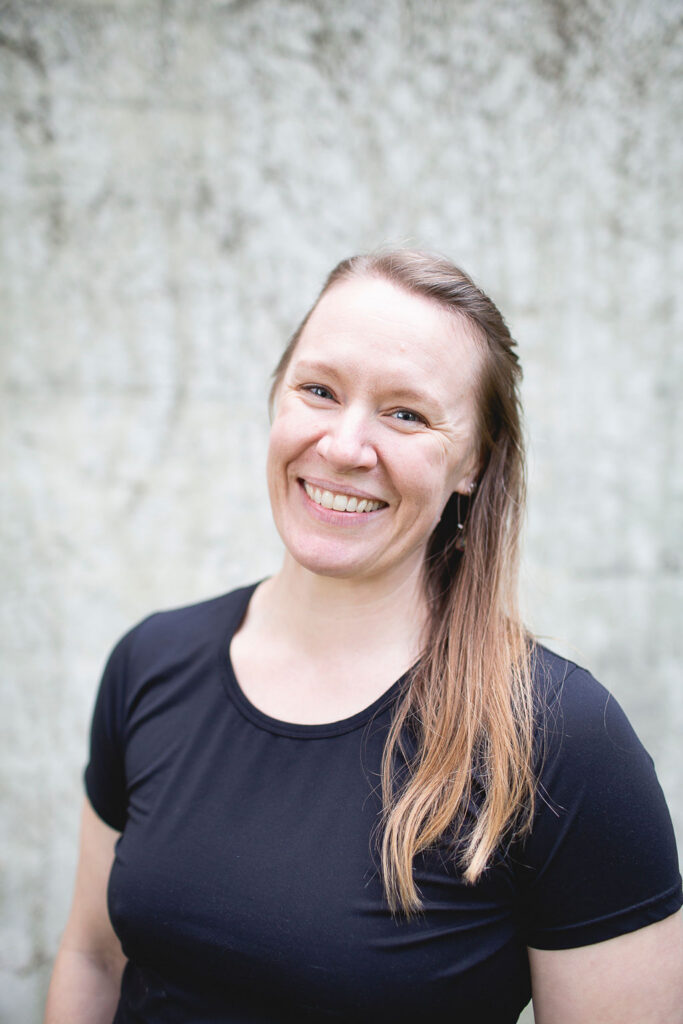
McHugh credits her teaching background with shaping how she approaches organizing. Years spent working with students taught her that every brain processes information differently, something she now applies to every project.
“Sometimes you have to say the same thing in different ways,” she said. “That’s true in a classroom and it’s true in someone’s kitchen.”
For some clients, visibility is essential. If items are tucked away in cabinets, they effectively disappear. Others feel calmer when everything is hidden from sight.
“If I set up a system that doesn’t match how their brain works, it won’t last,” she said. “We have to build systems that are realistic for how they actually live.”
She’s also found herself acting as an unexpected facilitator when working with couples or families.
“They’re often coming in already overwhelmed or frustrated,” she said. “I’ll find myself saying, ‘What I’m hearing you say is…’ or ‘When you said that, they reacted this way—was that what you intended?’”
Buying Back Time and Mental Space
McHugh primarily works with residential clients, though many are professionals or business owners whose home stress affects every other part of life. She also frequently helps families navigating downsizing, caregiving, and aging parents.
“What people really want is more mental space,” she said. “They hire me so they can spend their time on their business, their kids, or their parents, instead of staring at a basement full of boxes.”
Part of that support involves handling the logistical burdens clients often dread most.
“You don’t need another task,” she said. “We can take donations for you, coordinate with haulers, and deal with the logistics. We’re trying to make things easier, not give you more homework.”
That has become especially valuable for clients in the “sandwich generation,” balancing careers, children, and aging parents all at once.
“So many people want to help their parents, but they already have full lives,” she said. “Most of us will only clear out a parent’s home once or twice in our lives. You can learn how, but that doesn’t mean that’s how you want to spend your time. That’s where we come in.”
A Year-Long Transformation
One client story still stands out to McHugh.
For nearly a year, she worked with a woman who had recently lost her husband and was deciding whether to remain in her longtime home or move closer to family in Seattle. Together, they slowly sorted through decades of belongings while imagining what the next stage of life might look like.
“We went through her belongings and I got to hear so many stories,” McHugh said. “Part of the process was deciding what to keep, but part of it was helping her create a space that finally felt like her own.”
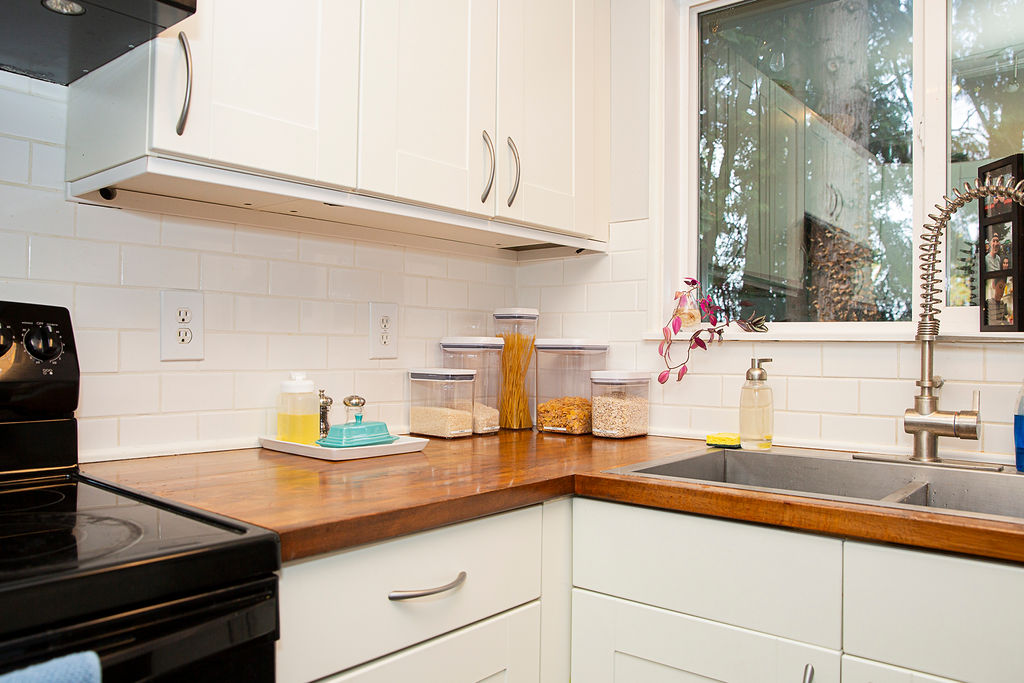
Eventually, the client chose to relocate. McHugh and her team packed the home, coordinated the move, then unpacked and organized the essentials in the new apartment.
“In a single day, we had the kitchen functional, the bed made, the bathroom set up, and the office started,” she said. “That allowed her family to come in afterward and focus on the meaningful parts—the artwork, the photos, the finishing touches.”
The transition became deeply personal for the client.
“She told me it was the first place that truly felt like hers,” McHugh said. “She picked bright, vibrant wall colors that were completely different from her old home.”
McHugh says the impact of organizing can also show up in smaller, everyday ways. One family she worked with—a lawyer and a doctor raising young children—already had a nanny and house cleaner, but still felt overwhelmed by the constant chaos of managing a busy household.
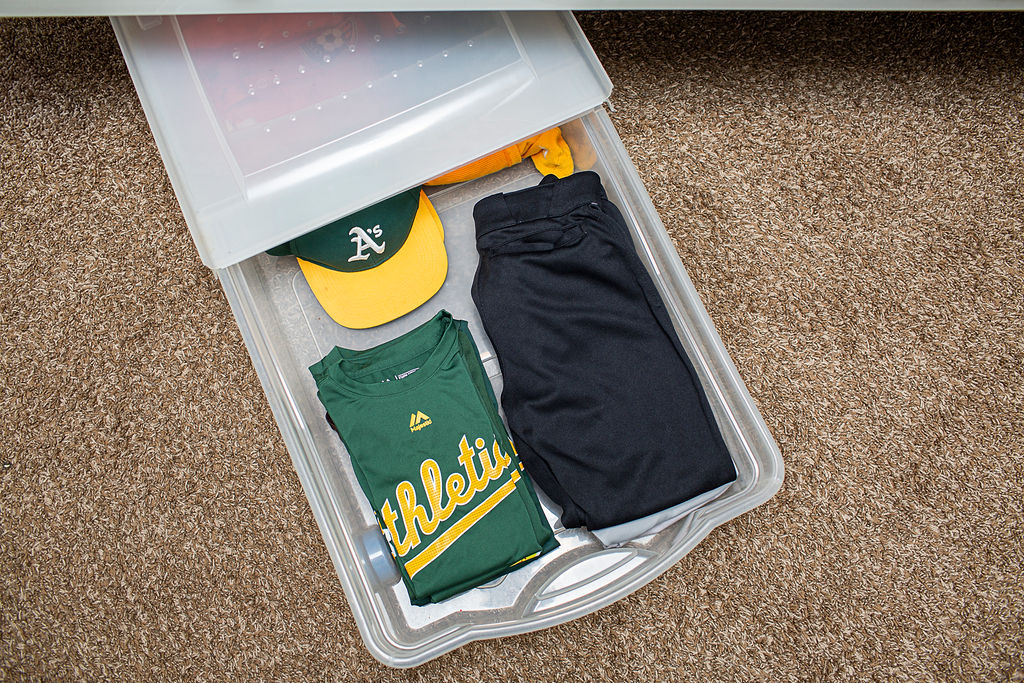
McHugh reorganized the children’s closets and redesigned the playroom to make cleanup easier and more sustainable.
“The kids still destroy the playroom regularly but now pickup takes 10 minutes,” she said.
Purpose Beyond “Making Things Pretty”
When McHugh first left teaching, she questioned whether organizing carried the same sense of purpose as education and advocacy work.
“I wondered, am I just playing with people’s stuff? Am I just making things look pretty?” she said. “Where’s the soul in that?”
Over time, she realized the work was often about much more than aesthetics.
“I work with people who have never been asked what they want their space to look like,” she said. “Sometimes I’ll ask, ‘If you could wave a magic wand, what would you want this room to feel like?’ And they’ve never thought about it before.”
One client, still living in the home she inherited from her parents, had continued sleeping in her parents’ bedroom without ever considering changing it.
“She said maybe she’d like pretty curtains,” McHugh recalled. “That was it. But it was the first time she’d let herself imagine something different for herself.”
For McHugh, those moments are the real heart of the work.
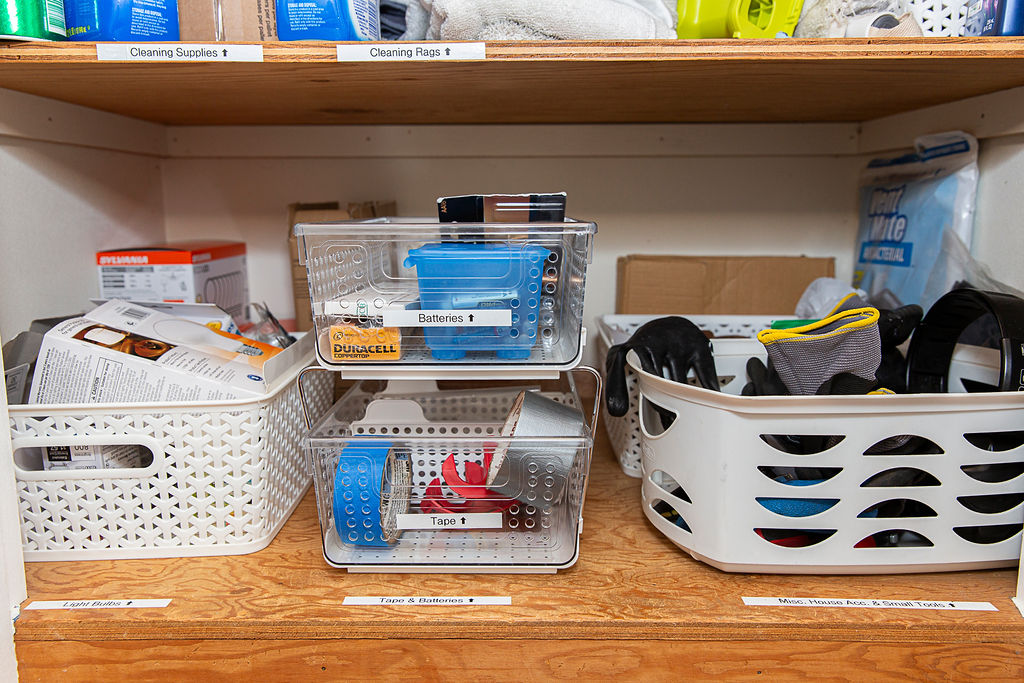
“It’s not just about stuff,” she said. “It’s about helping people realize that what they want for their life matters, and that they can actually change their environment to support that.”
One Simple Place to Start
For people feeling overwhelmed by clutter, McHugh recommends starting small.
“If you don’t need it, let it go,” she said. “Once you’ve decided something isn’t working for you—a coat you hate, mail you’ve already read—it doesn’t need to keep taking up physical space in your home.”
Often, she says, clients have already made many of those decisions internally before she ever arrives.
“By the time I show up, they’re ready,” she said. “They’ve already made half the decisions in their head. I just help them finally move things out and set up systems so their space can feel like a place of peace instead of a constant reminder of what they haven’t done yet.”
For many of her clients, that shift is about far more than organization. It’s about creating room for time, energy, and possibility.
Keep in touch with our news & offers
Subscribe to Our Newsletter
Thank you for subscribing to the newsletter.
Oops. Something went wrong. Please try again later.