How Integrity Roofing Turned Community Giving Into a Business Model
On Christmas Eve and Christmas Day, two Kitsap County families received phone calls they never expected.
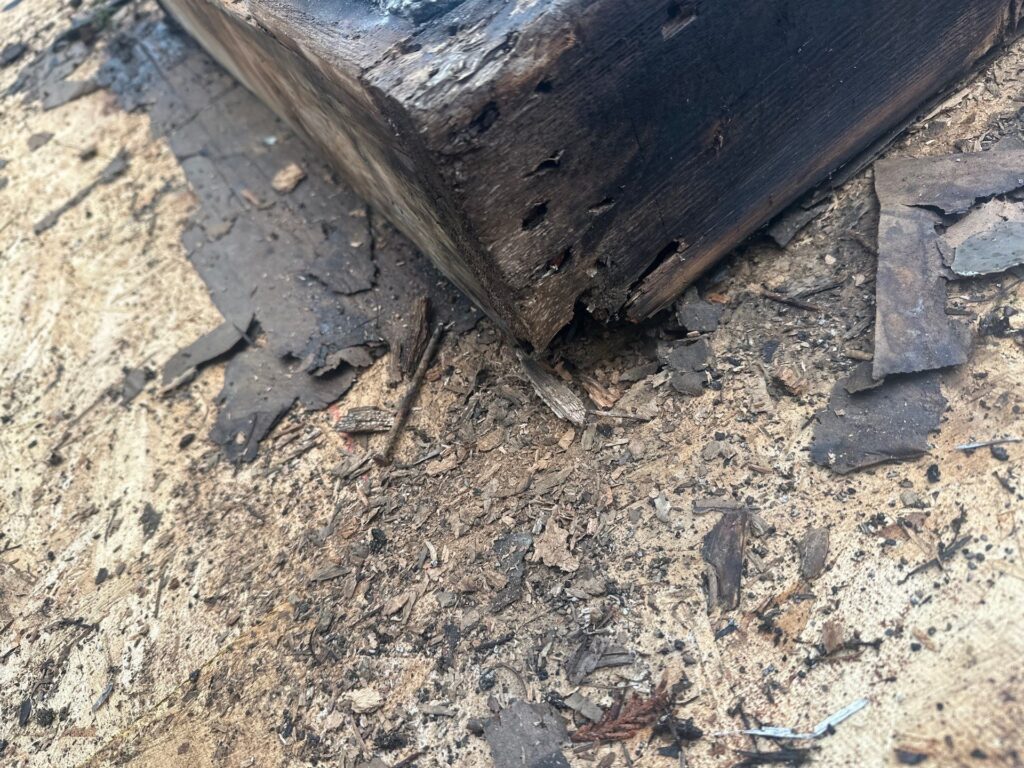
For one family, the roof over their home had been patched together with tarps and sandbags while they navigated cancer treatments and recovery from open-heart surgery. For another, an aging manufactured home had developed soft spots and years of wear, all while the family balanced college tuition and the mounting costs of everyday life.
Both families assumed they would somehow figure it out eventually.

Instead, Integrity Roofing called to tell them their roofs would be replaced for free.
“We were as surprised as anybody,” said Bruce Chandler, whose Kingston family was selected through Integrity Roofing’s annual free roof program.
The Chandlers have deep roots in Kitsap County and have spent years volunteering in the Kingston community, particularly through the North Kitsap Options Program and local youth sailing programs. Chandler said he and his wife, Kristen, never knew they had been nominated by close family friend Amy Anderson, owner of Cup and Muffin in Kingston.
“We didn’t know we were in the running for a free roof.”
For Natalie Sheridan and her parents, the call came during one of the hardest seasons their family had faced in years.
“At that point, the roof was patched with a tarp and some blocks,” Natalie said. “A new roof is more important than people realize — it’s expensive and a lot of work.”
Those stories sit at the center of what founder Tanner Tennyson says has become the driving philosophy behind Integrity Roofing: that a business can pursue profit while still operating with generosity and responsibility at its core.
“I always knew,” Tennyson said, “I would make as much money as humanly possible and give away as much money as I can to help kids that just need it.”

That philosophy has helped transform Integrity Roofing from a small Kitsap-based roofing company into a rapidly growing regional business with locations in Seattle, Portland and Coeur d’Alene in just 10 years. But Tennyson insists the company’s growth cannot be separated from its culture of service.
At Integrity Roofing, the phrase “Doing the Right Thing Matters” is more than branding. It is the framework through which the company approaches customers, employees and the broader community.
The roots of that philosophy stretch back to Tennyson’s childhood in Kitsap County, where he experienced instability at home and relied heavily on the generosity of others.
“We kind of bebopped between homes,” he said. “But I got to see all these entrepreneurs who were really financially successful, and in the quiet of their lives, they were taking care of the community and just doing the right thing.”
Those experiences shaped how he viewed leadership and business ownership long before he started Integrity Roofing.
“It was in my brain pretty definitive from the beginning,” he said. “This is not going unlooked. I realized this is awesome.”
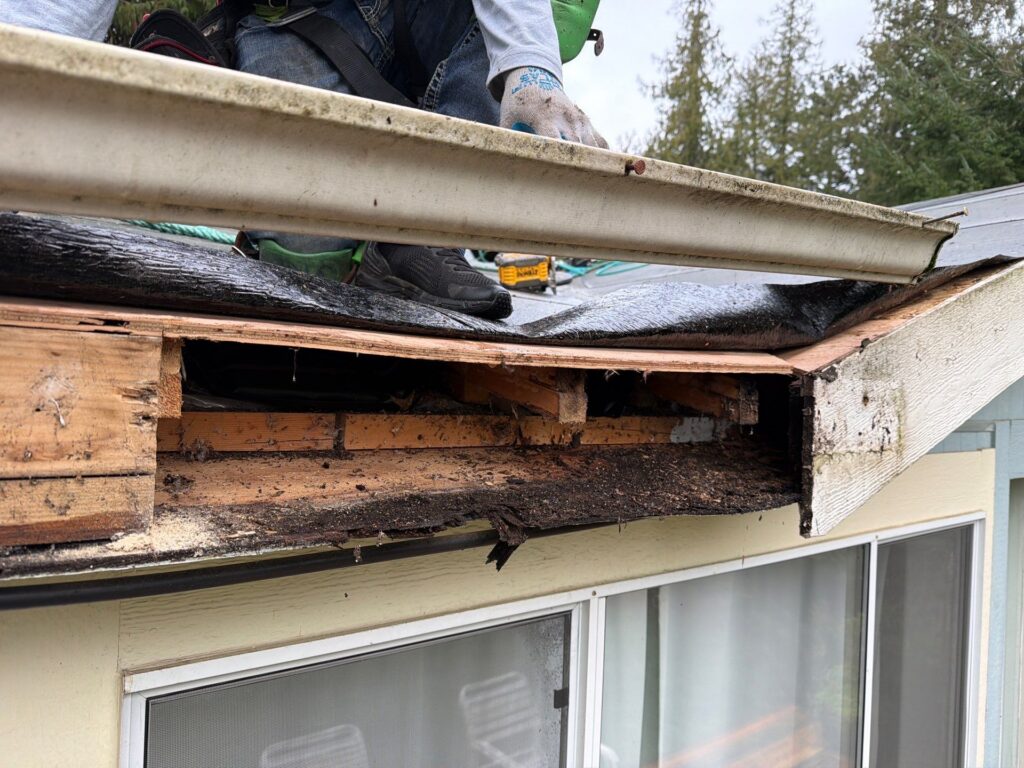
Today, the company’s most visible act of giving is its annual free roof program, which invites community members to nominate families facing hardship. The submissions often reveal stories of illness, financial strain, loss or unexpected tragedy.
“Most people buy a roof once in their life,” Tennyson said. “They don’t know what modern expenses are. And sometimes you show up and you can just tell — they’re in dire straits.”
That reality became especially clear to the Sheridan family.
Around the same time their roof began leaking into the home, Natalie Sheridan’s father nearly died during open-heart surgery. Soon after, her mother, Clara Sheridan, was diagnosed with cancer. For nearly two years, the family struggled to keep up with maintenance on the property while navigating medical challenges and reduced income.
“We didn’t have the means to take care of the house,” Natalie said.
Natalie and a family friend both submitted nominations to Integrity Roofing without knowing whether anything would come of it.
Clara Sheridan initially dismissed the idea altogether.
“My daughter told me she entered us in a drawing, and I said, ‘That’s nice, honey, but just know those are usually scams,’” Clara said with a laugh.
Then the call came.
“I was crying,” Natalie said. “I just didn’t think it was really going to happen. It was a huge blessing for our family.”
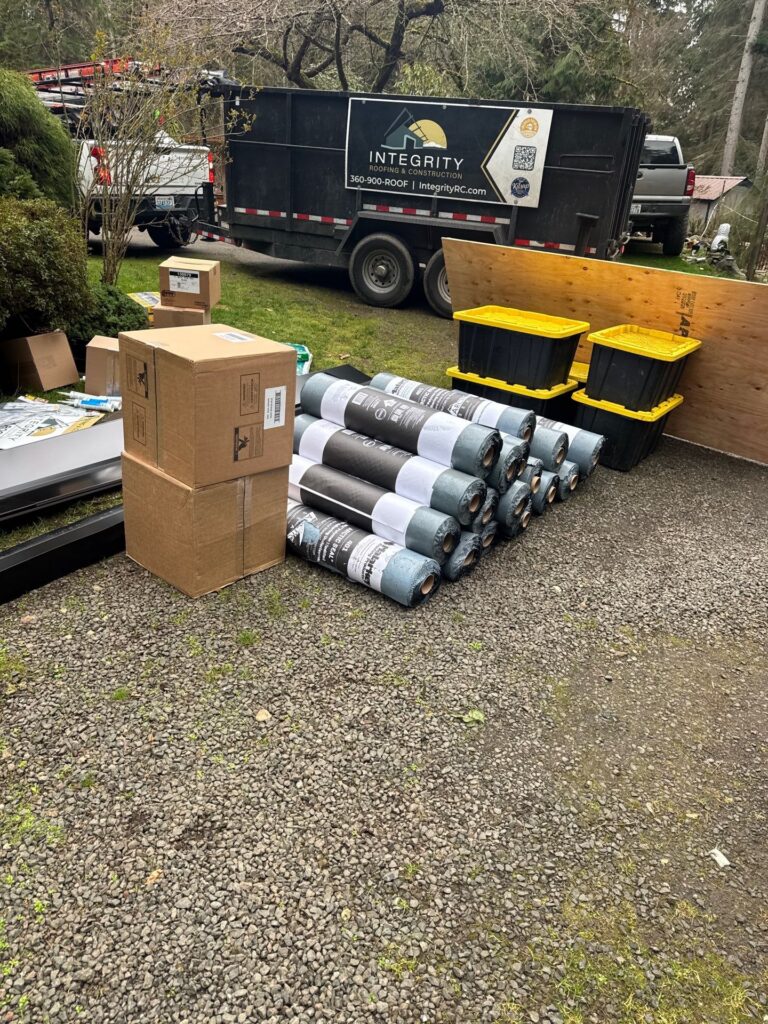
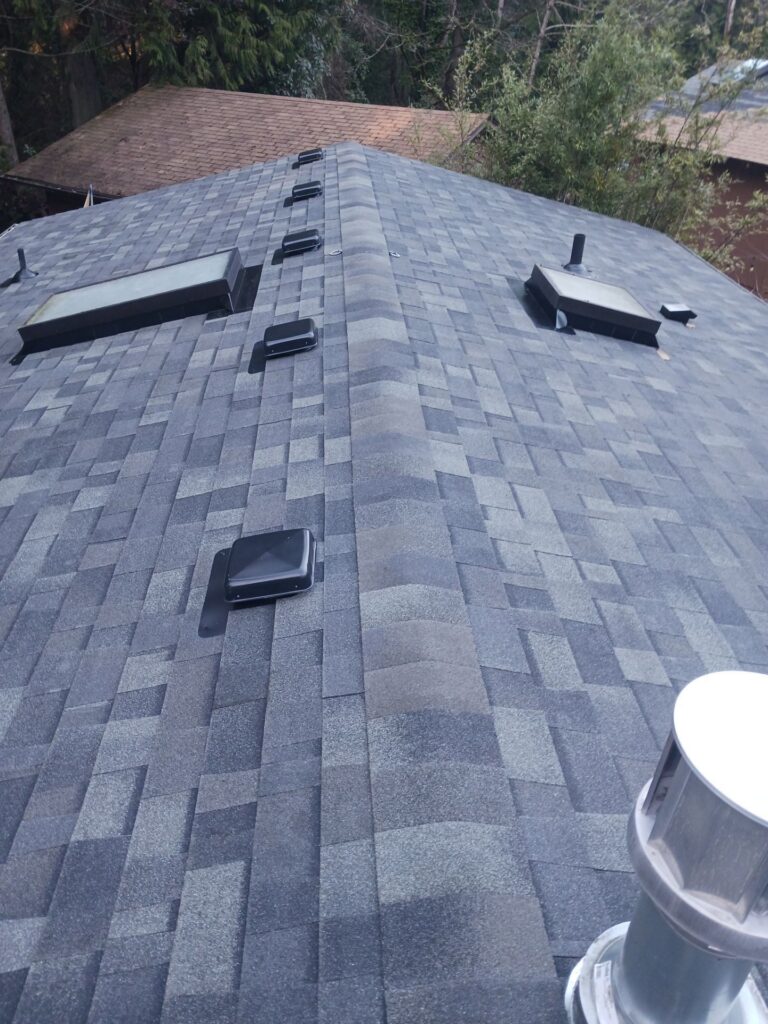
Integrity Roofing replaced the family’s roof in about two days, including installing new skylights.
“They were fantastic,” Clara said. “They were really considerate with everything going on. They cleaned up after themselves.”
The timing proved almost unbelievable.
“After they got the roof on, I think the very next day we had a huge storm,” Clara said. “It came at the perfect time.”
The Chandlers’ experience carried a different kind of emotional weight. Their roof replacement removed a financial burden at a time when their youngest child was attending Colorado State University and household expenses were already stretched thin.
“It certainly eased our financial burden with a kid in college and whatnot,” Chandler said. “It’s been fantastic.”
Chandler estimated the roof replacement would have cost more than $25,000.
“When a company gifts you probably a greater than $25,000 gift, it is very humbling,” he said. “It’s a humbling, humbling gift.”
For Tennyson, those moments are not side projects or occasional charitable gestures. He sees them as central to the company’s identity.
The free roof program itself grew out of years of encounters with struggling homeowners. In some cases, Integrity Roofing responded long before the program formally existed.
Tennyson recalled one family whose husband was struck and killed by a car while walking to get the mail. Integrity Roofing had already accepted a deposit for the project and was working on their roof.
“Tova, our office operator, said, ‘We’ve got to give them their deposit back. They’ve got to pay for a funeral. Tell them it’s all taken care of,’” Tennyson said. “So we refunded it and sent flowers. It was just about being human.”
Eventually, those moments evolved into a formalized community giving program.
Not every application is legitimate, Tennyson admitted.
“You get a lot of shenanigans,” he said. “You can tell when someone’s just being cheap. But you also get these really serious hardships.”
This past year, the company planned to select one family. Instead, they chose two.
“We were planning on giving one away,” Tennyson said. “We ended up giving two away. We weren’t going to vote on whose hardship was worse.”
That decision ultimately helped define the company’s now-official slogan.
“We were like, ‘What’s the right thing to do here?’” he said. “And we all just thought, we should do the right thing and trust that doing the right thing will take care of itself.”
That same philosophy also shapes how the company treats its own employees.
“When you’re focused on taking care of people in the community, it kind of starts with, how are you taking care of your own people?” Tennyson said.
Several times an employee approached him ready to resign because long commutes were creating serious strain on their families.
“They’d say, ‘My wife is going to leave me. I can’t commute anymore. I love working here, but I have to quit,’” he said.
His solution surprised them.
“Let’s buy you a house,” he said.
Tennyson and his wife began purchasing homes closer to company locations and creating lease-to-own arrangements that helped employees relocate and stabilize their family lives.
The company has also expanded employee benefits, including full benefits and generous paid time off after bringing on an investor partner.
The culture of generosity, Tennyson said, has become self-sustaining.
“They bring situations to us now,” he said of employees. “They’ll say, ‘We met this guy; this thing happened.’ And I’ll say, ‘Sweet, take care of it.’”
For Tennyson, the approach is grounded partly in faith and partly in a belief that business owners carry responsibilities alongside financial success.
“You have the right to do whatever you want. You’ve been given free will,” he said. “But you also have the responsibility to love really well. And if you have a resource to do that, it’s your job.”
There were moments, he admitted, when it would have been easier to prioritize personal wealth over reinvesting in employees, community programs and acts of giving.
“I remember thinking, ‘I’ve worked really hard for three years. People do this — they cash out,’” he said. “You realize emotionally why people stop there.”
Instead, he said, the company continues choosing what he calls “financially irresponsible leaps” to help people when needs arise.
And somehow, he said, it keeps working.
“We don’t fully know how it all works,” Tennyson said. “But the right people keep showing up at the right time. The needs we’re supposed to meet keep finding us. And every time we’ve taken what looked like a financially irresponsible leap to do the right thing, it’s come back around.”
For the Sheridan and Chandler families, the company’s philosophy became tangible in the form of shingles, decking and labor — but also something larger.
“I tell everybody they did it for free,” Clara Sheridan said. “Some people might be embarrassed, but I’m just totally blown away by this. I’m so thankful. They may not realize what a big blessing they were, but it came at exactly the right time.”
And for Chandler, the experience changed the way he views local businesses entirely.
“For a for-profit company to reach out like that — and especially this last year, when Tanner said they gave away two of them — that’s a good chunk of money for Tanner to hand out to the community and absorb for his team,” he said.
“We’re very, very grateful,” Chandler said.
Keep in touch with our news & offers
Subscribe to Our Newsletter
Thank you for subscribing to the newsletter.
Oops. Something went wrong. Please try again later.