On a calm morning in Liberty Bay, the water looks deceptively whole. The tide rises and falls. Gulls sweep overhead. Boats idle past Poulsbo’s shoreline. But beneath the surface, the architecture that once defined this inland sea—reef-building oysters, towering kelp forests, intricate webs of forage and shelter—has been profoundly altered.
For nearly three decades, the Bainbridge Island–based Puget Sound Restoration Fund has been diligently rebuilding that architecture, piece by piece.
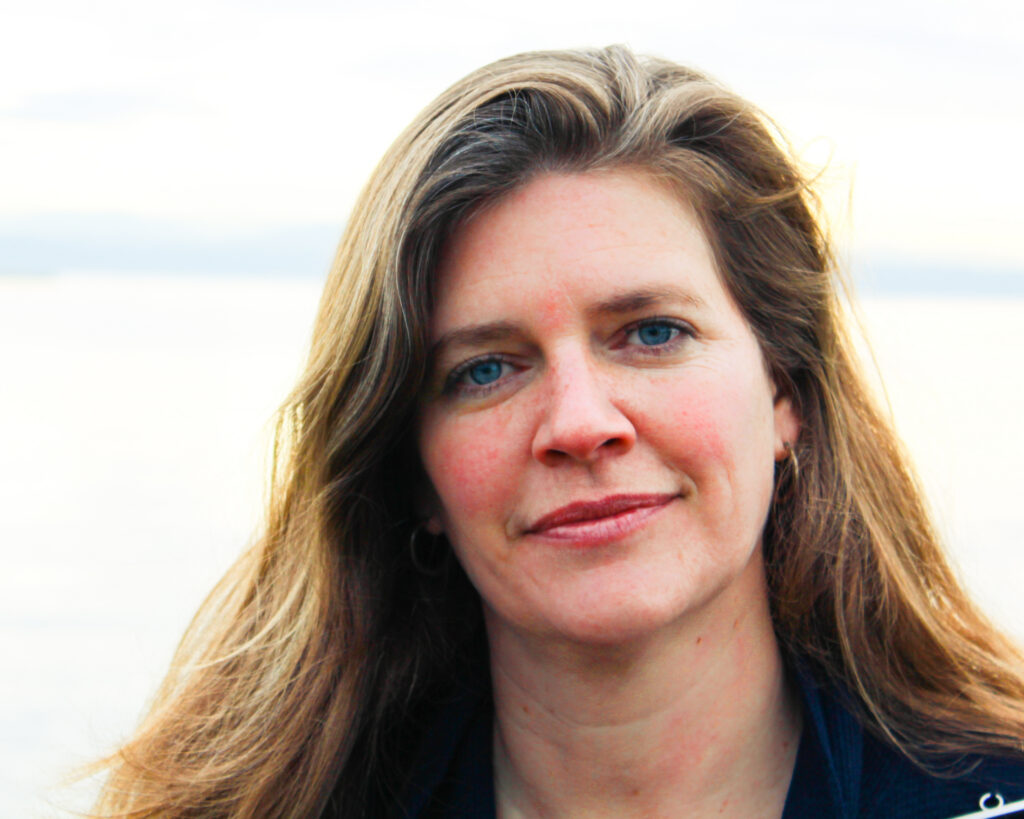
“We are an organization that is dedicated to—and very good at—restoring marine habitats throughout Puget Sound for people and place,” said Executive Director Jodie Toft. “At the core of all we do is making sure that we are keeping that focus on restoring native oysters, restoring native abalone, restoring native kelp.”
Founded in 1997 by Betsy Peabody, PSRF began as a small, nimble nonprofit experimenting on Washington’s tideflats and nearshore waters. Today, it has grown into what Toft describes as a midsize organization. The mission, however, remains intensely hands-on.
“We’re actively doing restoration,” she said. “We’re actively learning from that restoration so that we can do it better. We do this work with many, and we do this work for many.”
PSRF’s work blends science, community engagement, tribal partnership, policy navigation and increasingly, circular-economy innovation. It is environmental stewardship grounded in operations, logistics and long-term financial strategy—a sustainability model built for the real world.
Rebuilding a Lost Oyster
One of PSRF’s most visible success stories begins in Liberty Bay.
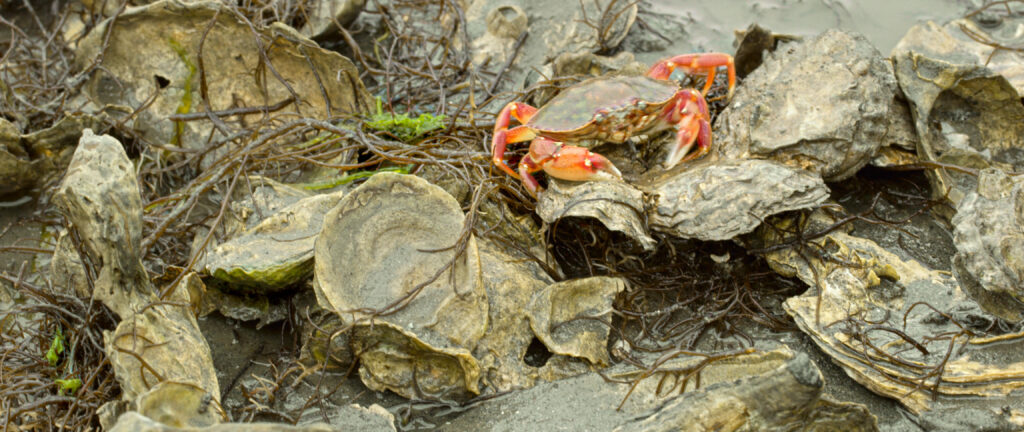
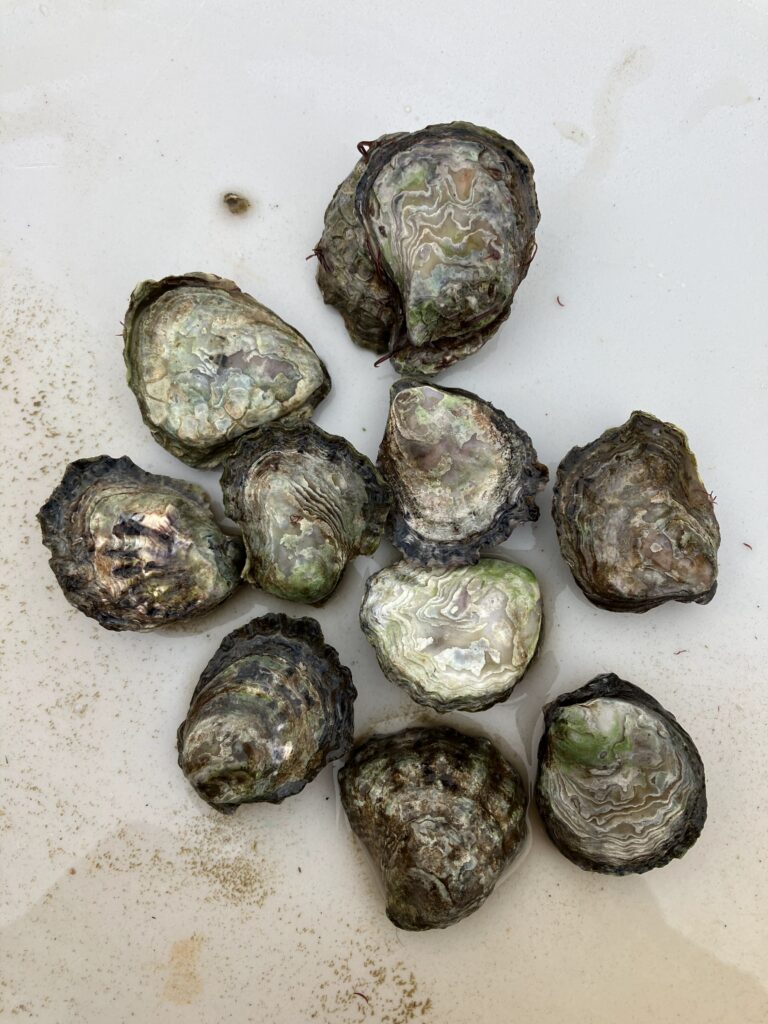
Historically, Puget Sound’s only native oyster—the Olympia oyster—covered an estimated 10,000 to 20,000 acres of intertidal habitat across the inland sea. By 2010, only about 4 percent of that habitat remained.
“The Olympia oyster population has pretty much been erased from Puget Sound,” Toft said. “With that species gone, you’ve essentially shut down a food factory that juvenile Chinook and chum salmon would like to eat from.”
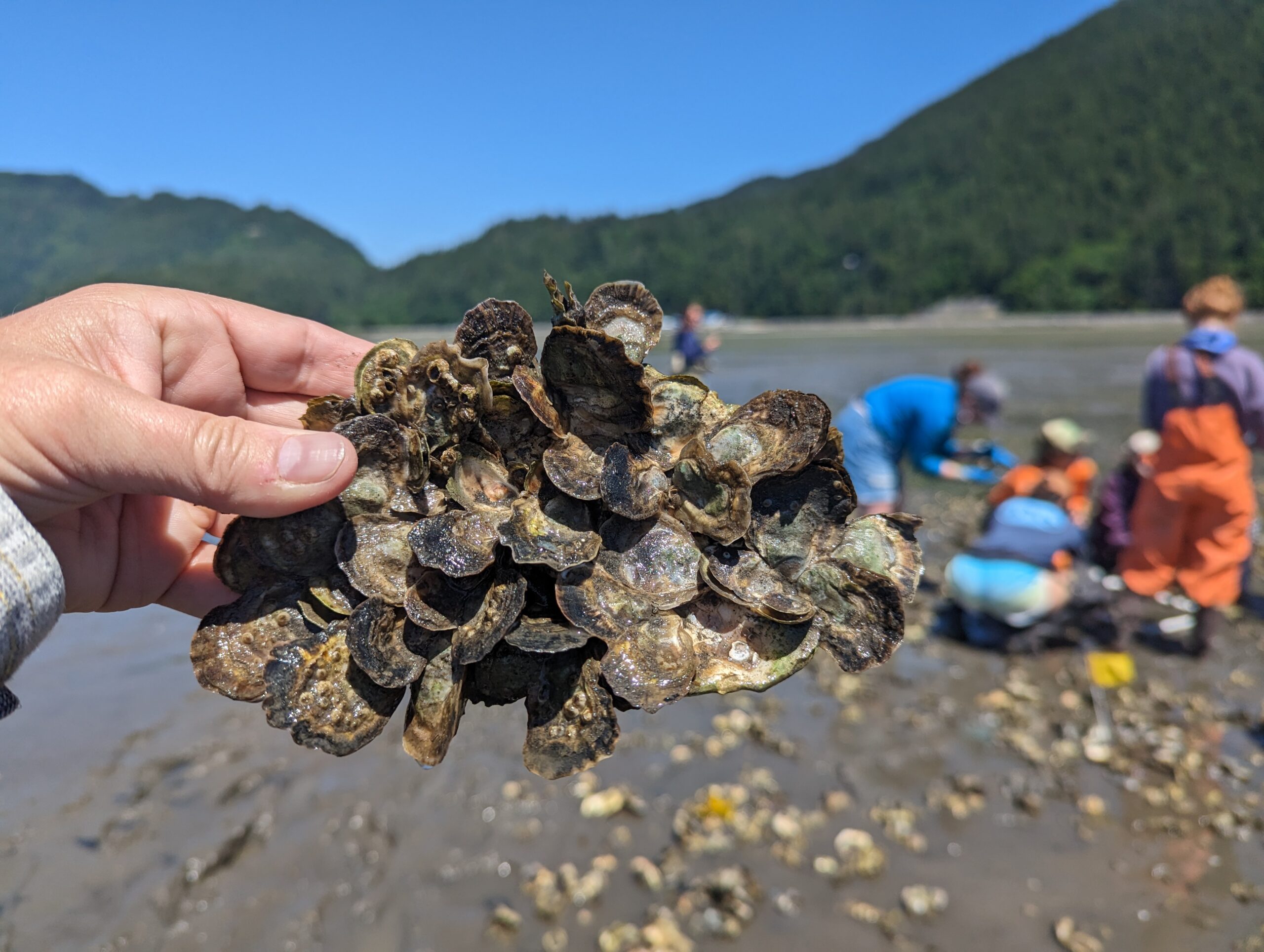
Oyster beds are not simply clusters of shellfish. They are three-dimensional habitat—living reefs that filter water, stabilize sediments and host a diversity of invertebrates. Remove them, and the ecosystem loses both structure and resilience.
Toft frames restoration in terms familiar to investors and business leaders: risk management through diversification.
“I am somebody who, hook, line, and sinker, subscribes to the idea of managing your risk through a portfolio,” she said. “If you don’t have a bunch of different types of organisms doing what they’ve evolved to do, you’re not able to absorb the changes and the risk you see in the marine ecosystem.”
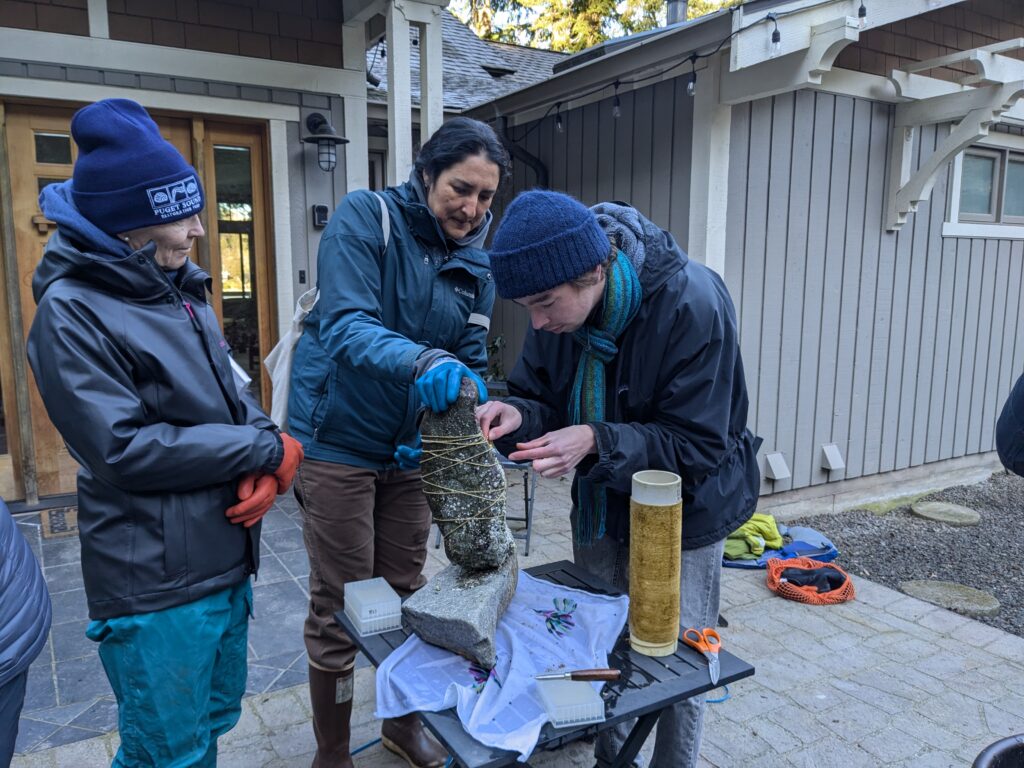
In Liberty Bay, PSRF and partners worked to restore that missing piece of the portfolio. Using a conservation hatchery near Port Orchard, they raise Olympia oyster larvae and deploy them through a “cultch-on-shell” method. Bags of bare Pacific oyster shell are placed in cold tubs, larvae are added, and when ready to settle, the larvae cement themselves onto the shell. Those seeded shells are then spread across tideflats where oysters once thrived.
The work required patience: securing permits, collaborating with tribal and agency partners, working with shoreline property owners, and repeatedly adding shell and seed. Early gains can feel incremental.
“When a population has been decimated, it’s hard to figure out how to celebrate success,” Toft said. “You’re like, wow, we just keep chipping away at it.”
But the results in Liberty Bay have been dramatic. From fewer than 10,000 native oysters, the population is now estimated at 3 to 4 million and growing.
“In a couple of places, like Liberty Bay, we actually think we’re done,” Toft said. “We don’t think we need to do anything else for that population. We’ve started what I call the restoration flywheel. You add some seed, you add some habitat, and then it gets going, and you see exponential growth.”
For restoration professionals—and for funders—crossing that threshold matters. It demonstrates that long-term, science-driven investment can produce measurable ecological return.
“There’s an emotional impact to that for those of us who do this work,” she said. “It sets the bar that you can do it, it’s going to work, and you’re going to see that happen in a pretty short amount of time.”
Regrowing a Forest Underwater
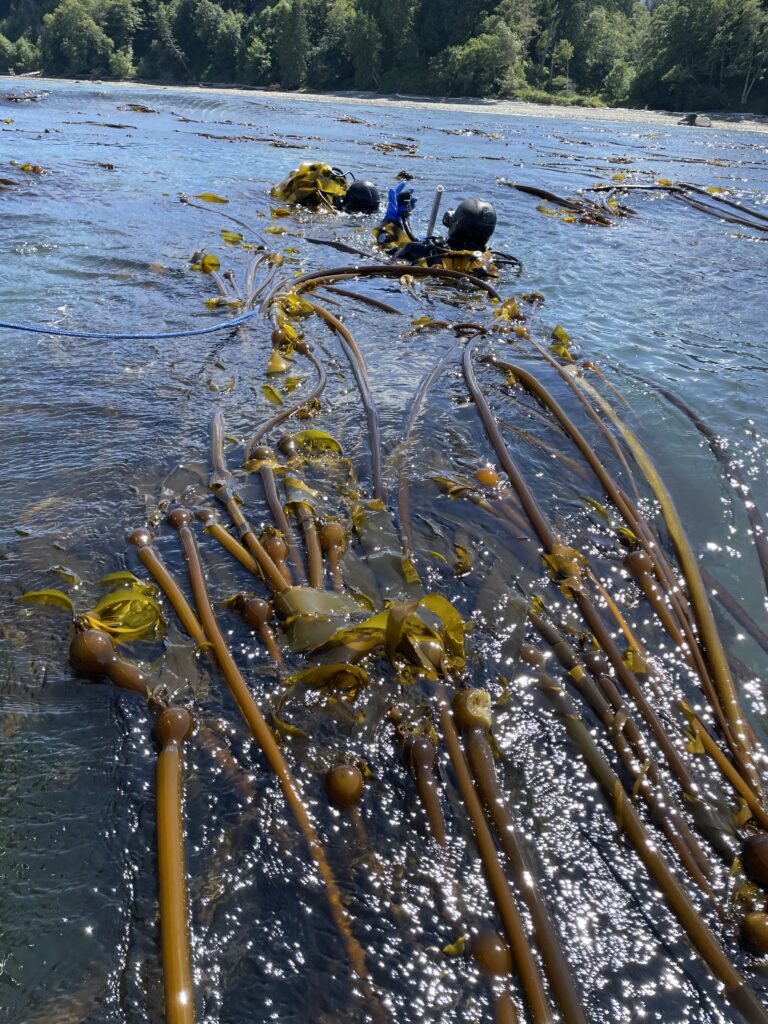
If oysters are the bricks in Puget Sound’s marine architecture, bull kelp is the forest canopy.
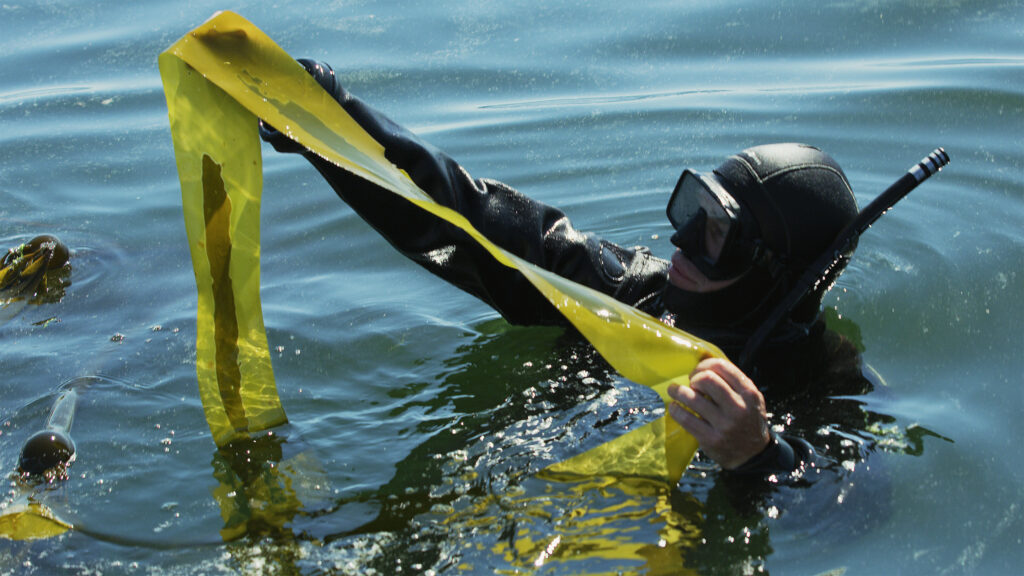
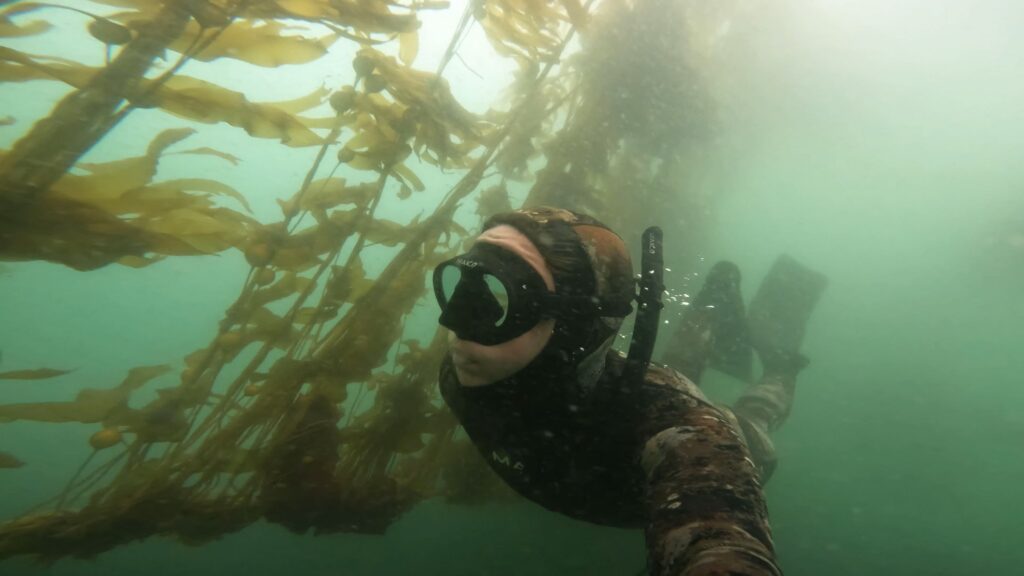
“Bull kelp is our canopy kelp that goes from seafloor to surface,” Toft said. “It’s our forest-builder kelp in Puget Sound. It really is that true forest builder.”
Off Bainbridge Island’s north end near Jefferson Head, historic charts once marked a dense kelp bed. By the early 1990s, it had largely disappeared. The loss carried ecological and cultural weight, particularly for the Suquamish Tribe.
“Leonard Forsman, the chairman of the Suquamish Tribe, said to PSRF, ‘You’re interested in kelp, and I think that you should work on trying to bring this kelp bed back,’” Toft recalled. “We said, ‘Okay, yes, that sounds great. Let’s get to it.’”
“Getting to it” meant years of experimentation: producing bull kelp seed, engineering outplanting systems, navigating marine permitting and iterating through setbacks. In 2020, PSRF and partners outplanted seeded lines on the seafloor.
“For the first time in any of the work that we’ve done, that kelp grew from the seafloor all the way to the surface,” Toft said. “We regrew that canopy.”
Each year since, the kelp has returned, forming what she describes as “kelp curtains.” Natural recruitment—spores reseeding the bed without human assistance—is beginning to take hold.
“We’re seeing more of what we call natural recruitment,” she said. “We still think we have quite a ways to go, but to be able to have these forests in an area where they haven’t been growing for 30 years—that has been huge.”
For Toft, the significance extends beyond habitat metrics.
“It’s the idea that we don’t just have to study things as they go away,” she said. “We can get in there, we can take action, we can bring these forests back.”
Partnerships as Infrastructure
In marine waters, restoration cannot be transactional.
“To do work in water, you really need that work to be born from partnerships, otherwise it won’t be long-lasting,” Toft said.
Unlike terrestrial conservation, marine projects cannot simply rely on land acquisition. Ownership systems are complex. Water moves. Species migrate. Tribal treaty rights shape management decisions.
“Individual tribes are not stakeholders; they’re rights holders,” Toft said. “They’re driving toward a seventh-generation vision of abundance that is place-based for their tribal members and their culture.”
That alignment of long-term vision makes collaboration not just respectful, but strategic. It also reflects a distinctly Washington model of marine governance—one that has produced durable restoration networks.
Funding the Future
Even the most elegant ecological design requires financial infrastructure.
“We have to pay people to do work,” Toft said.
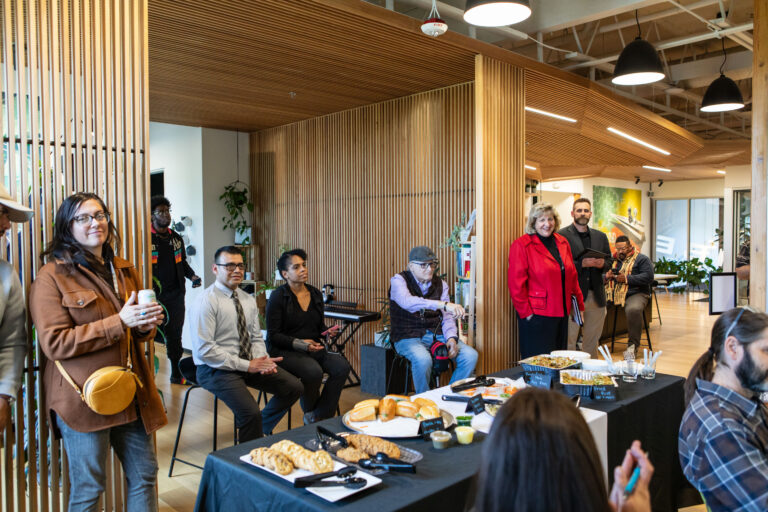
PSRF relies on a blend of federal and state grants, competitive foundation funding, individual donors and mission-aligned events. One such event, Seattle’s annual “Oyster New Year” celebration at Elliott’s Oyster House, raises funds while spotlighting the very bounty PSRF aims to protect.
“All of our events are very food-forward,” Toft said. “Every time you’re coming to an event like that, you should have the opportunity to celebrate the bounty of what these marine waters are giving us.”
Competition for grant dollars, however, is intensifying.
“There are not that many competitive grants out there, and the ones that foundations are putting out are getting absolutely swamped,” she said.
In response, PSRF is thinking more like a green enterprise—seeking cross-sector innovation and circular solutions.
Closing the Loop on Shell
One promising initiative is shell recycling.
In the Pacific Northwest, used oyster, clam and mussel shells from restaurants typically enter the waste or compost stream. Yet those shells are precisely what restoration projects need to rebuild reef structure.
“Each one of those shells is like a sign of alchemy,” Toft said. “A tiny organism has been grabbing nutrients, calcium, all of these things out of the surrounding waters and imaginably turning it into these beautiful shells—and then we throw them away.”
PSRF has begun piloting shell collection, working with restaurants, shellfish growers and regulators to ensure disease risks are minimized. The effort reflects core circular-economy principles: waste reduction, material reuse and local sourcing.
“At the end of the day, I just think this is another place where people can engage,” Toft said.
Scaling Through Community
Another innovation involves workforce development and distributed restoration.
A teacher at the Puget Sound Skills Center in South Seattle approached PSRF about involving students in shellfish restoration. The first attempt faltered.
“It totally didn’t work,” Toft said. “Classic failing forward.”
After refining the system, students achieved high settlement rates of Olympia oysters on shell.
“We had insanely high counts of little baby oysters on the shell,” she said. “Those high school kids knocked it out of the park with their teacher.”
By replicating small hatchery systems in community spaces—such as the Northwest Maritime Center in Port Townsend—PSRF can expand capacity without expanding its physical footprint. The approach increases production while building local stewardship and technical skills.
“There’s a lot of work that needs to be done, and it’s not going to be done by one small nonprofit,” Toft said. “What tools can we give people so they can be real players in marine restoration?”
Sustainability as Commitment
Restoration is iterative. Conditions shift. Not every year is a breakthrough year.
“One thing I wish more people understood is that iteration is a huge part of restoration,” Toft said. “Even if you have a tool figured out, it’s such a variable environment out there that you’re always trying to thread a pretty small needle.”
Sustainability, for PSRF, is not branding. It is duration.
“I think sustainability means a commitment to long-term action,” she said. “That’s what we’re looking to sustain.”
Despite funding uncertainties, ocean acidification and climate pressures, Toft remains optimistic.
“I just see people as invested in this place in such a deep way,” she said. “There is already a really strong connection between people and place, and it’s not hard to do, because this place has so much to offer.”
“The marine ecosystem is remarkably resilient,” she added. “People really love this place and these waters. Those two things combined give us a lot of reason to feel positive and hopeful about what Puget Sound will continue to do for us and with us.”
In an era when environmental headlines often focus on loss, PSRF’s work offers a different narrative—one of practical hope, disciplined science and collaborative green enterprise. It is the quiet work of rebuilding foundations. And beneath the surface of Puget Sound, that work is beginning to hold.