Port of Poulsbo Celebrates 75 Years of Economic Development, Stewardship and Community Connection
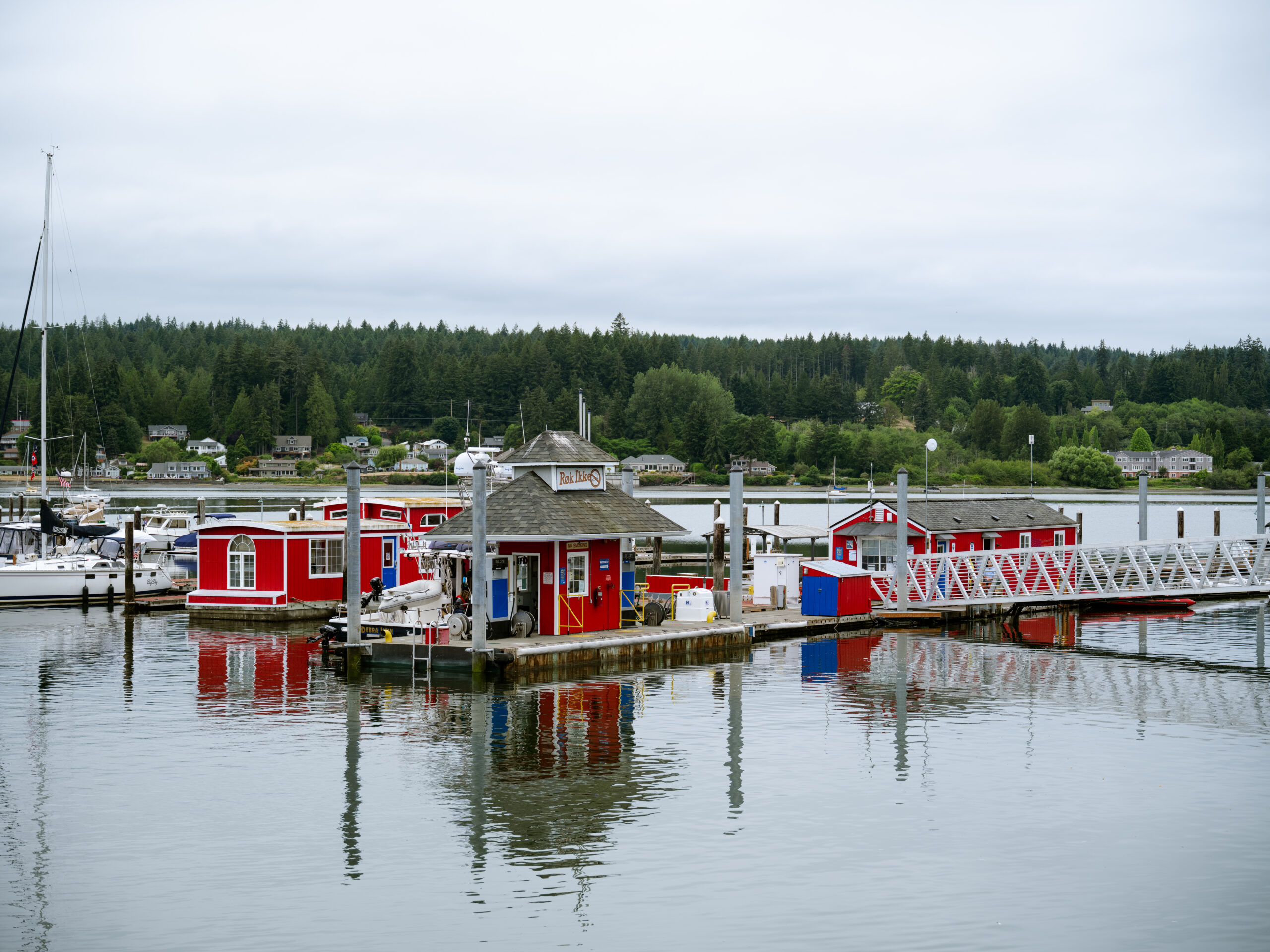
On a summer afternoon, the Port of Poulsbo looks like the picture-perfect small-town marina visitors expect: sailboats bob in Liberty Bay, kayakers glide past the breakwater and tourists stroll the docks before heading to Front Street. But behind the postcard setting is a public agency that does far more than manage boat slips.
The Port of Poulsbo is an economic development engine, a steward of the waterfront, a tourism driver and a partner helping shape the city’s future.
“Ports are not just about marinas,” Port of Poulsbo Executive Director James Weaver said. “They are really about bringing a community together, being a catalyst, and working together towards boosting the entire community.”
As the port celebrates its 75th anniversary, Weaver is focused on expanding that mission. From attracting cruise ships and investing in marina infrastructure to protecting Liberty Bay and strengthening community partnerships, he sees the port not simply as a waterfront landlord, but as a catalyst for economic growth and quality of life.
“The Port of Poulsbo succeeds when our community succeeds. If our waterfront is vibrant, our businesses are thriving, our maritime traditions are preserved, and visitors leave wanting to return, then we’re fulfilling the mission entrusted to us seventy-five years ago,” he said.
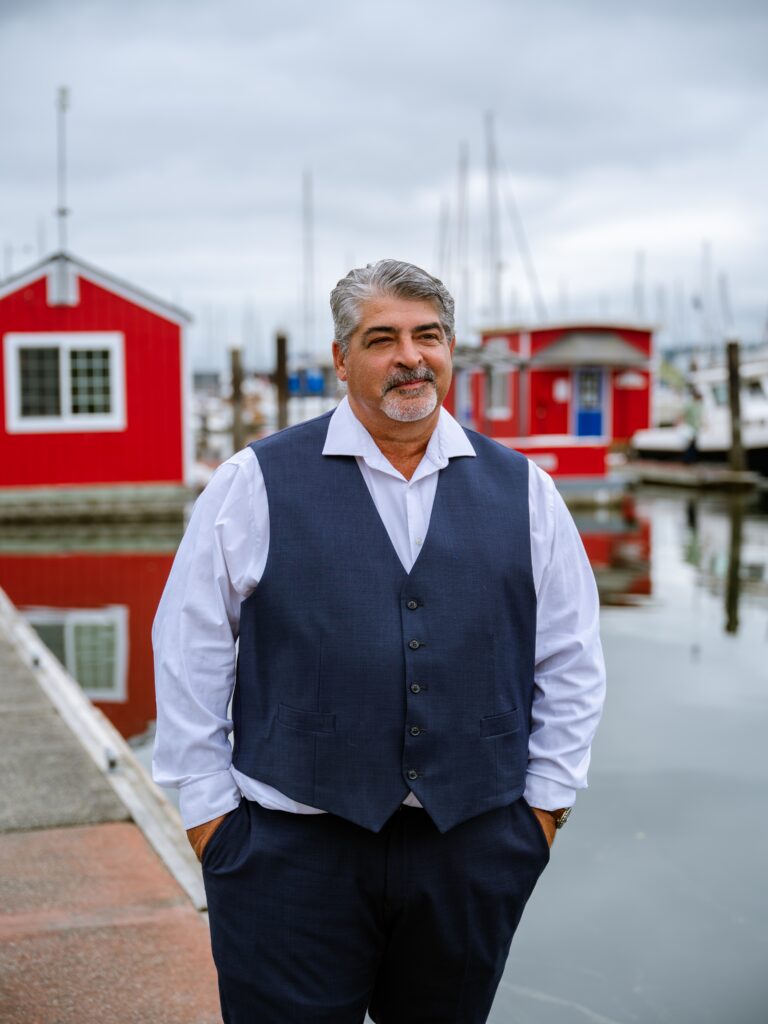
A Small Government With a Big Mission
The Port of Poulsbo is a small municipal government with its own taxing authority and three elected commissioners, but Weaver sees its role as extending far beyond marina operations.
“We are essentially under a municipality type of organization,” he said. “We really treat it as a collaborator. We are the catalyst between the private businesses, between the city, and between the nonprofits in the area, bringing things together, focusing funding, and making sure that our community can thrive.”
That collaboration centers on economic development.
“Economic development is our biggest mission. That’s what we do, and tourism is a big part of that in Poulsbo,” Weaver said.
While many residents associate the port with recreational boating, it continues to support a working waterfront and commercial fishing fleet.
“We were initially founded as almost a commercial port. It was predominantly gillnet and small fishing vessels back in the ’50s,” Weaver said. “It’s been transitioning to a recreational marina ever since then, but we still have a very strong working waterfront that we maintain and support.”
The port ensures commercial fishermen have access to the wharf for unloading and offloading while also balancing public access to the waterfront.
“Our citizens are number one. We are here solely for our citizens,” Weaver said. “We always provide access to the waterfront. All these docks are open to the public… and then ensuring our commercial activity can continue, we really do everything we can to foster our fishermen.”
Expanding Tourism Opportunities
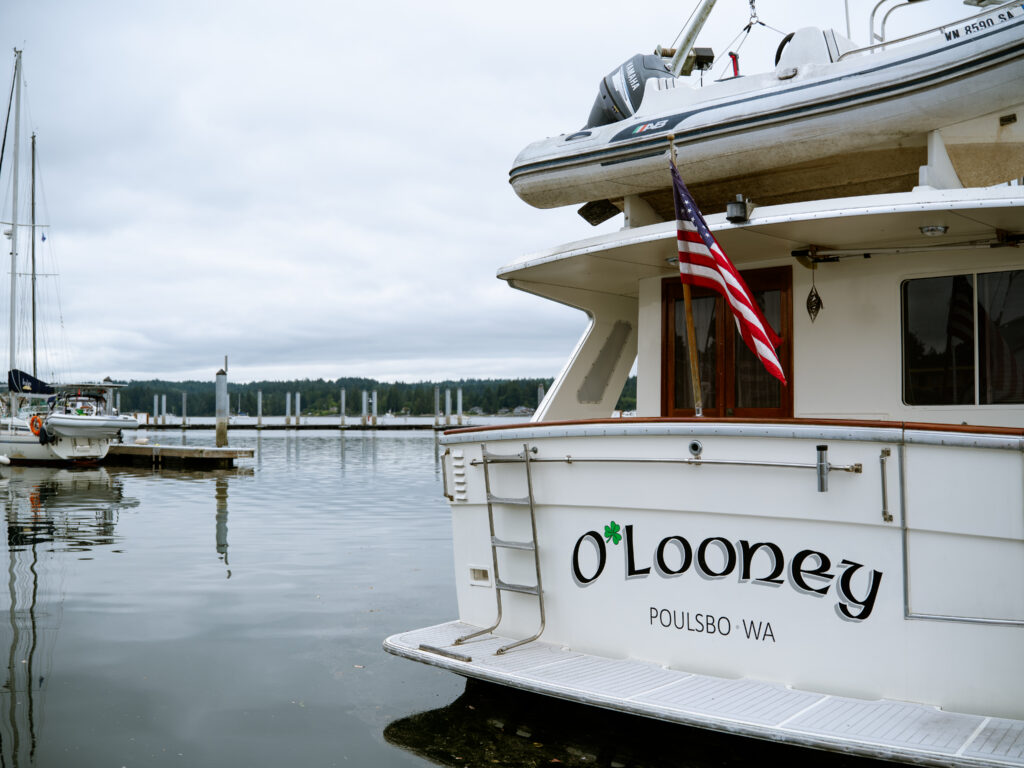
Tourism has become one of the clearest ways the port supports economic development. In 2024, the port completed a $9 million breakwater project that transformed the marina’s outer edge into a large-vessel facility.
“It was the biggest thing the port’s done,” Weaver said. “It has now become kind of our premier large vessel facility.”
The expansion has opened the door to negotiations with American Cruise Lines, which Weaver hopes will bring approximately 50 stops to Poulsbo next year.
“Most recently, we’ve been negotiating with American Cruise Lines to be the next stop of the small cruise ship tourism industry,” he said. “We’re looking to have about 50 stops next year at our breakwater, bringing people from all over the world.”
Each ship carries roughly 200 to 300 passengers, creating new opportunities for downtown restaurants, shops and attractions without increasing demand for city parking.
“Bremerton did a great economic development impact study that showed that about every boater brings anywhere from $100 to $400 per person per day to the local economy,” Weaver said. “Most of that’s restaurants and bars and the activities on the waterfront, and so that’s something that we contribute, bringing the cruise ship in.”
“There’s about 200 people per cruise ship spending money from all over the country and bringing it here to Poulsbo,” he said, “and they’re not parking cars.”
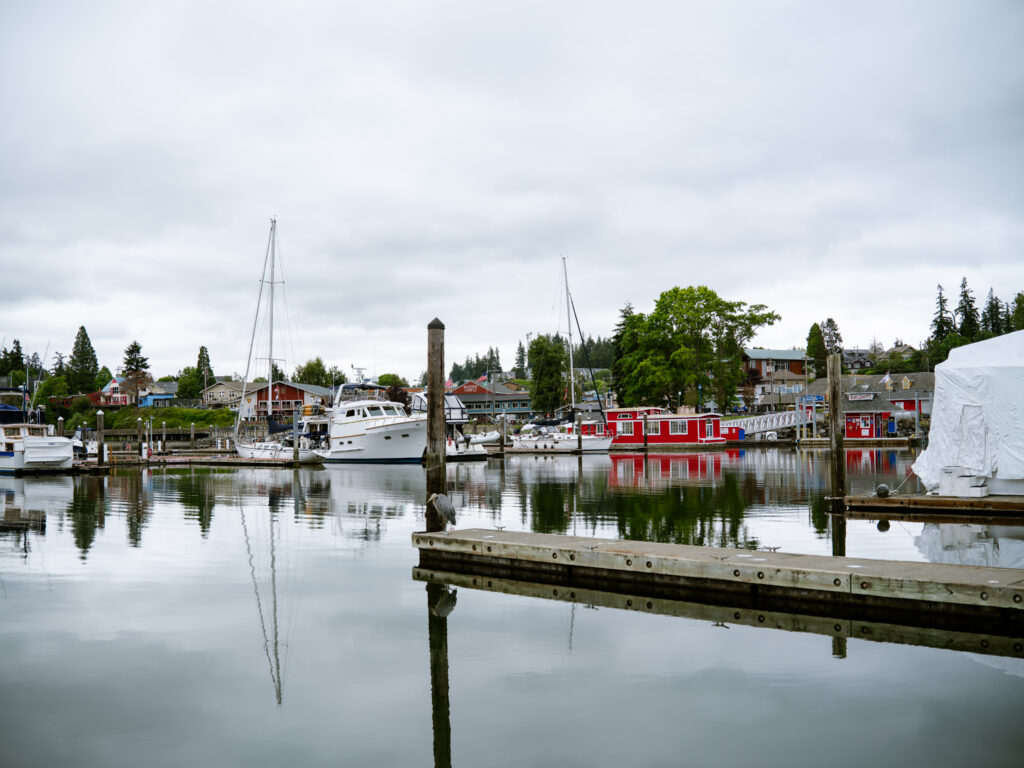
Creating Signature Experiences
Beyond cruise tourism, the port is investing in experiences that make Poulsbo unique among waterfront destinations.
“Creating a unique experience is kind of our focus,” Weaver said. “If you look at travel, people are looking for a unique experience, and Poulsbo has that in spades. We’re trying to elevate that even more.”
The port works with businesses including Freedom Boat Club, which offers fractional boat memberships, and Olympic Outdoor Center, which provides kayak and paddleboard rentals and guided tours.
These partnerships help connect visitors with the waterfront while supporting local businesses.
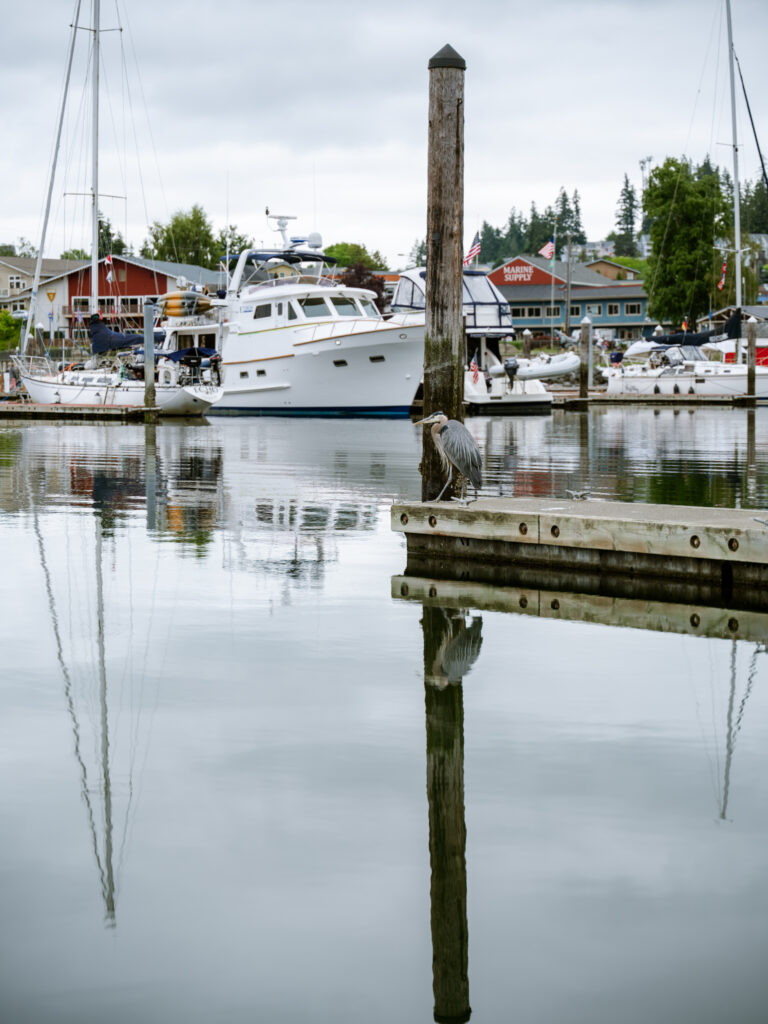
Planning for the Future
As the port looks ahead, it is also preparing for changes in boating, technology and infrastructure needs. Its updated 10-year comprehensive plan outlines major capital investments, including replacing aging docks and adapting facilities for future boaters.
“Some of that includes upgrading our existing docks, which were built in the ’90s,” Weaver said. “Saltwater is very destructive on all these facilities, and it is incredibly costly to replace all these structures with the environmental requirements and permitting.”
The boating industry itself is changing, requiring ports to rethink how they serve future generations.
“The business model is changing for boating,” Weaver said. “Boaters are getting much older and older. It was a demographic that really tied itself with the boomers, and as they begin to retire, you’re seeing less and less boaters, or it’s polarizing to younger boaters with trailer boats, smaller boats, or the 100-footer boats. There’s not really a strong middle as there used to be, and that’s something that we have to adapt to.”
Technology is also influencing future planning.
“We have few electric boats now,” Weaver said. “There are all new technologies that these [docks] were never designed for. So we’re trying to future-proof our marina to be able to accommodate the future for electric boats.”
Another major project will replace aging upland facilities by moving fuel tanks from the existing floating fuel barge and constructing a new welcome center and port offices designed around Poulsbo’s Norwegian heritage.
“We’re going to be moving our fuel tanks upland and combining that with a new welcome center and the port offices combined into that,” Weaver said. “It will be a very Norwegian-themed welcome, so that when you are approaching Poulsbo from the water, you are approaching it in a very unique way that is memorable.”
The project is part of a broader effort to create a more welcoming waterfront experience.
“We pretty much pulled out all the stops to get the breakwater built and a new boat ramp, and did a number of capital facilities in the last five years,” Weaver said. “We’re in a rebuilding stage right now.”
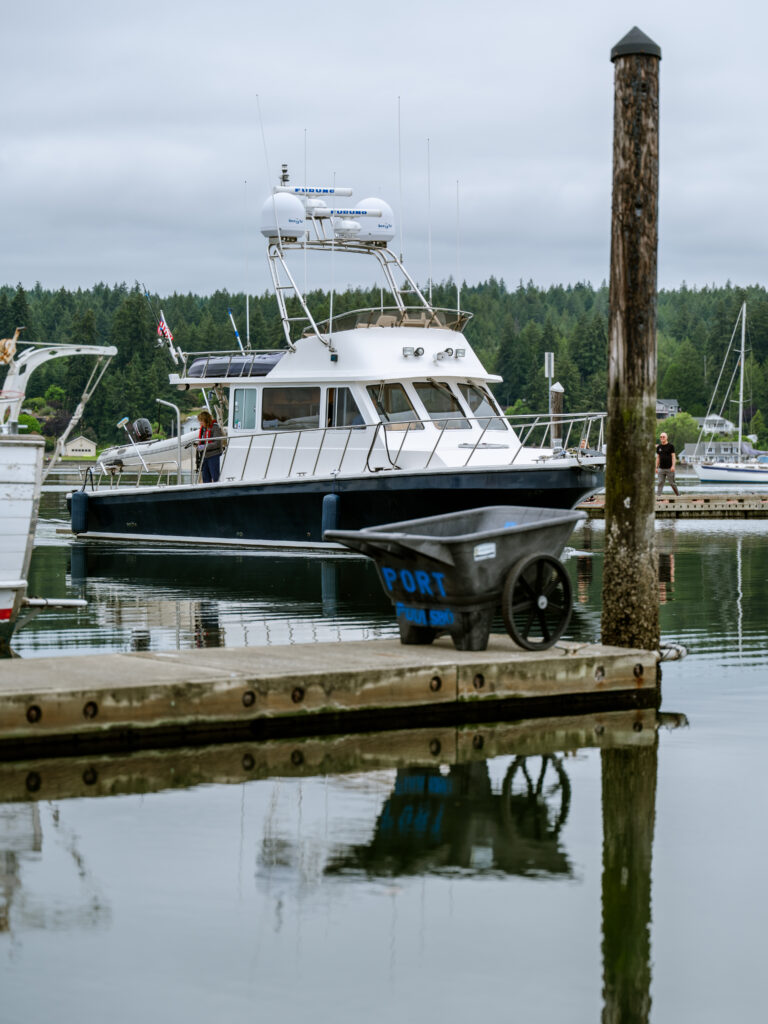
Protecting Liberty Bay
Economic development is only part of the port’s mission. Protecting the health of Liberty Bay remains a priority.
The port partners with the SEA Discovery Center and Western Washington University to support marine research, environmental education and public programs.
“They have a boathouse at our facility, and we set up intake lines and facilities to help them with fresh seawater coming into their tanks,” Weaver said. “We do a lot of children’s programs together with them. They do testing on the docks that we work together on, and then they do a lot of interpretive and school program activities.”
The port also helped secure funding for a Clean Vessel Act pump-out boat that provides free service to anchored and moored vessels in Liberty Bay, helping prevent sewage from entering the water.
“It keeps the bay from filling up with outfall from toilets and such on those vessels,” Weaver said.
Another ongoing challenge is addressing derelict and abandoned vessels before they become environmental hazards. The port recently helped advance state legislation aimed at streamlining removal efforts while working with law enforcement and social service providers to address the needs of people living aboard those boats.
Built on Relationships
Weaver’s vision for Poulsbo’s waterfront is shaped by decades of public service and maritime experience. Before joining the Port of Poulsbo nine months ago, he spent eight years with the Port of Bremerton overseeing the Port Orchard and Bremerton marinas. He previously served as a building official, planning director and county planner.
“My grandfather used to say, ‘You can’t know where you’re going until you know where you’ve been,’” Weaver said.
That philosophy guides his approach to leadership today, emphasizing collaboration between government, businesses, nonprofits and residents.
“The city has been an amazing partner for the port, trying to work where government actually helps others,” he said. “We support each other. We write letters for their projects and support their grants and their capital improvement projects, and they do the same for us.”
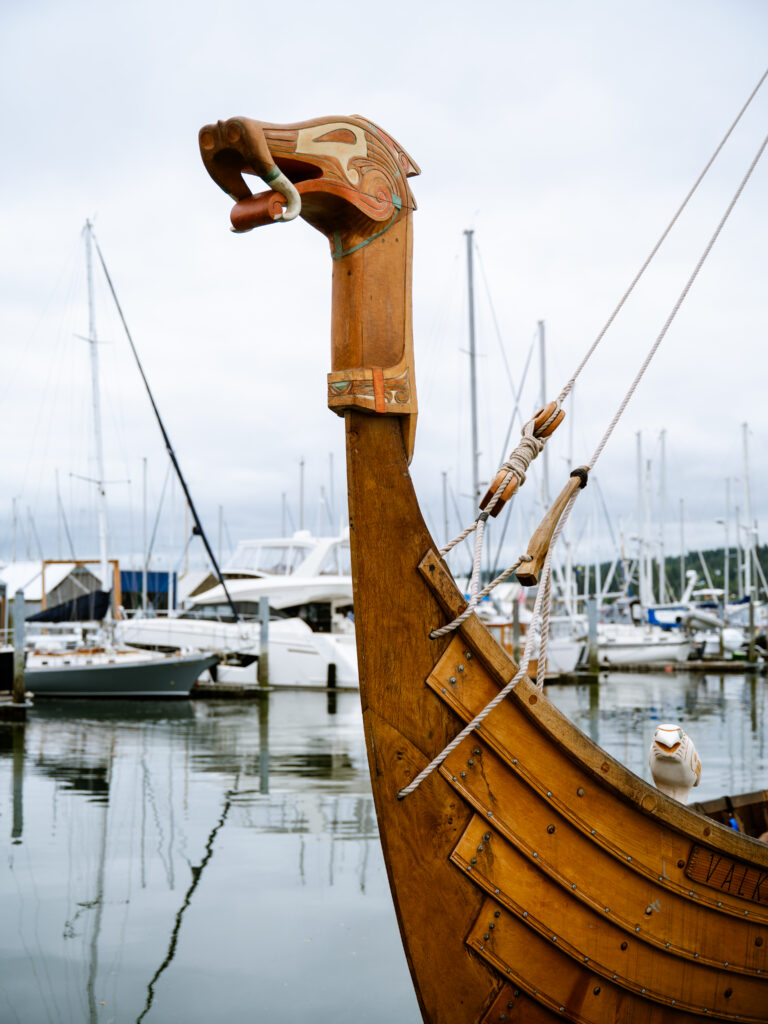
The port’s partners include the City of Poulsbo, Poulsbo Historical Society and Maritime Museum, Poulsbo Downtown Association, Sons of Norway, Rotary and other community organizations.
“Poulsbo has this unifying aspect that just binds us all together,” Weaver said. “We’re stewards here. We know that we are caring for something bigger than ourselves, and it’s a big deal.”
As the Port of Poulsbo looks toward its next 75 years, Weaver believes its responsibility remains the same as when it was founded: protecting public access to the waterfront while helping the community prosper.
“Ports are catalysts for so much more,” he said. “We focus on economic development and access to the water, but we are catalysts for so much more than that.”
For those who have only driven past Poulsbo on Highway 305, Weaver has one final suggestion.
“They need to come visit Poulsbo on the waterfront if they never have,” he said. “It’s a gem here that not many people know about.”
Keep in touch with our news & offers
Subscribe to Our Newsletter
Thank you for subscribing to the newsletter.
Oops. Something went wrong. Please try again later.