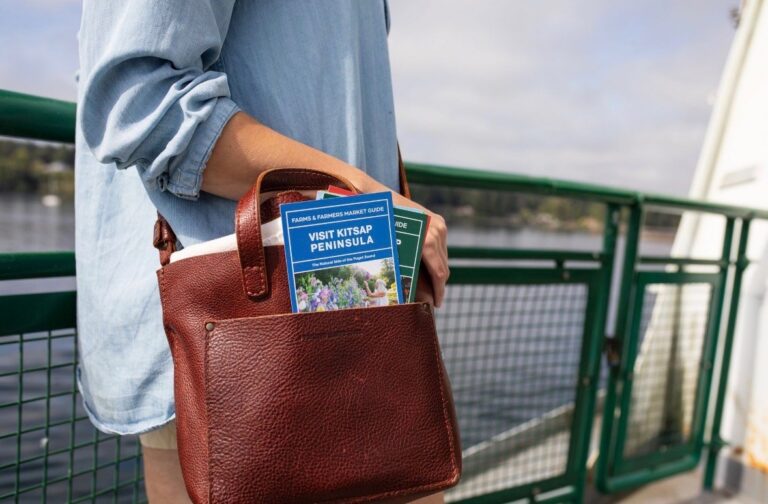
Anna Bressi discusses building an independent restaurant in Bremerton, creating a workplace where employees can grow, responding to changing customer preferences and the opportunities she sees for the city’s business and dining community.
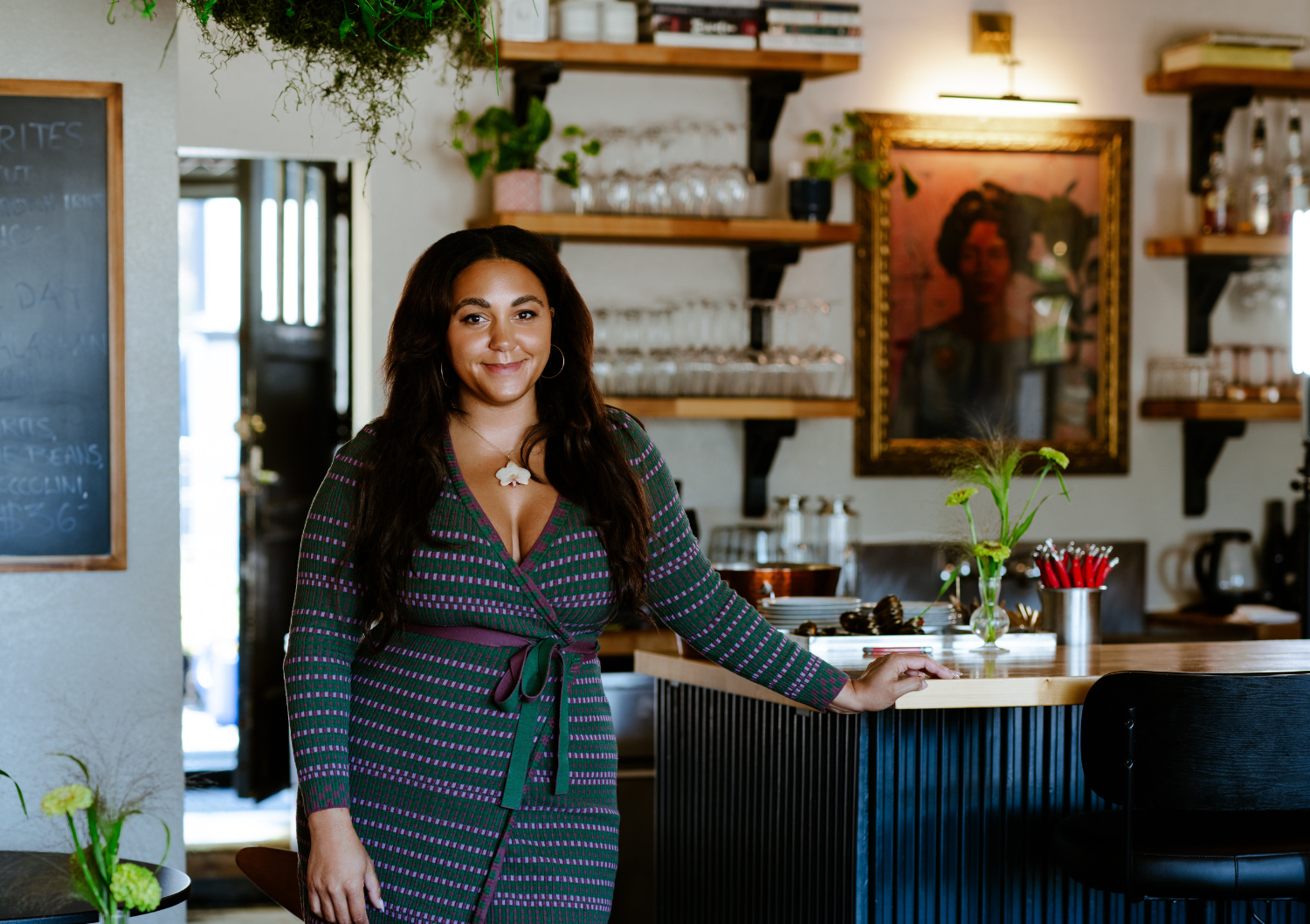
When Anna Bressi and her fiancé, executive chef and co-owner John Hall, opened Restaurant Lola in Bremerton, they wanted to create the kind of neighborhood restaurant they wished they had in their own community. Today, Lola has become a destination for diners from throughout Kitsap and the surrounding region, with a loyal base of returning customers.
As Lola’s managing partner, Bressi oversees the business side of the restaurant while working alongside Hall to shape its direction and growth. From building a dedicated team to developing pop-ups, catering and special events, she has embraced the opportunity to continually evolve the business while staying focused on hospitality and creating a welcoming experience.
In this month’s Executive Q&A, Bressi discusses building an independent restaurant in Bremerton, creating a workplace where employees can grow, responding to changing customer preferences and the opportunities she sees for the city’s business and dining community.
What made you decide to open Restaurant Lola in Bremerton, and what did you see in the city that made you believe the restaurant could succeed here?
Restaurant Lola came to Bremerton almost by happenstance.
We had spent about nine months developing a project in Port Townsend and finally reached the point of reviewing plans with the city. It was in a historic building, and the only viable route for a hood involved going up several stories. Suddenly we were looking at several hundred thousand dollars in infrastructure before we had even really begun. I was four months pregnant with our son, Luka, I had recently been laid off, and John was remotely managing a small group of pizza restaurants he owned in Alabama. The project just stopped making sense.
We were pretty dejected. But I had bought a small house in Bremerton, my hometown, the year before, and we were constantly complaining about the limited number of places around us where we actually wanted to eat. At the same time, the pop-ups we were doing around the Sound were drawing a surprising amount of interest from Kitsap and North Pierce County.
So we thought: what the hell, let’s see what’s here.
I posted in Kitsap County Dining on Facebook—love it or hate it—and essentially said, “If you own a restaurant and want to offload an operating concept, call me.” About 30 restaurant owners responded, which probably should have terrified me. Instead, we saw opportunity. We toured around eight spaces and ultimately took over a fast-casual restaurant called The Salad Shack from a woman named Lanette in the Sheridan Village/Manette area.
So Lola was really the intersection of timing, demonstrated consumer interest and a very personal desire to build the kind of neighborhood restaurant we wanted for our own friends and family.
Opening an independent restaurant is a significant financial and personal risk. What gave you the confidence to make that bet, and were there moments when you questioned it?
This probably isn’t the romantic answer, but: money.
We were able to open Lola without taking on debt. I’ve spent much of my career in high-pressure corporate tech roles, living below my means and saving pretty aggressively. I knew enough about restaurant economics to understand that a 20-seat restaurant was unlikely to make us rich. I needed to know that if it struggled (or failed) we could absorb the financial risk without destroying our family financially. I’m never going to be the girl who takes out a second mortgage to make it.
The personal risk was much harder.
We opened Lola three months after I gave birth to our first and only child. John had to be deeply involved in the restaurant day-to-day, which meant I spent a significant portion of my first year of motherhood carrying the home and parenting side largely on my own while also maintaining my corporate career.
There were absolutely moments when I questioned whether it was worth it. There still are. Entrepreneurship gets talked about as this brave, exciting thing, but most of the real sacrifice is incredibly unglamorous. It’s time with your family. It’s sleep. It’s attention. It’s being the person who carries the risk when everyone else gets to go home. I still maintain a 50+ hour per week corporate career, now at Pinterest, alongside being an entrepreneur and mother.
In short, financial discipline gave us the ability to make the bet. The harder lesson has been understanding what you’re willing to sacrifice personally to keep making it.
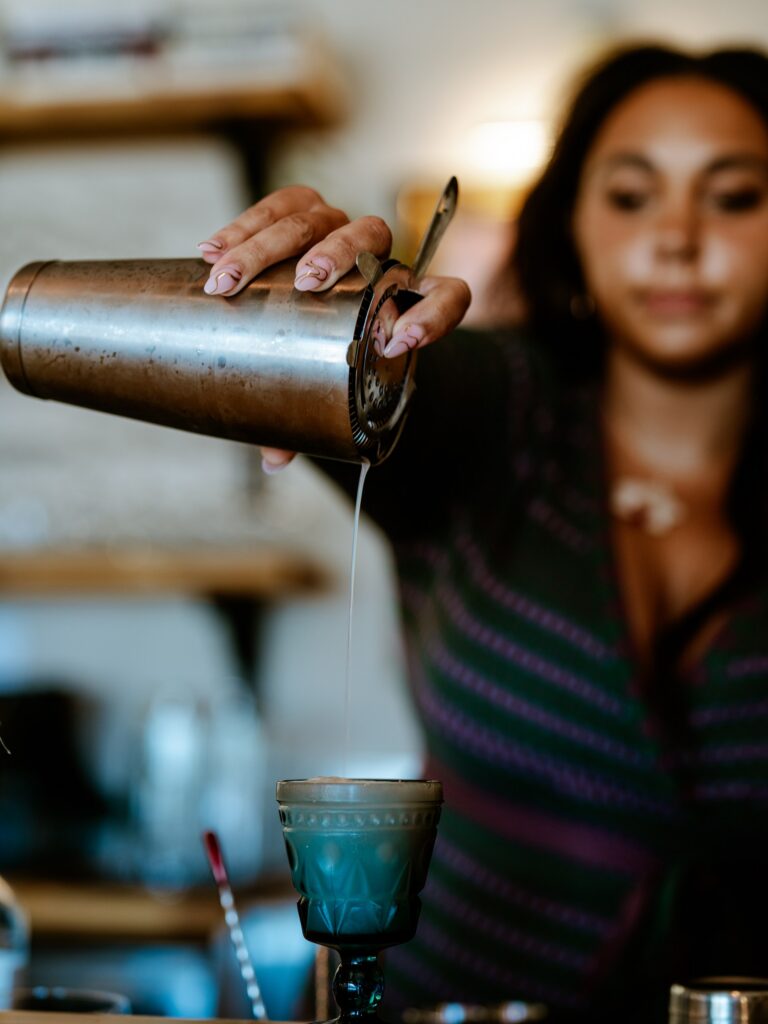
When you opened Lola, what did you want it to contribute to Bremerton and the broader Kitsap dining scene?
More than anything, we wanted Lola to be a place where people felt a sense of belonging.
We were labeled “fine dining” pretty early, but that was never really the goal. Lola should feel like your rich auntie’s house: warm, cozy, generous, a little bit nicer than home, but never intimidating.
We also wanted people here to have access to exceptional ingredients without feeling like they had to go to Seattle to find them. From the beginning, we’ve tried to build around the Western Washington food system as much as possible—local farms, local producers and the incredible ingredients already available in this region.
I think the best neighborhood restaurants give a community both familiarity and aspiration. You should feel comfortable walking in, but you should also be able to experience something you might not make for yourself at home.
How has the business evolved from your original vision, and what have you learned that you didn’t anticipate when you opened?
It has evolved in ways we couldn’t possibly have predicted.
One of the biggest is that Lola became categorized as “fine dining,” which was never really our intention. And instead of fighting the market on that forever, we’re going to respond to what it’s telling us. Early next year, we plan to evolve the physical restaurant into a much more value-oriented concept—more accessible pricing, more generous portions and something people can realistically work back into their regular dining routine.
That’s probably the biggest thing ownership has taught me: you cannot become emotionally attached to the original version of your business.
We’ve also had to respond to regulatory realities we didn’t anticipate. Losing our private dining room, for example, materially changed part of our business model.
Then there are the surprises you’re happy to have. Our pop-up programs became far more popular than we expected. Our 4/20 dinner is one of our busiest nights of the year, and it started almost as a joke. We’ve also developed an extraordinarily loyal base of regulars. If you had told me when we opened that, in some months, roughly 60% of the people walking through the door would be returning guests we recognize, I would never have believed you.
Organizationally, we originally imagined having more middle management. In a restaurant this small, that structure just hasn’t made sense. It means John and I have remained much more operationally involved than we expected.
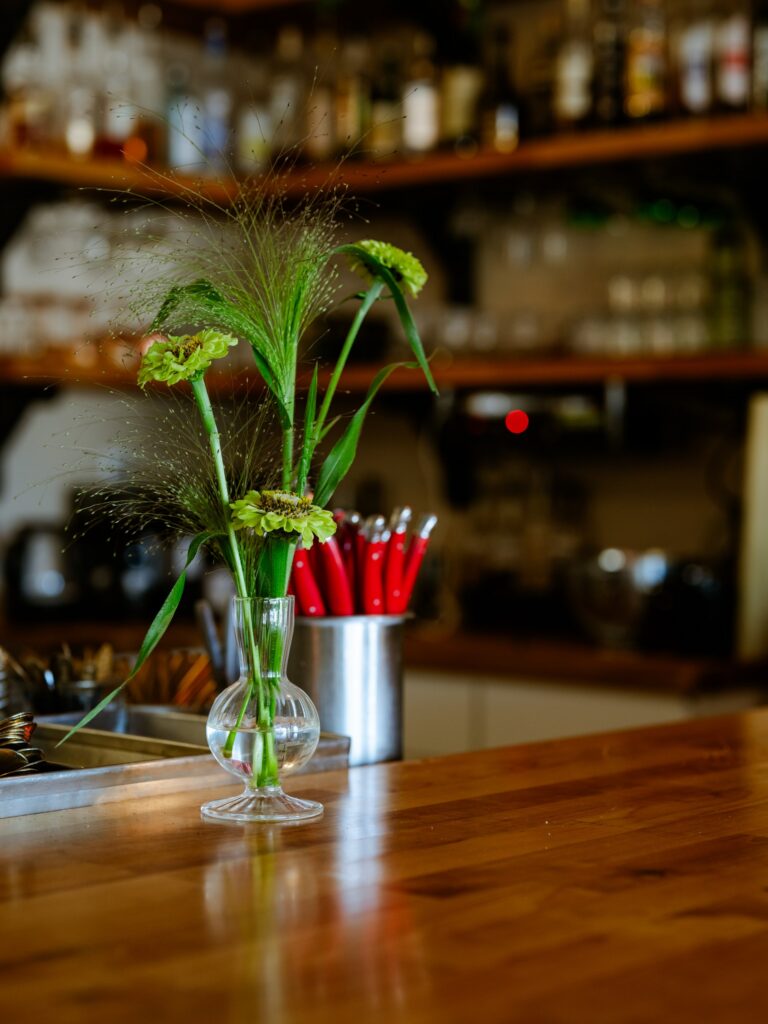
And one of my favorite evolutions has been our partnership with Manette Flower Co. I admired her work before Lola existed, and bringing her into the restaurant shortly after opening became an important part of the identity of the space. She gives Lola its sparkle.
Your original business plan is a hypothesis. Eventually the market tells you what the business actually needs to become. You just have to be willing to listen.
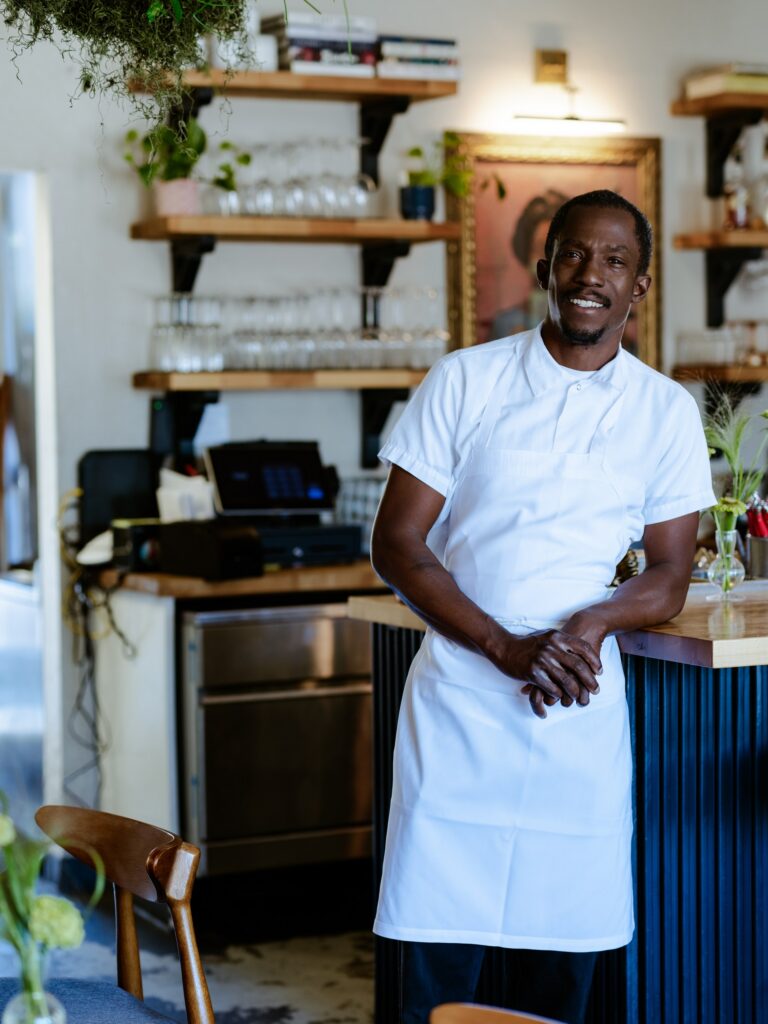
What are some of the biggest challenges facing independent restaurants today that customers may never see from the dining room?
Costs, consumer price sensitivity and staffing—and all three are colliding at the same time.
Our utility costs are roughly 200% of what they were last year. Interestingly, because we buy so much locally, our local food costs have remained relatively stable. But imported products, alcohol and many of the other inputs required to operate have increased significantly.
Being on the peninsula adds another layer. We simply don’t have the same depth of purveyors and distributors you have in Seattle, so there’s less competition and less flexibility when costs rise.
At the exact same time, customer behavior has changed dramatically. We’re serving more than 100 fewer guests per month than we were previously. What’s interesting is that the guests who do come are often spending more when they’re here. That data tells me something important: dining out has shifted from a routine to a splurge.
Two years ago, Lola might have been somebody’s weekly date night. Now that same couple may come once a month or once a quarter, but when they do, they order the bottle of wine, dessert and the extra course. They’re still willing to spend – they’re just spending much less frequently.
And then there’s labor. Hospitality is hard work, and fewer people are choosing it as a career. No one at Lola makes minimum wage—no one ever has—and our team receives paid time off. But we also ask a lot of them. Our front-of-house staff needs wine knowledge, food knowledge and bartending ability. Our back of house is making sauces as complex as they’d be making in a Michelin star restaurant in New York because that’s John’s background. In a smaller labor market, there are a lot of restaurants competing for a relatively small pool of experienced people. We actually share several employees with other restaurants.
The dining room can feel effortless on a Saturday night. The economics behind making it feel effortless are anything but.
How do you approach pricing when food and labor costs are rising but customers are also increasingly sensitive to what they pay?
You have to protect value. There’s really no way around it.
There are dishes people associate with Lola – our collard green ravioli with oxtail, scallops over wild rice, handmade apple tarts – that I love and guests love, but that simply don’t make economic sense on the menu at their current cost.
So we make choices.
We’ve reduced parts of our pasta program. We’ve invested in equipment that reduces labor. We constantly audit prep, purchasing, menu mix and execution to understand where we can take cost out without taking hospitality out.
We’ve also introduced dishes like steak frites that are relatively straightforward to execute, have a cost structure we can sustain and still feel generous to the guest. And customers love them.
The answer cannot always be, “Raise the price.” At some point you’ve exceeded what your market can—or wants to—support. Good operating means designing a product people are excited to buy at a price that still allows you to be there next year.
What have you learned about margins, profitability and the economics of running a restaurant since becoming an owner?
What margins? lol
But really, the biggest thing I’ve learned is that you cannot mistake revenue for health, and you cannot look at one metric in isolation.
Right now, for example, our utilities are roughly 200% of what they were last year and we’re serving more than 100 fewer guests per month. At the same time, average spend among the guests who are coming has increased.
If I only looked at average check, I might say, “Great, people are spending more.” But that would completely miss the larger behavioral change: Lola has moved from being a weekly or monthly habit for many people to being an irregular splurge.
That changes the economics of the entire business.
It means you have to rethink menu mix, labor, hours, programming, purchasing—even what the concept itself should be.
Almost nothing in a restaurant can be “set and forget.” Profitability isn’t one brilliant decision. It’s hundreds of relatively unglamorous decisions made repeatedly and with discipline.
And sometimes the most important financial decision is recognizing that the market has changed before your P&L forces you to admit it.
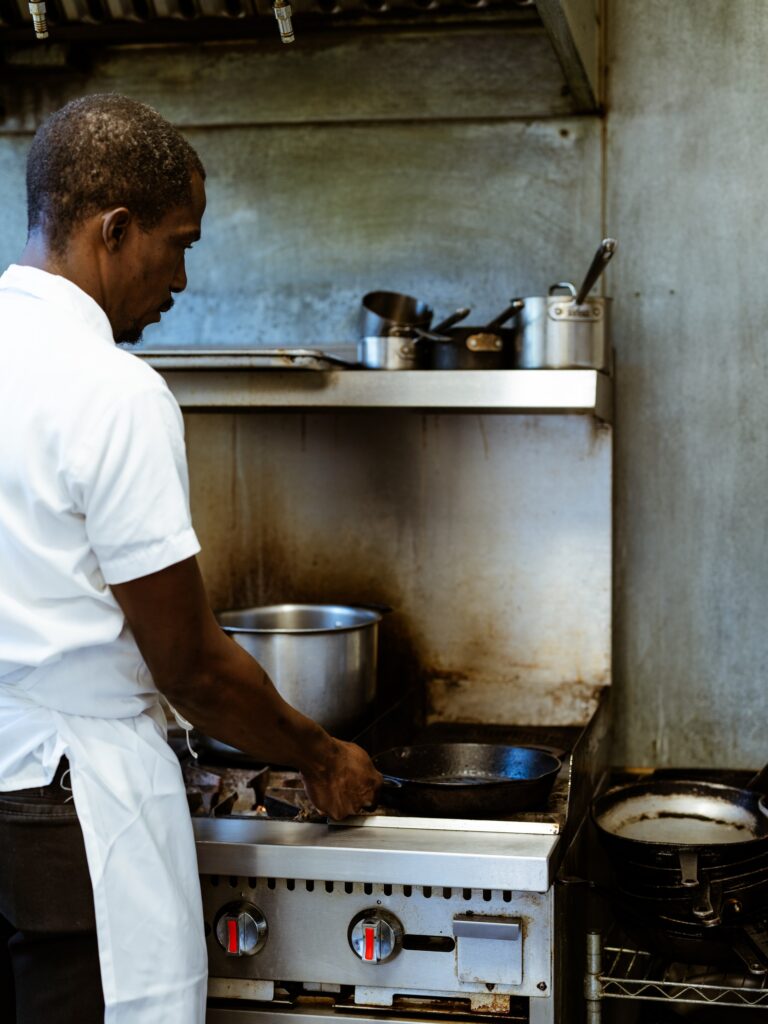
What have you learned about recruiting and retaining good employees in Kitsap County? What does it take to build a team people want to stay with?
I think employers sometimes make this more complicated than it needs to be. You have to treat people like human beings.
Pay people as much as the business can responsibly afford. Give them paid time off so they can actually rest. Remember that we’re not curing cancer – we’re serving dinner. The work matters, but no plate of food is worth treating someone poorly. I’ve never met a chef or operator talented enough for me to look beyond how they treat their staff (and I’ve met some really talented folks).
And give people room to grow.
Most of our employees had never worked in a Lola-style restaurant before joining us. Our kitchen manager had never worked in a restaurant at all, and he’s second in command below John and I as owners. Someone has to be willing to give talented people their first real opportunity.
That also means accepting that people will make mistakes. If you want to develop talent rather than simply buy talent (which isn’t around to buy in our county even if you wanted to), you have to coach diligently, set clear expectations and allow people to fail safely enough that they can learn.
There is enormous talent in your own community. Sometimes leadership is simply being willing to see it before someone else does.
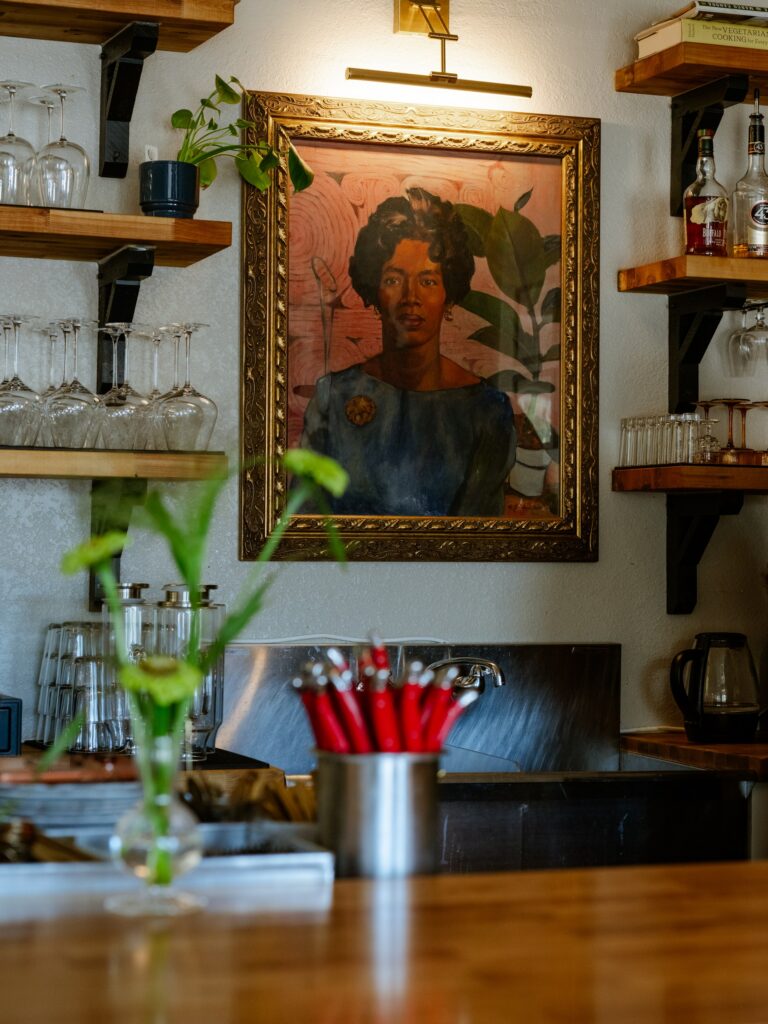
What kind of workplace culture are you intentionally trying to create at Lola, and how does that translate into the experience customers have?
I want Lola to feel welcoming, curious and transparent – for the people who work there and the people who dine there.
Internally, we try to explain the “why.” Why is this ingredient from this producer? Why did we change this process? Why did I make this business decision? No one is above being questioned, including John and me.
We also talk a lot about entry points.
For employees, that might mean staging or picking up shifts before joining the team permanently. They get an opportunity to understand us, and we get an opportunity to understand them.
For customers, entry points might be steak frites or pan-roasted chicken. Not everyone walks into Lola ready to order shrimp and grits, morel agnolotti or ratatouille. That’s okay. Hospitality shouldn’t be a test of whether you understand the menu.
The culture we want is: come in, get comfortable, ask questions and participate at whatever level makes sense for you.
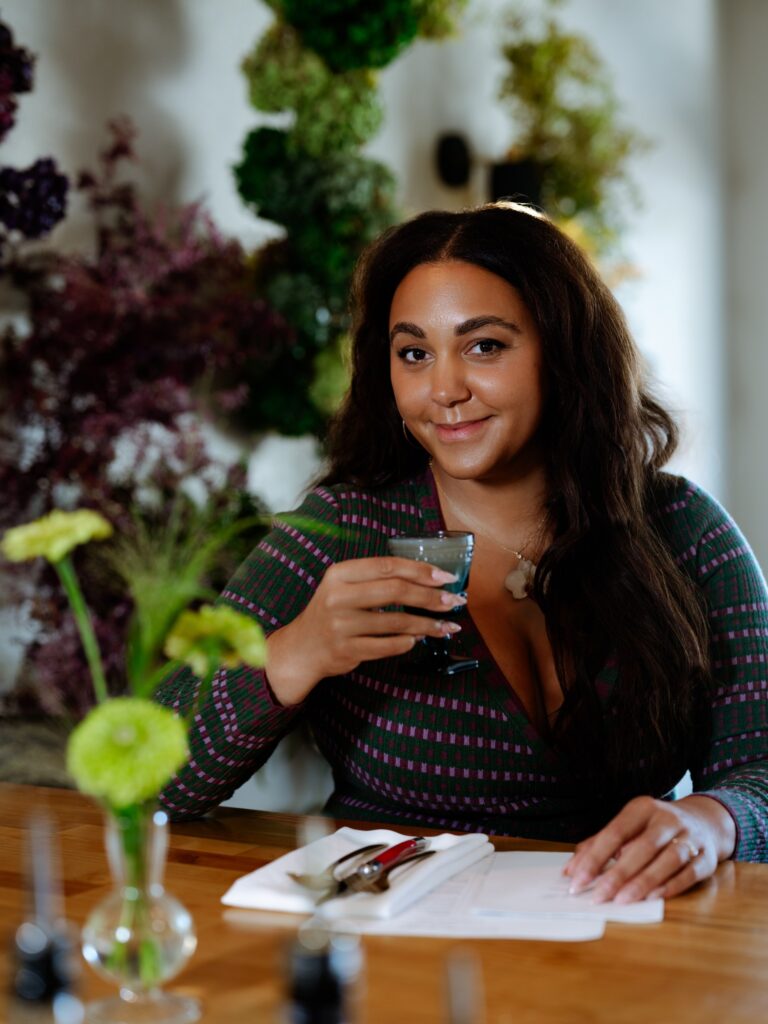
What advantages does Bremerton offer an independent restaurant, and what barriers make doing business here more difficult?
The greatest advantage is the people.
Bremerton locals genuinely want independent businesses and interesting food to succeed here. This community has lifted Lola up again and again, and I don’t take that for granted.
And this may sound random, but Kitsap Public Health is phenomenal. We’ve catered around the country and previously owned restaurants in Alabama, and our experience with the health department here has been world-class: communicative, professional and focused on helping operators understand how to do things correctly.
The challenge is how exposed Bremerton is to changes in federal employment and the shipyard.
During the February-through-April government shutdown, there were days when our sales were 50% below baseline and some periods when they were down closer to 80%. For a 20-seat independent restaurant, that isn’t a soft quarter. That’s an existential crisis.
And the part people sometimes miss is that consumer behavior doesn’t automatically snap back when the immediate crisis ends. People remember being afraid that they couldn’t make their mortgage or car payment. They rebuild savings. They pull back on discretionary spending.
We’re still feeling some of that behavior.
That dependence creates real volatility for local businesses. Economic diversification isn’t an abstract policy issue for a restaurant owner in Bremerton. We can see it in our covers almost immediately.
Lola has become a restaurant people will travel to. How important is drawing customers from outside Bremerton to the business, and was becoming a regional destination something you envisioned from the beginning?
At our current price point, it’s critical.
On a typical day, only about half of our guests are actually from Bremerton. The rest are coming from elsewhere in Kitsap or from Pierce and King counties.
I don’t think we opened Lola saying, “We’re going to build a destination restaurant.” We wanted to build a really good neighborhood restaurant. But when you operate something this small, the addressable market matters. You need enough people who value what you do and are willing to make the trip for it.
So becoming a regional draw wasn’t necessarily the original strategy, but it has become an important part of the economics of the business.
And I think there’s something positive in that for Bremerton. Every person who drives or ferries here for dinner has the potential to discover another business, another neighborhood or another reason to come back.
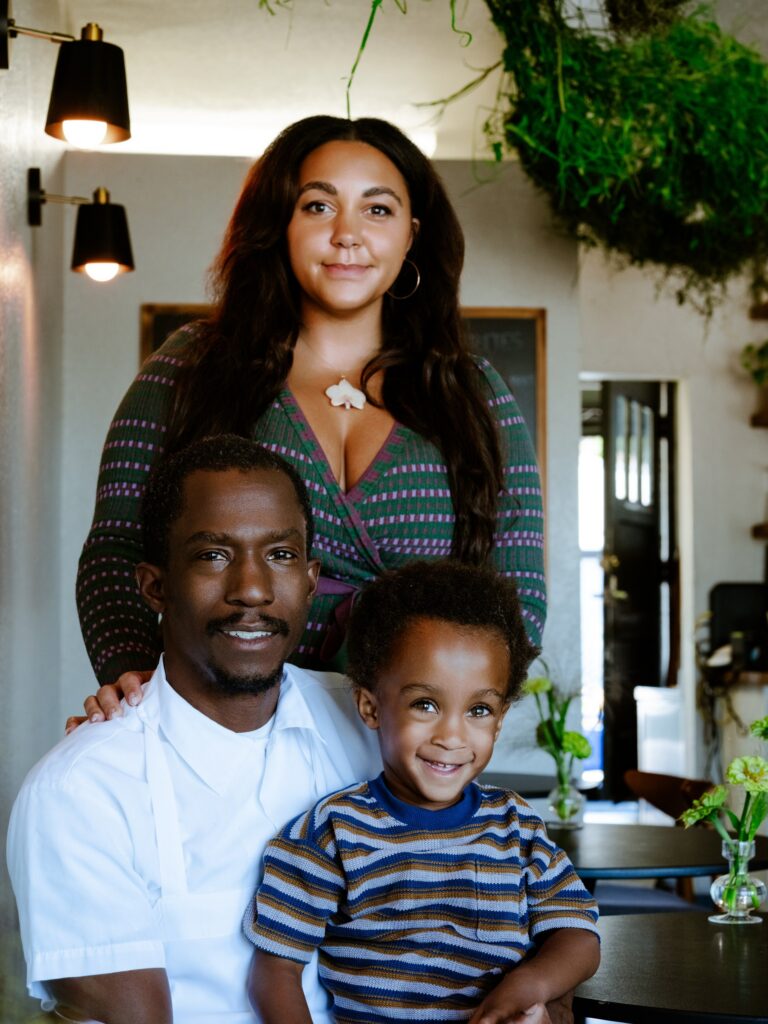
Tourism organizations increasingly promote dining as part of the Kitsap experience. What would need to happen for Kitsap to become known as a culinary destination rather than simply a place with some good restaurants?
We need a few more strong, cohesive corridors.
People love 11th Street in Manette because it feels like an ecosystem. You can go to Saboteur in the morning, have lunch at Boat Shed, dinner at Hound + Bottle, then drinks and a show at the Manette Saloon. Every business is distinct, but together they create a sense of place.
I’d love to see versions of that emerge on Callow, downtown and Sheridan.
People aren’t only looking for somewhere to eat anymore. They’re looking for a vibe. They want to park or get off the ferry and spend four or five hours somewhere. Food, retail, bars, entertainment and public space all reinforce one another.
And I actually think experience becomes even more important during periods of economic uncertainty. When people have less discretionary income, they become more intentional about where they spend it. “Dinner” may not be enough. A memorable afternoon or evening is a much stronger proposition.
Kitsap already has plenty of individual talent. The next step is density.
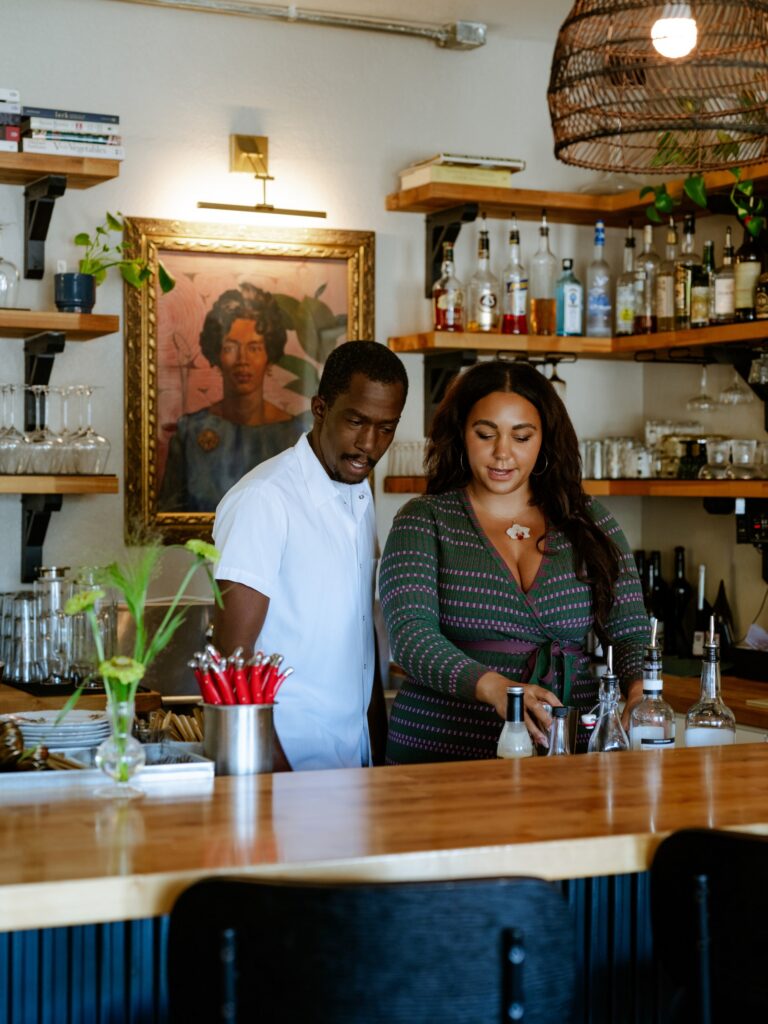
When you look at downtown Bremerton today, what do you think it needs most to become a stronger business district over the next five years?
First, I think the Downtown Bremerton Association is doing tremendous work, and we’re huge fans of what Jessica and the team are building around Quincy Square.
But downtown needs significantly more food and beverage businesses. Full stop. It also needs more businesses open after 8 p.m.
There are still too many vacant storefronts. I would love to see the city aggressively reduce the risk for independent food and beverage operators to fill them—something similar to the kinds of activation programs Seattle used in Pioneer Square after COVID. Put out an RFP. Subsidize rent and utilities for a defined period. Give small operators enough runway to prove a concept.
Vacancy has a compounding effect, but so does activity. Three great, related businesses on a block make the fourth business more viable.
We don’t need every storefront to become another version of something we already have. We need complementary uses. We have plenty of tattoo shops. We still don’t have a real cocktail bar downtown.
The goal should be density, variety and reasons to stay.
Five years from now, what would success look like for Restaurant Lola — not just financially, but in terms of what you’ve built?
I think the biggest mistake I could make would be defining success as keeping Restaurant Lola exactly the same.
I don’t think it will be the same restaurant five years from now. Frankly, I don’t think it should be.
What we’re seeing in the market is pretty clear: people still want excellent food and meaningful experiences, but they have less room in their budgets for frequent high-check dining. So rather than spending the next five years trying to convince customers to behave the way they did two years ago, we’re building around the way they actually live now.
The physical restaurant will move toward a much more value-focused model: larger portions, lower average checks, food you can come eat regularly instead of saving for an occasion.
At the same time, I think the Lola brand becomes more concentrated around the things where premium service still makes sense: catering, private dining, in-home experiences and special events. Those customers are intentionally purchasing an occasion, and we’re very good at delivering that.
Beyond this iteration of Lola, I’d like us to build one or two additional concepts around that same principle of meeting people where they are financially. They should be distinctive, chef-driven and genuinely good – but value has to be part of the design brief, not something we try to engineer after opening.
To me, that is the company we’re building. I’m much less interested in owning one precious restaurant forever than I am in building a hospitality business that knows how to listen to its market, create opportunities for its employees and continue putting great food in front of people at different price points.
The world is going to change whether I complain about it or not. I’d rather adapt.
Keep in touch with our news & offers
Subscribe to Our Newsletter
Thank you for subscribing to the newsletter.
Oops. Something went wrong. Please try again later.