Diana Riggins brings a lifetime of entrepreneurial experience and strategic thinking to her role as Business & Economic Development Program Manager for the Suquamish Tribe. A business owner from a young age and a seasoned consultant long before entering public service, Riggins now applies those skills at a scale that reaches far beyond individual enterprises, helping shape the Tribe’s long-term economic health and sovereignty.
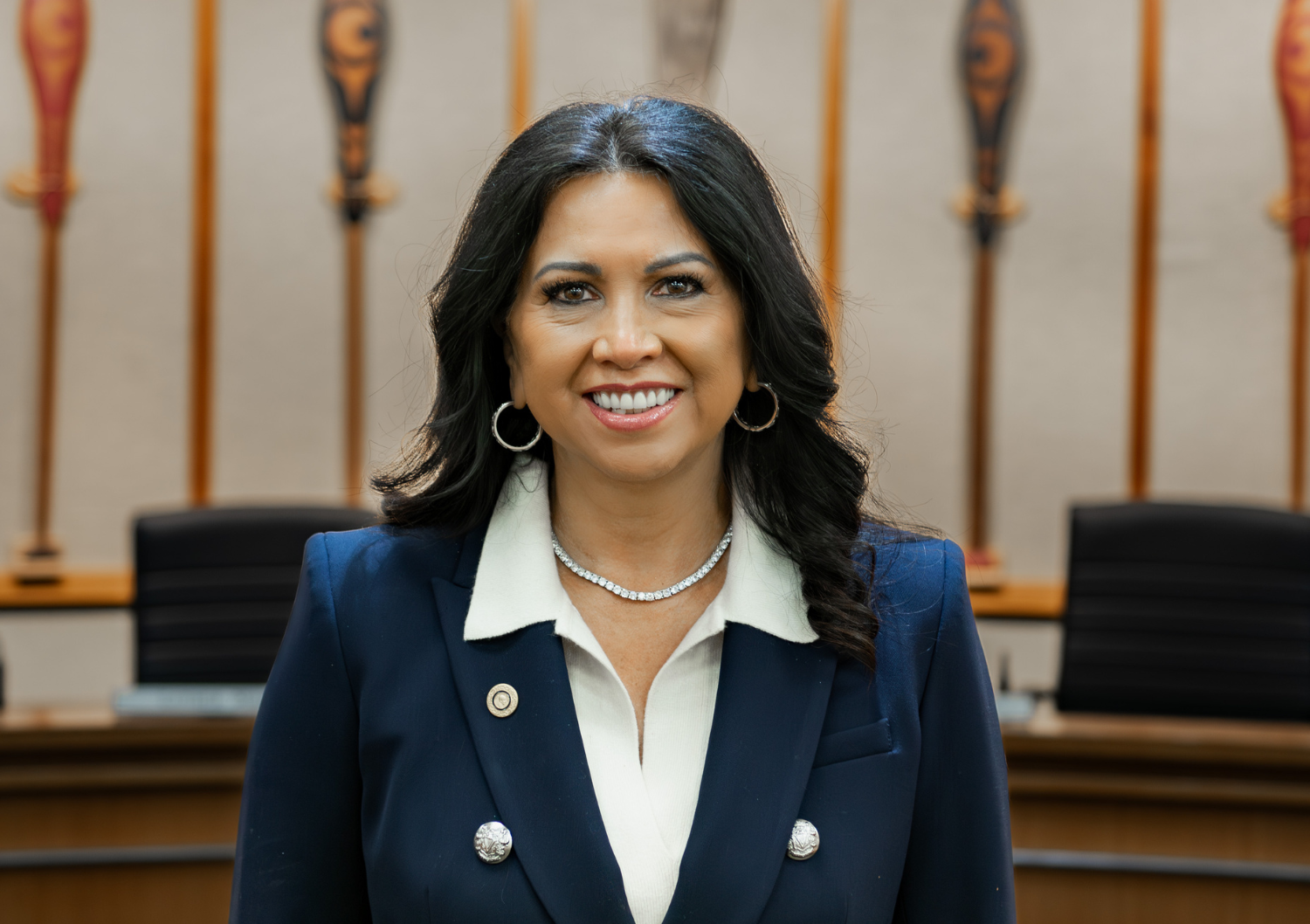
In her position, Riggins oversees efforts to strengthen and diversify the Suquamish economy, working across tribally owned enterprises, municipal operations, workforce development and emerging sectors such as healthcare and energy. Her work is guided not only by financial performance, but by a generational view of economic development rooted in Suquamish values, cultural stewardship and long-term resilience.
In this Executive Q&A, Riggins reflects on her path into economic development, the strategic priorities guiding the Tribe’s investments, and the role the Suquamish Tribe plays as a major economic driver in Kitsap County and the greater West Sound region. She also shares insight into workforce challenges, regional partnerships and why successful economic development, in her view, must be measured by lasting impact rather than short-term gains.
To begin, can you share a bit about your background and what shaped your path into economic development?
I have pretty much always been in business. As a little kid, I was the one knocking on doors selling things, running a lemonade stand, and even holding “summer school” for neighborhood kids when I was seven. At the time I did not know the word “entrepreneur,” but that is exactly what I was doing.
I was identified as gifted early on, and at 16 the National Science Foundation sent me to college, where I studied Statistical Decision Theory and Quantitative Analysis on a path toward electrical engineering. My first corporation came a few years later, at age 20, a cable installation company in Seattle, and I have owned businesses ever since.
After decades as an entrepreneur, I went back and earned my business degree from Columbia Southern University to formalize what I had been doing in practice. Consulting with businesses to help them grow and stabilize is what ultimately pulled me toward economic development. I realized the same tools that help individual companies succeed can be scaled to help my own community, the Suquamish Tribe, and the broader region build long-term, sustainable prosperity.
How would you describe the Business & Economic Development Program and its core purpose within the Suquamish Tribe?
At its core, our Business and Economic Development program has a simple purpose: to grow and protect the Tribe’s economic base in a way that strengthens our sovereignty, our culture, and our families, not just our bottom line.
In practical terms, that means building a diversified economy so the Tribe is not dependent on any single revenue source. We look at tribally owned enterprises, real estate, municipal operations, tribal member owned small businesses, and new sectors such as healthcare and professional services. We focus on keeping dollars circulating in our community, creating high quality jobs, and investing in projects that will still be paying off for the next generation.
Just as importantly, we are intentional about how we grow. Our work is grounded in Suquamish values: respect for the land and water, caring for elders and youth, and creating opportunity without losing who we are. The program serves as strategist, connector, and advocate, aligning partners, funding, and policy so that the Suquamish economy is strong, resilient, and truly ours.
In what ways does your department collaborate with Port Madison Enterprises, and how do you align efforts while maintaining distinct roles?
Port Madison Enterprises is the business arm of the Tribe. PME is responsible for operating and growing our tribally owned enterprises day to day. My department, Business and Economic Development, looks at the larger picture, which is the overall economic base of the Tribe. That includes PME’s businesses and other revenue streams such as taxes, permits and registrations, federal leases, healthcare, and tribal member owned businesses, as well as new opportunities in areas such as fisheries and energy.
We collaborate closely, but we each have clear roles. PME focuses on running successful businesses, including staffing, customer experience, profitability, and reinvestment. My team looks at where those businesses sit inside the broader Suquamish economy and what we need around them, such as infrastructure, workforce, housing, policy, and new sectors that complement PME’s portfolio.
On a day to day level, that means we share data, ideas, and strategy. We might co-lead a feasibility study for a new venture, plan infrastructure that supports PME properties and surrounding communities, or line up grants and outside partners that help both PME and municipal or member owned enterprises. The goal is alignment without overlap. PME keeps the engines running well today, and Business and Economic Development is making sure we have more engines, and more choices, tomorrow.
What workforce needs or shortages are most pressing, and how is the Tribe approaching talent development for the future?
Our biggest workforce challenges are less about interest and more about logistics. Even though we are quite close to Seattle, we are in a relatively rural area, so transportation and housing are major barriers for people who might love to work for the Tribe but cannot easily make the commute or afford to live nearby. Like many employers, we also feel shortages in highly skilled and specialized roles, especially in healthcare, finance, and the technical trades.
The Suquamish Tribe has invested in education for a long time. Our fully funded college scholarship program for tribal members has created a well educated citizenry, and we have been very successful at hiring tribal members who live locally. Now we are focused on making sure those degrees and skills come home to tribal government, Port Madison Enterprises, and tribal member owned businesses.
At the same time, we know we cannot meet all of our needs with tribal citizens alone. We also need non-tribal employees who want to be part of something bigger than themselves. We offer competitive salaries, meaningful career paths and mentorship, strong benefits, and a workplace rooted in community and culture. People who work for the Tribe are not just taking a job. They are helping build a future for a community. That sense of purpose is one of our strongest recruiting tools.
What criteria guide your decisions when evaluating new investment opportunities or potential business ventures?
When we look at a new opportunity, we start with one core question: does this strengthen Suquamish sovereignty and our long-term economic base, or not.
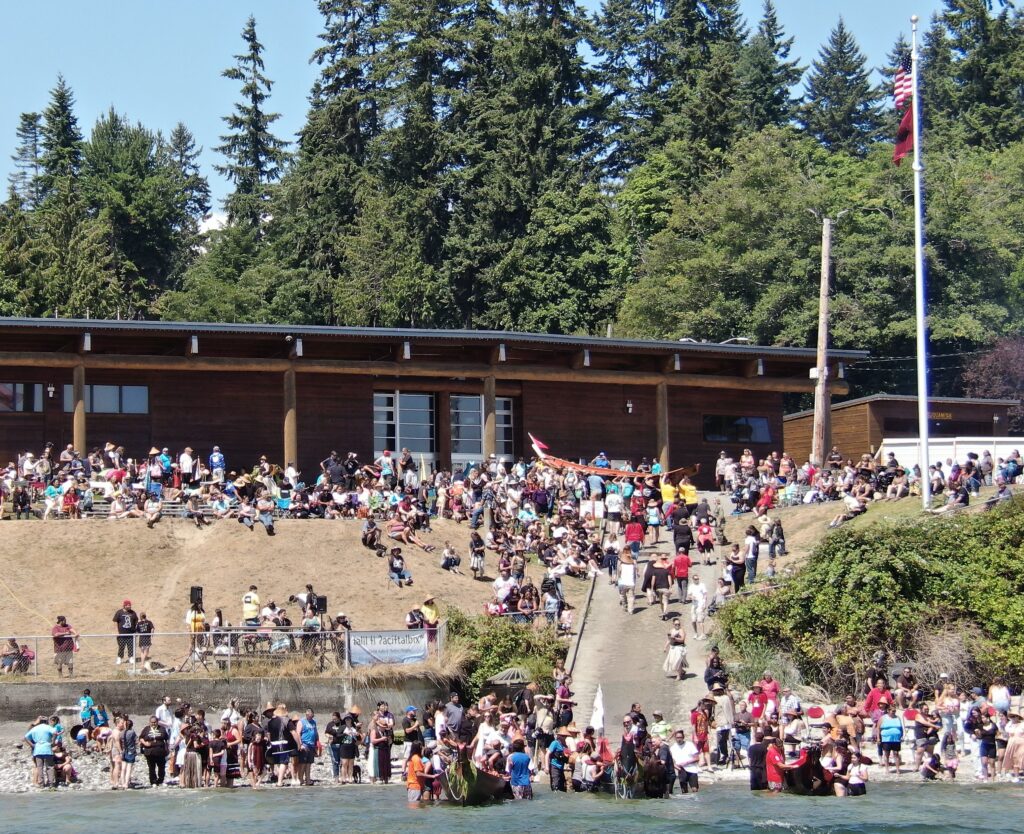
In Indian Country, we often talk about the “seven generations.” We plan for goals that will help not only our community today, but also our children, our grandchildren, and those seven generations to come. Chief Seattle thought that way when he worked with leaders such as Doc Maynard and the Denny family to build what became the City of Seattle. We are now seven generations into the future he was planning for. If an opportunity does not hold up under that kind of lens, or if the answer is “no” or “not sure,” we move on.
From there, my team evaluates a venture using a few key criteria. We look at financial viability, realistic returns, risk, and whether it diversifies our revenue instead of putting more eggs in the same basket. We measure community benefits, such as good jobs for tribal members, support for tribal member owned businesses, and whether it fills real needs in areas such as housing,healthcare, or essential services. Cultural and environmental fit are non-negotiable. Any project must respect the land, water, and values that define us as Suquamish people.
We also ask practical questions. Do we have, or can we build, the capacity to operate this well. Can we leverage grants, federal programs, or strong partners without giving up too much control. How will this hold up in the next downturn, not just the next quarter. The best investments for us are the ones that pencil out financially and move the Tribe closer to a resilient, self-determined future.
How would you describe the Tribe’s economic role within the broader Kitsap County and West Sound region?
As the third largest employer in Kitsap County, I would describe the Suquamish Tribe as an economic anchor for Kitsap County and the West Sound region. We are a government, a major employer, and a long-term investor all in one.
Through Port Madison Enterprises and our tribal government, we generate jobs, attract visitors, purchase from local vendors, and invest heavily in construction, infrastructure, and services. Every decision we make about a new business, a facility, or a program does not just affect the reservation. It ripples out to contractors, retail, housing, healthcare, and other employers across the county.
Our economic role also shows up in the kinds of projects we choose to lead. Tribal investments in healthcare, public safety, and social services increasingly serve both tribal and non tribal residents. These investments help fill regional gaps while creating professional and middle income jobs close to home. At the same time, we bring a very long-term view. Protecting
shorelines, salmon, and water quality is not only cultural and environmental work. It is also protecting the natural assets that make this region livable and economically strong.
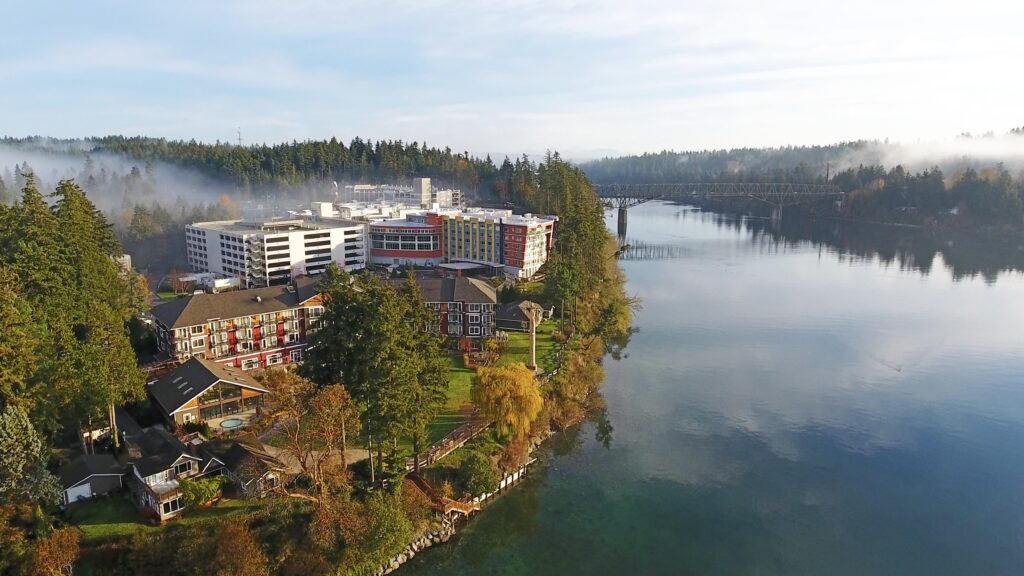
So while people might first recognize Suquamish for our enterprises or as “the casino on the water by Bainbridge Island,” our actual role is much broader. We are a stabilizing force in the local economy and a committed partner in building a more resilient future for the whole West Sound.
If you could dispel one common misconception about tribal economic development, what would it be?
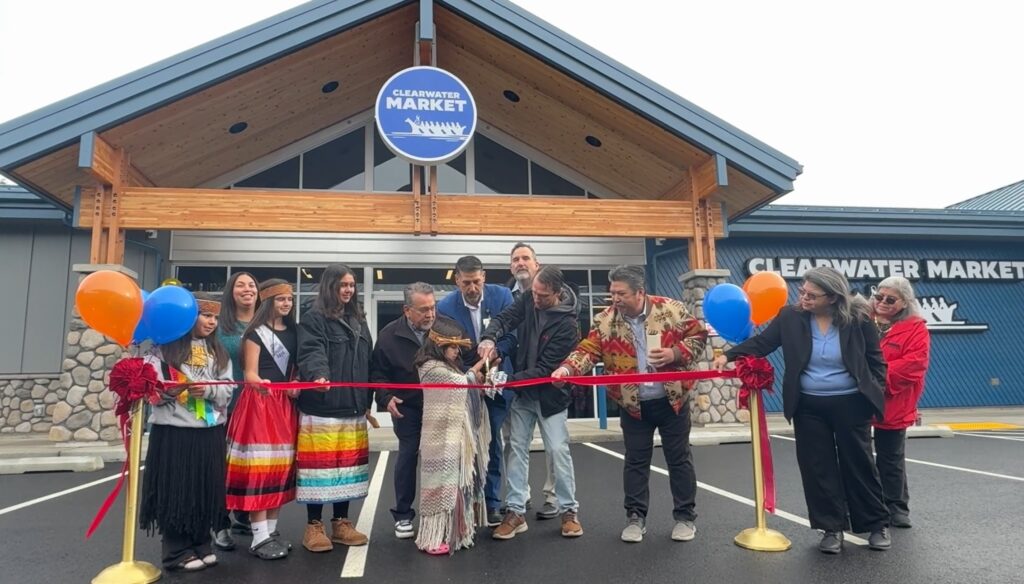
The biggest misconception is that tribal economic development begins and ends with the Clearwater Casino and Resort, and that tribes are somehow a drain on the broader economy. The reality is exactly the opposite.
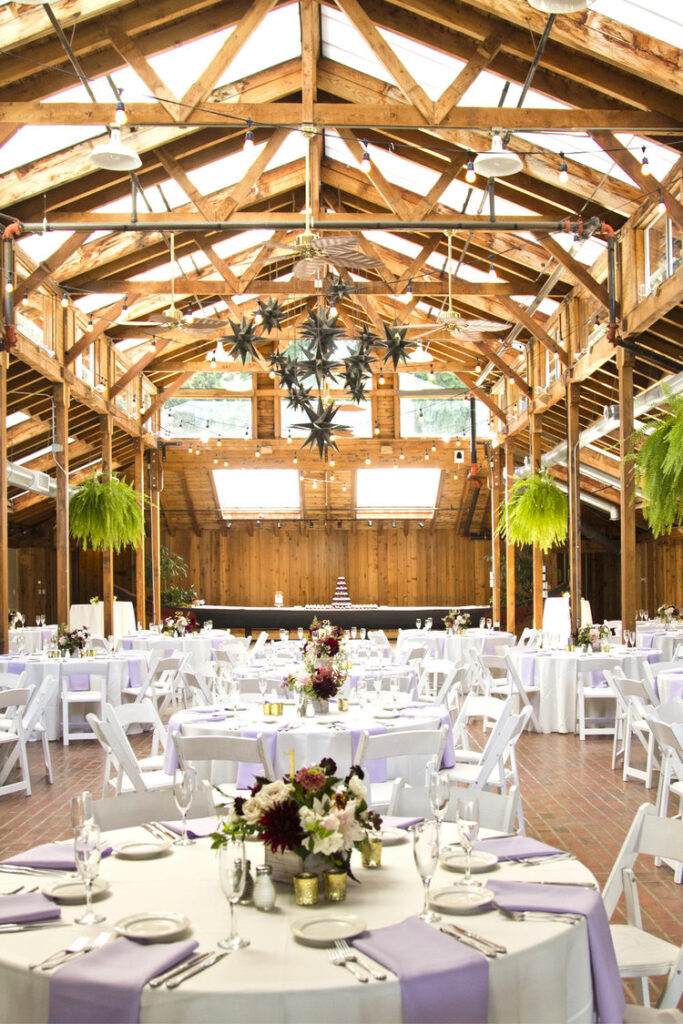
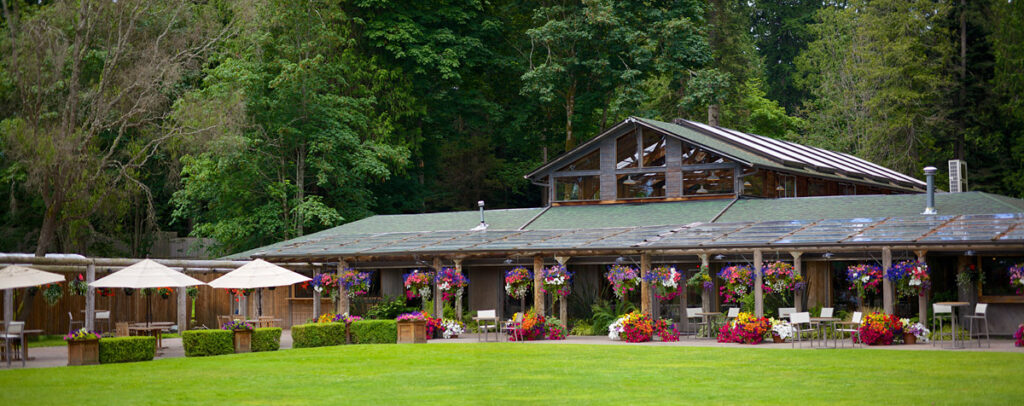
Yes, people know Suquamish for the casino, but we are first and foremost a government, and a very active one, representing our people locally, across the state and nationally. For the size of our population and land base on the Port Madison Indian Reservation, the Suquamish Tribe manages a municipal scale economy that more than triples the casino’s economic footprint when you consider government services, housing, infrastructure, public safety, education, healthcare, and our other businesses such as construction companies, gas stations, the golf course, and Kiana Lodge.
Tribal economic development is not a special add-on to the local economy. It is a core driver of it. We create jobs, contract with local businesses, invest in major capital projects, and, like everyone else, we pay our share of taxes in many forms. Far from being a burden, tribal economies help stabilize and grow regions such as Kitsap County, while also fulfilling our responsibility to care for our people and our homelands, including all of Puget Sound.
How do you measure success in programs that aim to build long-term capacity rather than short-term wins?
For me, success is not just having a strong year on the books. It is whether we are building a self-sustaining economy that gives future generations more security and more choices than we had. I am always asking whether we are strengthening our economic base in a way that will still make sense 20, 50, or 100 years from now.
We do track the usual numbers, such as new tribal member owned businesses, professional and technical jobs created, dollars we bring in to serve the community, and infrastructure and facilities completed. However, the deeper test is in our revenue mix. Is more of our budget coming from diverse, stable, long-term sources instead of being overly dependent on a single enterprise or outside funding? Can we reliably fund core services and community priorities
without wondering if one economic shock will force us to pull back? Those are signs that our economic base is not just growing but maturing.
Another measure of success is alignment with our values. Are we using that stronger revenue base to meet community goals, such as housing, healthcare, education, and services for elders and youth, while still protecting our land, water, and cultural connection to this place? When our economy can sustain itself, support our people, and honor who we are as Suquamish, that is when I know our long-term capacity building work is truly paying off.
What recent or upcoming projects or initiatives do you believe hold the most potential for impact?
Right now, the projects I am most excited about are in the healthcare industry, because they touch families all across Kitsap County. The Suquamish Tribe is leading the development of a new behavioral health facility in Poulsbo, a full wraparound addiction treatment and recovery center that integrates medical care, counseling, and supportive services. It is designed not just as a clinic, but as a place where people can access the comprehensive help they need to truly rebuild their lives.
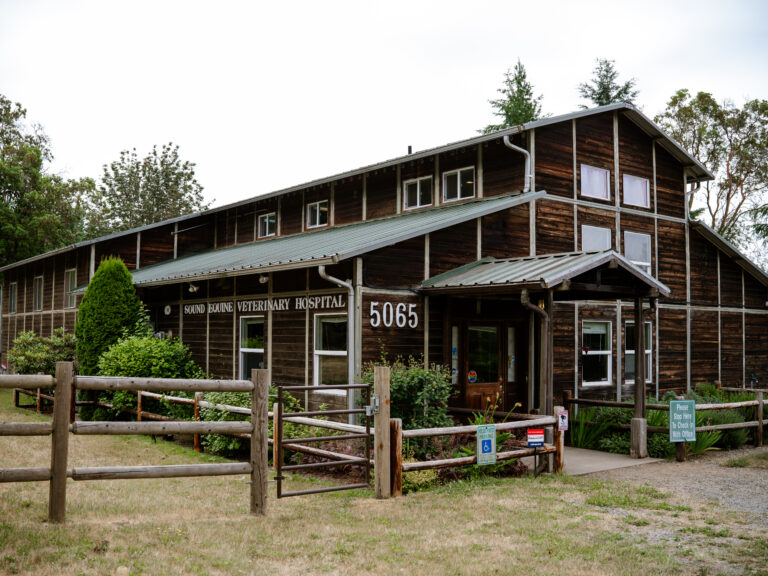
We have also recently acquired the Kitsap OB GYN clinic, which helps address a critical shortage of women’s health providers on the peninsula. Together, these investments, along with our plans to further expand our health services, position the Tribe as a premier healthcare provider in the region.
For me, the real impact is twofold. We are filling essential gaps in care for Kitsap County residents, and at the same time we are building a strong, values driven sector of the Suquamish economy that will serve our community for generations.
From your perspective, what are the biggest obstacles to regional economic growth today, and what opportunities do you see emerging?
When I look at regional growth, I do not see a shortage of ideas. I see a few stubborn bottlenecks. Housing and transportation are at the top of the list. It is hard to attract and retain talent when people cannot afford to live near where they work or cannot reasonably get there. We also see gaps in healthcare access, childcare, and behavioral health that directly affect workforce participation. In addition, we still tend to plan in silos, with cities in one place, the county in another, and tribes somewhere in the middle, instead of treating the whole peninsula as one interconnected economy.
On the opportunity side, this is exactly the moment to lean into those pain points. Healthcare is a major one. The Suquamish Tribe’s investments in behavioral health and OB GYN services are part of a larger opportunity to build a regional health ecosystem that actually meets people
where they are. There is also real potential in the blue and green economy, including sustainable fisheries, clean energy, environmental restoration, and tourism tied to the natural and cultural assets that make this place unique.
Another major opportunity is partnership. When tribal governments, local jurisdictions, businesses, and nonprofits align around shared projects such as housing, transit, broadband, and workforce training, we unlock federal and state resources that none of us could capture alone. The obstacles are real, but so is the chance to build a more resilient and diversified regional economy if we are willing to think long-term and work together.
Partnerships often play an essential role in growth. What qualities make for a successful collaboration between tribal and non-tribal businesses or jurisdictions?
For me, the best collaborations start with a basic understanding: tribes are governments, not just another stakeholder or business partner. When non tribal partners recognize tribal sovereignty, respect our decision making processes, and take the time to understand who we are, everything else goes more smoothly.
From there, the qualities of a strong partnership look a lot like any good relationship. We need clarity, transparency, and follow through. We need shared goals that are written down, realistic timelines, and an honest conversation about risk, return, and responsibilities on all sides.
The projects that work best are the ones where everyone knows why we are doing it, who it is supposed to benefit, and how we will measure success.
I also value patience and a long-term view. Tribal communities think in generations, not just grant cycles or election cycles. Partners who are willing to build trust over time, listen as much as they talk, and see cultural and environmental stewardship as assets, not obstacles, tend to be the ones we keep working with, project after project.
What does successful economic development look like to you, beyond metrics like revenue or expansion? What leadership lessons have been most influential as you navigate complex economic systems and partnerships?
Successful economic development, to me, is when our people and our homelands are healthier, more secure, and have more choices than they did before. It is when a tribal member can find good work close to home, access quality healthcare, live in safe housing, and see their culture reflected in the places and institutions around them. It is when our revenue is diversified and stable enough that we can weather downturns without sacrificing our values. It is also when every major decision is made with the “seven generations” in mind, considering what this will mean for our children, our grandchildren, and those yet to come.
The leadership lessons that guide me come from our ancestors as much as from boardrooms. One lesson is to remember who I serve. I am not just managing projects. I am carrying responsibilities handed down by people who fought for us to still be here. Another lesson is to listen more than I speak, especially across governments, cultures, and sectors. In complex systems, a leader has to be a translator, moving between business and government, tribal and non tribal, and between vision and implementation.
I have also learned to be patient and persistent at the same time. Real change in Indian Country rarely happens overnight. You celebrate the small wins, but you stay focused on the long arc. Finally, I measure my own leadership not by how much I personally accomplish, but by how many others I can help move into positions of influence. If, years from now, we have strong Suquamish leaders in every corner of our economy, and seven generations are still benefiting from choices we made today, that is what success looks like to me.
Finally, what excites you most about the work you are doing right now, and what keeps you motivated for the future?
What excites me most right now is that, after decades of working around the country in business and economic development, I am able to bring all of that experience home. This work is not abstract for me. The Suquamish Tribe is my family, and as a descendant of Chief Seattle, I feel a very real responsibility to help carry our story forward in a way that honors our past and secures our future. Every project, from healthcare to small business support, is about creating opportunities for people I know by name.
What keeps me motivated is knowing that the decisions we are making today will shape life for our children, our grandchildren, and the seventh generation to come. I have spent my career helping other communities grow and stabilize. Now I have the privilege of using that experience for my own people and this place. On the hard days, I think about future Suquamish children who will have more choices, more careers, more housing options, and better healthcare because we stayed at the table and did the work. That is what gets me up in the morning and keeps me going.
Keep in touch with our news & offers
Subscribe to Our Newsletter
Thank you for subscribing to the newsletter.
Oops. Something went wrong. Please try again later.