
From immigration services and emergency assistance to interpreter training and youth leadership, the organization follows community needs wherever they lead.
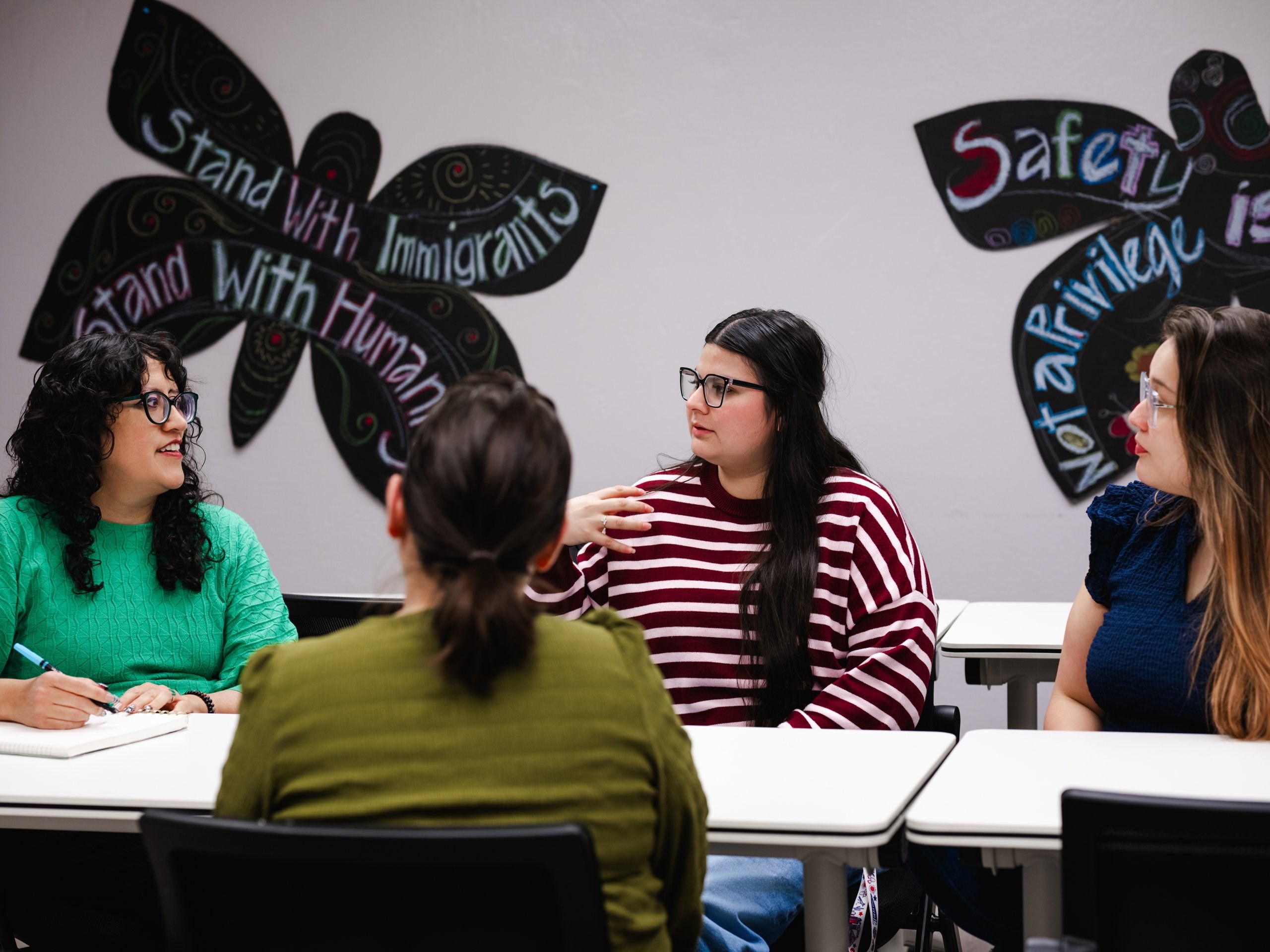
When a family turns to the Kitsap Immigration Assistance Center for help, the immediate concern may be an immigration case. But that family may also be struggling to pay rent, find a doctor, get to an appointment or help their children feel a sense of belonging.
Those challenges often overlap, and addressing them can require more than a single service. KIAC connects immigration legal assistance with practical resources, community partnerships and programs designed to help immigrant families build stability and opportunity.
“Everyone deserves to live with safety, opportunity, and dignity, regardless of where they were born,” said Dr. Jessica Salvador, KIAC’s executive director.
Founded in 2004 as a volunteer-led effort by community members, KIAC has grown over 22 years into an organization serving more than 2,000 people from over 70 countries, Salvador said. Its mission is to advance the well-being and power of immigrant communities through education, advocacy and social justice.
The organization’s main office is in Bremerton, with a second site in Port Townsend. That location grew out of KIAC’s immigration legal work, Salvador said, making services more accessible to people who otherwise would have to travel to Bremerton. Staff attorneys and trained legal volunteers, including accredited representatives, help clients navigate immigration matters.
Legal services remain central to the organization’s work, but families may need support in other areas, too. KIAC helps people navigate health care, housing and food resources, and partners with other organizations to bring services closer to the community. Peninsula Community Health Services, for example, has brought mobile medical and dental services to KIAC’s site.
“We’re not only doing immigration legal services, but also supporting the family with everything else around that,” Salvador said. “Whether it was advocacy work, supporting them with navigating resources, having access to low-cost medical care, and essentially everything around it.”
For some families, that support reflects years of effort and uncertainty. Salvador recalled meeting a mother who came to KIAC with her son after being reunited with him following a decade apart. She still had other children who had not yet joined them. Within a year, Salvador said, the rest of her children had arrived.
“It was very powerful to see how much impact” the organization’s work could have, she said. “It was years in the making, but she finally got to see her children again.”
Programs shaped by community needs
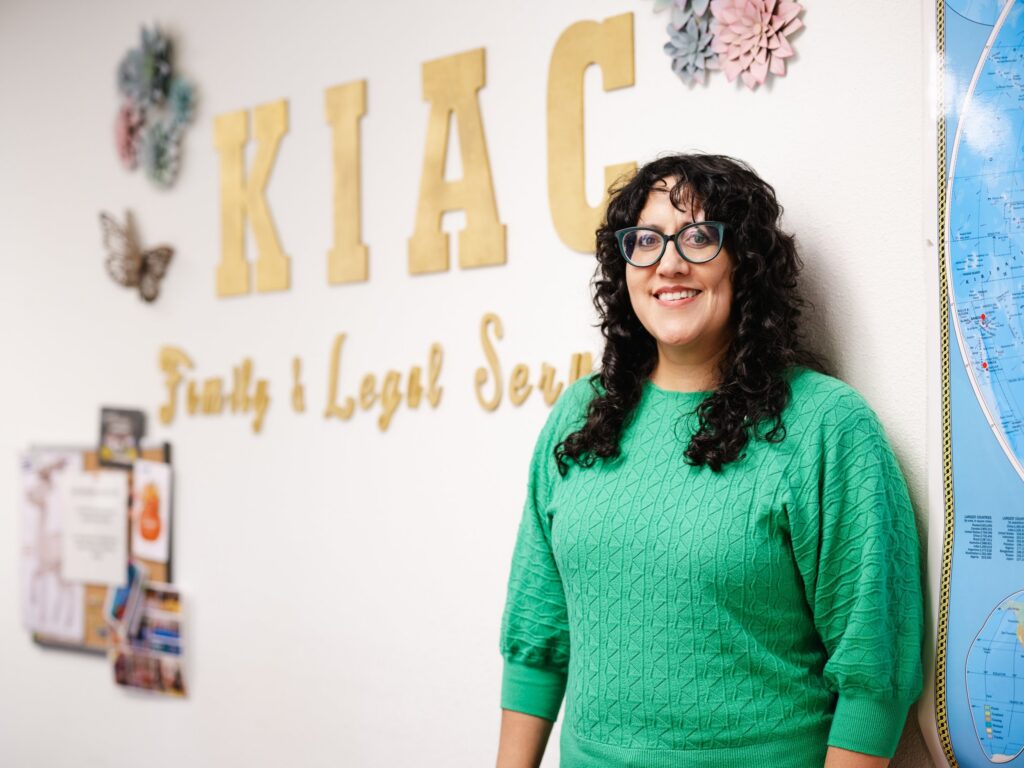
KIAC has expanded its programs in response to gaps identified by the people it serves. A youth leadership program launched in 2024, for example, grew out of families’ desire for a place where teenagers could develop a stronger sense of identity and belonging.
Some young people were navigating different expectations at home and school while trying to understand where they fit, Salvador said. Families also expressed concern that their children might become disconnected from their culture or lose interest in learning their Indigenous languages.
The program gives young people opportunities to connect with peers, learn about their backgrounds and take pride in who they are. Creating a supportive community can help them see others who share their experiences and are proud of them, Salvador said.
Another initiative addresses a practical obstacle to employment and independence: transportation.
KIAC is partnering with Mujer al Volante, a King County nonprofit that teaches women to drive. The partner provides instruction, including theoretical and behind-the-wheel training, while KIAC helps host the program and offers resources such as food and assistance with permit and license costs.
Driving lessons and licensing can be expensive, Salvador said, and limited transportation can make it harder for people to reach work or pursue other opportunities. KIAC recently completed a program in Bremerton and launched another in Port Townsend.
The organization has also established the Language Justice Interpreters Collective to create paid work and career pathways for people with language skills.
Some clients speak Indigenous languages as their primary language and Spanish as a second language, Salvador said. Qualified interpreters are essential to ensuring those clients understand the services and information available to them.
The collective provides foundational training for interpreting in social services and connects participants with organizations seeking their help. Interpreters can work as independent contractors, creating an opportunity to develop their skills into a source of income.
“There’s a lot of richness in our communities,” Salvador said. “People already have this knowledge. They just need to be given the guidance or have the pathway opened up.”
The program also recognizes skills that community members are often asked to provide without compensation. KIAC aims to help people build on their existing knowledge and, if they choose, develop a career in interpretation.

Personal experience, systemic change
For Salvador, the work is closely connected to her own life. She is the child of immigrants and a first-generation college graduate in the United States. She remembers her parents’ pride when they became citizens and understands the sacrifices families make to create opportunities for the next generation.
Her professional path included several fields. After studying civil engineering, she worked in education and nonprofit community economic development before joining KIAC. Across those experiences, she said, she kept returning to the question of how systems could change to give people more equitable access to opportunity.
“What kept driving me was thinking about how we can change systems so that people have equitable access to opportunities,” Salvador said, “rather than having to navigate barriers that were not really designed for certain folks to begin with.”
KIAC appealed to her because it combines immigration legal services with support for the broader circumstances affecting families. Salvador sees opportunities to strengthen existing programs, expand partnerships and create more avenues for community leadership and collective action.
That approach also reflects the challenges facing immigrant families throughout Kitsap County and the broader peninsula.
Needs that overlap
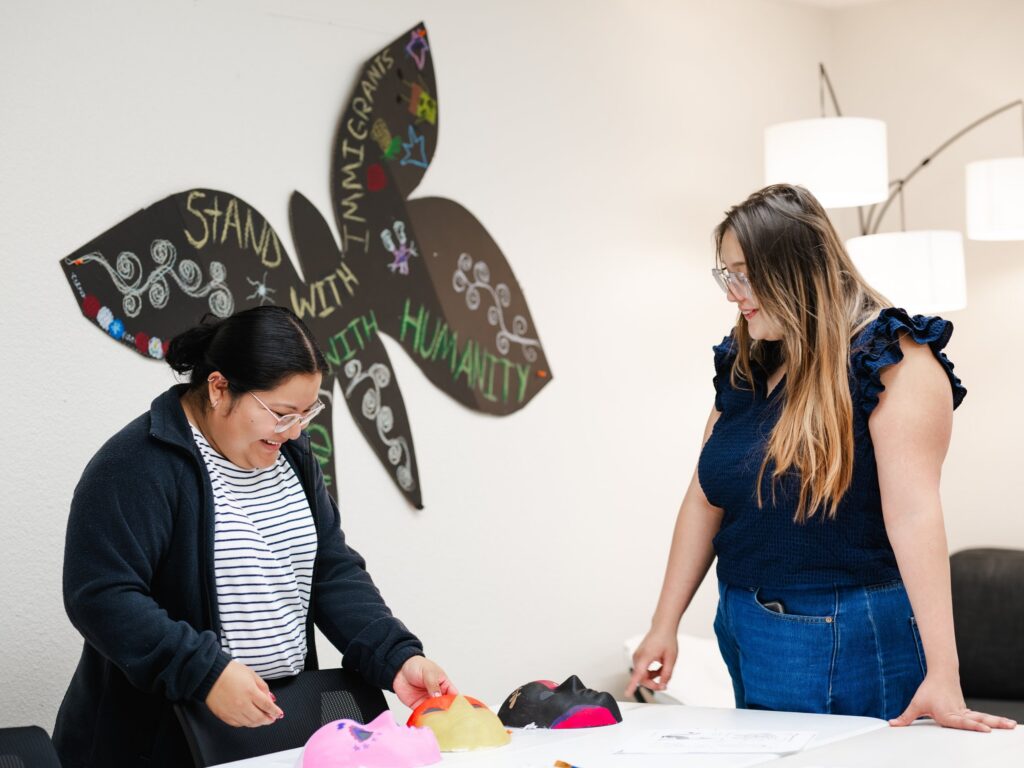
Rising living costs, housing insecurity, limited access to health care and transportation barriers affect many of the families KIAC serves. Transit options vary across the region, Salvador said, making it especially difficult for people who live farther from services.
Housing assistance is one way the organization responds to immediate hardship. KIAC helps families facing emergencies, including people who cannot work after an accident, and partners with Kitsap Community Resources on housing vouchers.
Uncertainty surrounding immigration policies and enforcement has added another source of stress. KIAC has supported families whose loved ones have been detained or deported, including people who were not previously clients, Salvador said.
Fear can affect everyday decisions, she said, discouraging people from seeking medical care, reporting workplace concerns, enrolling children in programs or reporting domestic violence.
“It impacts everybody,” Salvador said. “The profiling is so great that it doesn’t matter who you are.”
The organization is looking for ways to connect families with mental health support, but referrals can be difficult when someone lacks insurance that qualifies them for a particular service. KIAC is exploring potential models and funding to address that gap.
Demand for immigration legal services has also increased, Salvador said. Cases have become more complex and require more staff time, while filing fees can create a significant financial burden. KIAC established a legal solidarity fund to help individuals and families cover legal costs.
For some families, those expenses compete directly with basic necessities.
“They have to decide: Do I pay my rent or do I pay this document that, if I don’t pay it, I could get deported?”
KIAC also addresses food insecurity through La Canasta Comunitaria, a monthly food distribution program. Salvador said the organization works to meet immediate needs while considering the broader conditions, including policy decisions, that contribute to them.
Contributions and opportunity
Immigrants are an important part of the region’s workforce and business community, contributing to fields including caregiving, food services, agriculture and health care, Salvador said. Many arrive with professional experience, technical skills and entrepreneurial knowledge that may not be recognized by systems in the United States.
She pointed to Japanese and Filipino American families who helped build Bainbridge Island’s agricultural economy as examples of the longstanding contributions immigrant communities have made to Kitsap County.
KIAC helps some clients navigate the practical requirements of starting and operating a business, including licensing and taxes. It promotes small-business classes through local partners and works with Kitsap Community Resources on tax-season support.
The organization is also exploring workshops and other assistance for small businesses, including help with bookkeeping, marketing and regulatory requirements.
For entrepreneurs, barriers can include limited access to capital, language access and difficulty understanding regulations. KIAC wants to make those pathways easier to navigate so people can use their skills and experience to build businesses, Salvador said.
“I would love to see more local employers recognize that talent, including professional experience gained in other countries,” she said, “and look for ways to remove barriers.”
Supporting the whole organization
Providing legal assistance, emergency support, youth programming and workforce opportunities requires funding that can be difficult to secure. Grants are often restricted to particular programs, populations, activities or geographic areas, Salvador said, while the needs of the people KIAC serves rarely fit into separate categories.
“Someone who needs legal assistance may also be facing housing insecurity,” she said. “They may be facing food insecurity or transportation barriers.”
Immigration cases require specialized staff and substantial time, and increasing complexity has added to the pressure. Funding for a specific service may not cover its full cost, leaving the organization to seek flexible resources that can respond as needs change.
Salvador encourages donors to consider the organization as a whole, including the staff, relationships and operational capacity that make its services possible, rather than viewing each program in isolation.
Community members can support KIAC and similar organizations in other ways, too. Salvador encouraged people to stay informed about policy, contact elected representatives, participate in local discussions and contribute according to their means. Restaurants and other businesses may be able to provide in-kind donations for events.
KIAC is also accepting volunteers for its accompaniment program. Volunteers can accompany someone to an immigration-related appointment, wait nearby if they cannot enter and help the person feel less alone. They do not provide legal advice or speak on behalf of the client.
Salvador said KIAC is onboarding volunteers gradually to ensure the program remains manageable for staff and participants.
For her, the broader goal is to build a region where everyone who lives, works and raises a family has a chance to experience safety, stability, opportunity and belonging. Achieving that may require different kinds of support for different people.
Salvador offered a simple analogy for equity: If two people need to see clearly and one needs glasses, providing the glasses helps both reach the same point.
“Building a welcoming and thriving region is a shared responsibility,” Salvador said. “When we invest in each other, our entire community is stronger.”
Keep in touch with our news & offers
Subscribe to Our Newsletter
Thank you for subscribing to the newsletter.
Oops. Something went wrong. Please try again later.