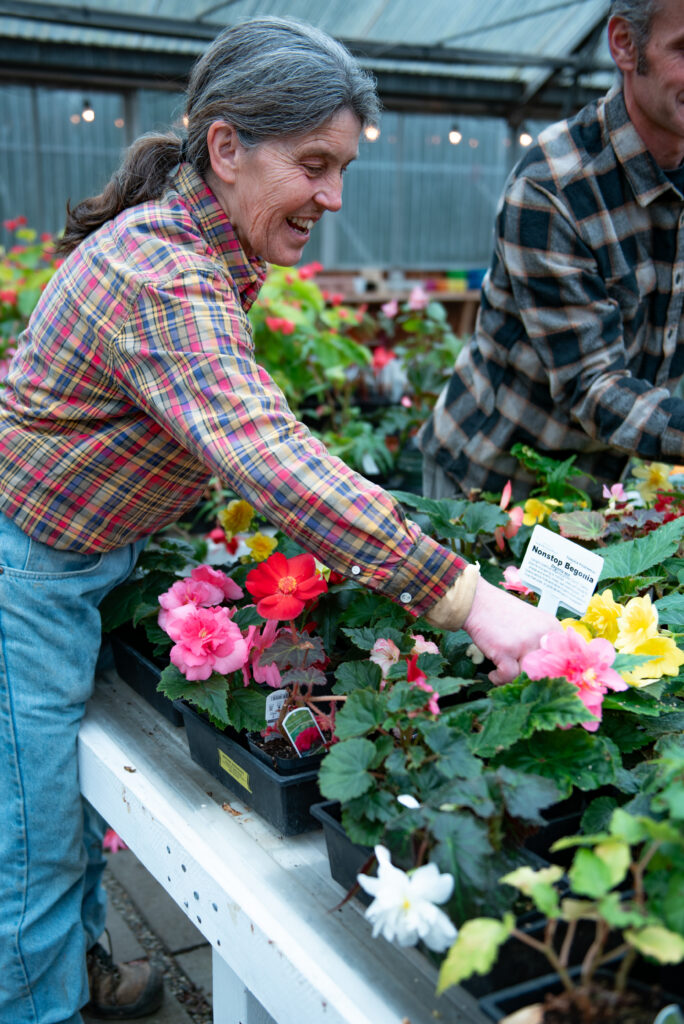
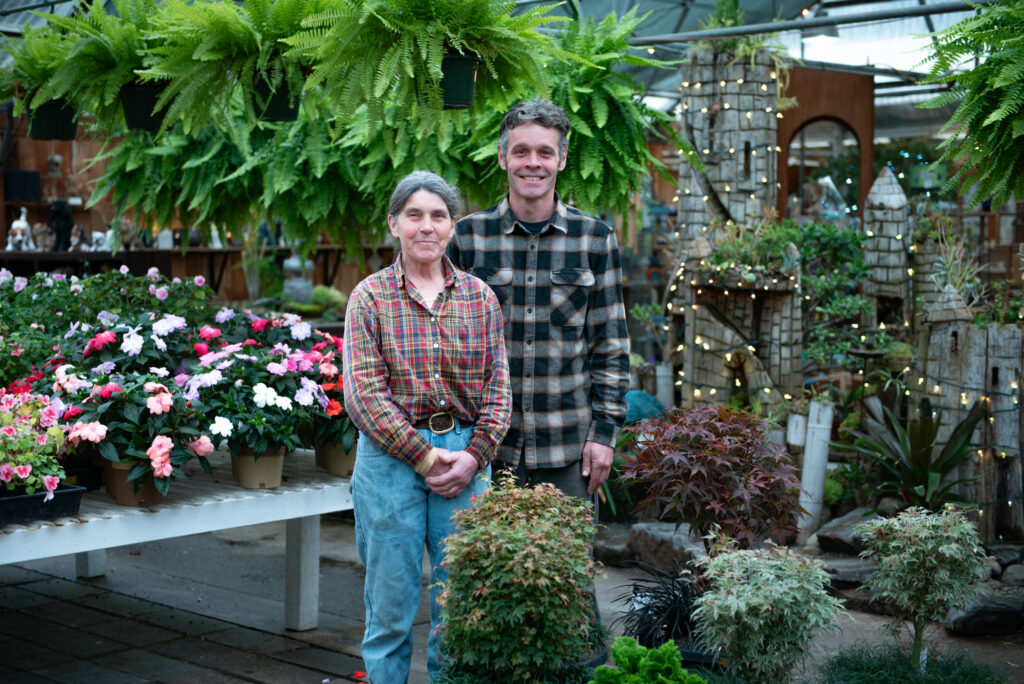
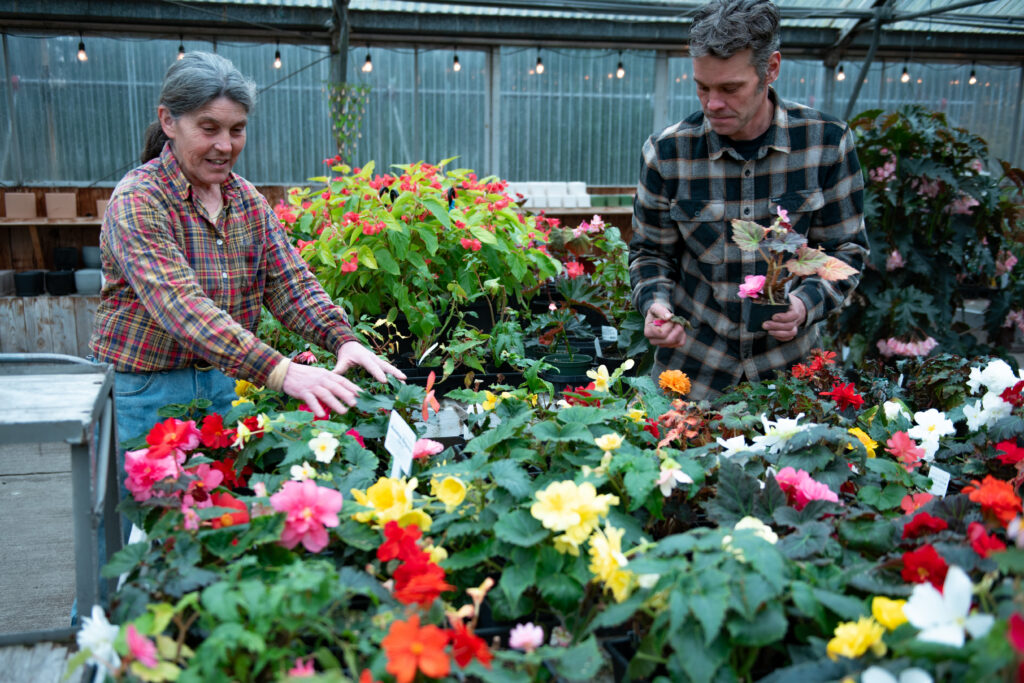
The Brothers Greenhouses has been part of the Port Orchard landscape for more than 55 years—long enough to watch saplings become towering shade trees, and customers become second- and third-generation gardeners. What began as a small wholesale operation has steadily evolved into a year-round garden center known for its deep horticultural knowledge, unusually low staff turnover, and a loyal customer base that views the nursery as much as a community hub as a place to buy plants.
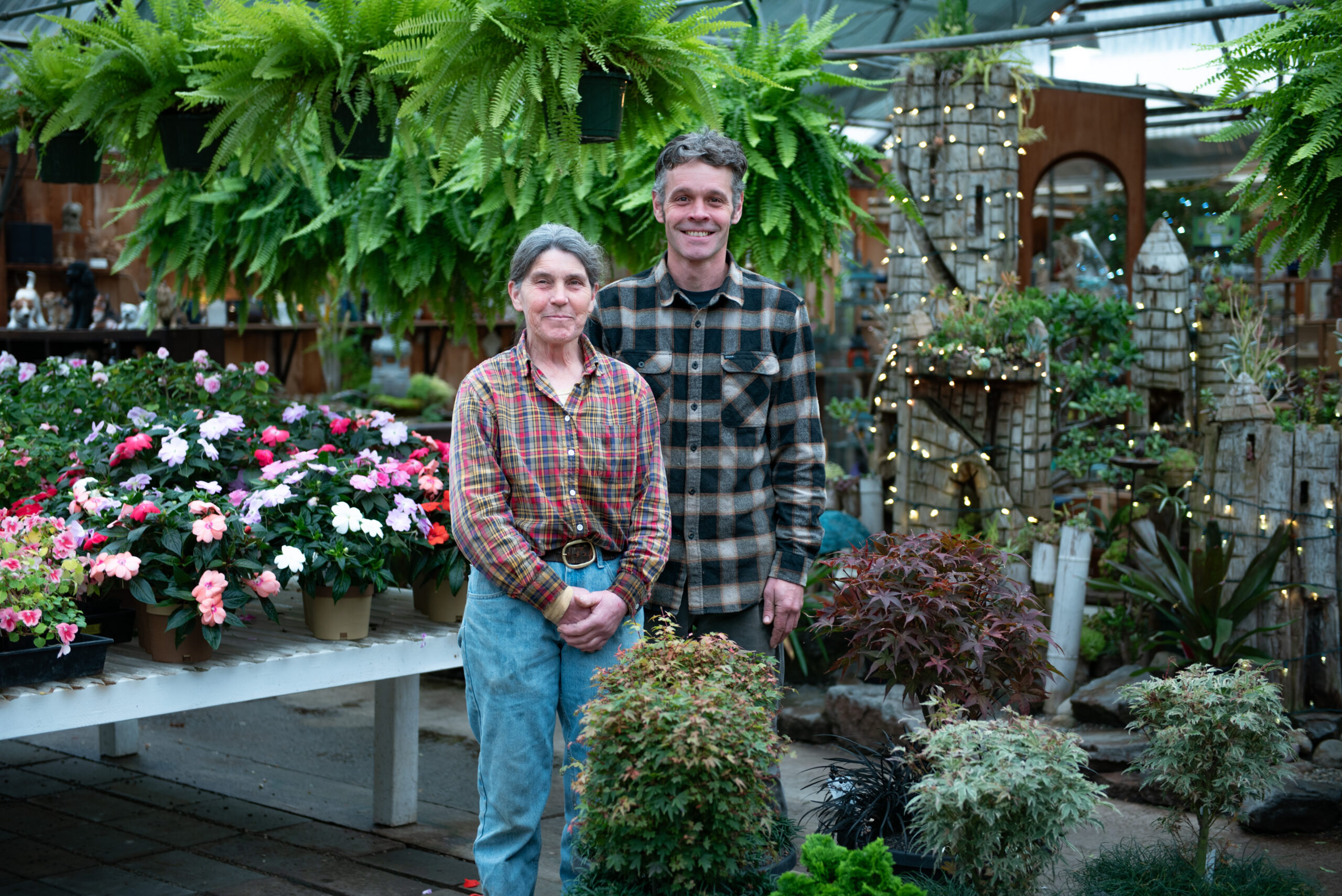
Today, under longtime owner Marilyn Davis and manager Sam Maupin, Brothers Greenhouses continues to grow—literally and figuratively—while staying rooted in its original mission: offering high-quality plants and genuine, informed service to local gardeners.
“It’s a nice place to be,” Maupin said. “And we try to keep it a nice place to be.”
From Wholesale Roots to a Community Garden Center
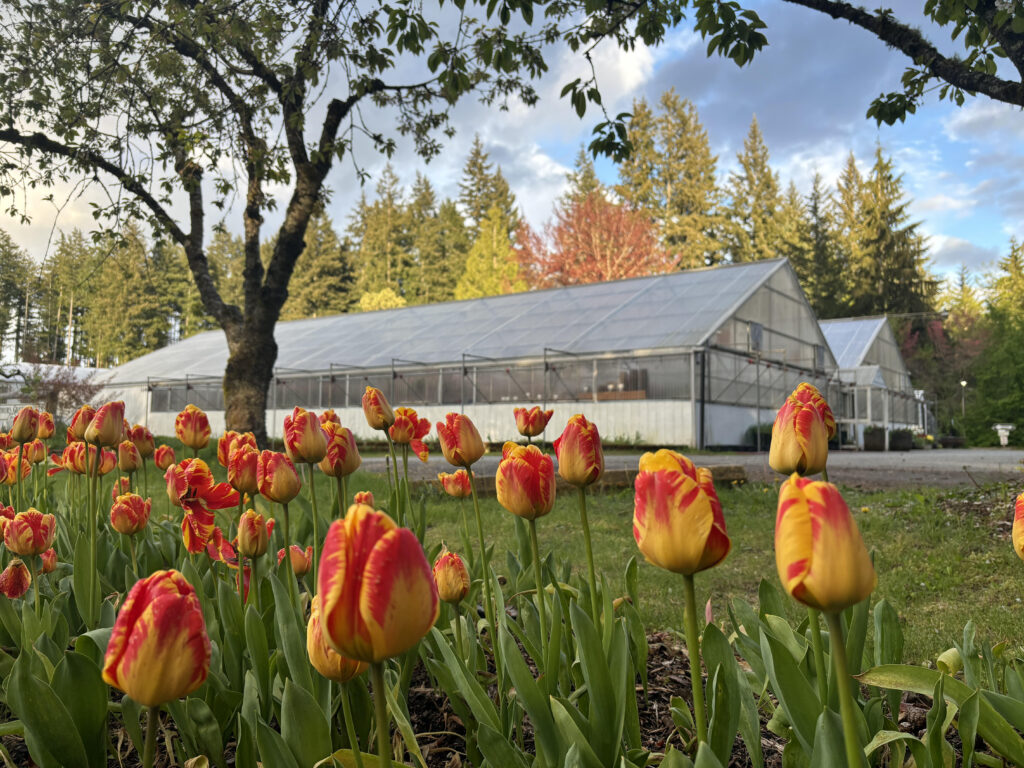
The story of Brothers Greenhouses began in 1969, when founders Lou and Sam Darmiento built the original greenhouse structures—still in use today—on what was then a quiet stretch outside Port Orchard. The name “Brothers” came from two places: the striking double peaks of The Brothers in the Olympic Mountains, and Lou’s three sons.
In those early years, the business was almost entirely wholesale. Poinsettias, Easter lilies, and seasonal bedding plants were shipped to hardware stores and grocery chains throughout the Peninsula. Public shopping was limited to a few weeks each year.
“At that time, it was a very different business model,” Maupin said. “They were selling things wholesale, and they had limited availability to the public. Basically seasonal—when they were open to the public for a few weeks, that was it.”
Two employees, Marilyn Davis and Cheryl Pelkey, worked closely with Darmiento. After he passed away, Sam Darmiento managed the business for a time before selling it to Davis and Pelkey in 1996. A gradual shift followed.
“They started changing to a garden center,” Maupin said. “It was a gradual shift away from a production greenhouse. We became open to the public every day. We kept some wholesale accounts, but as our community grew around us, we needed wholesale less.”
Eventually, Davis purchased Pelkey’s share and became the sole proprietor. Under her leadership, Brothers Greenhouses fully embraced its role as a retail garden center—still growing its own stock, but with an expanded selection designed around the interests of local gardeners.
A Workplace Built on Care
One of the most distinctive features of Brothers Greenhouses isn’t visible from the road: its workplace culture.
“We are unique in that the owner makes breakfast and lunch for the staff every day,” Maupin said.
It’s not a gimmick. It’s a tradition that sets the tone for the entire operation—one built on care, respect, and shared purpose.
“Even though it’s not necessarily a bunch of our extended family working here, it’s pretty tight in the way we treat each other,” he said.
That supportive environment leads to remarkably low turnover, especially in an industry known for seasonal staffing challenges. Many employees have been with the business for decades, building expertise across propagation, irrigation, retail service, and year-round maintenance.
Maupin, who is Davis’s son, has spent much of his life connected to the greenhouse, giving him both a personal and professional understanding of the business’s evolution.
“There’s a lot going on on any given day,” Maupin said. “We do a lot of stuff ourselves, so all the work that gets done is as quirky as we are.”
A Destination for Wonder, Not Just Plants
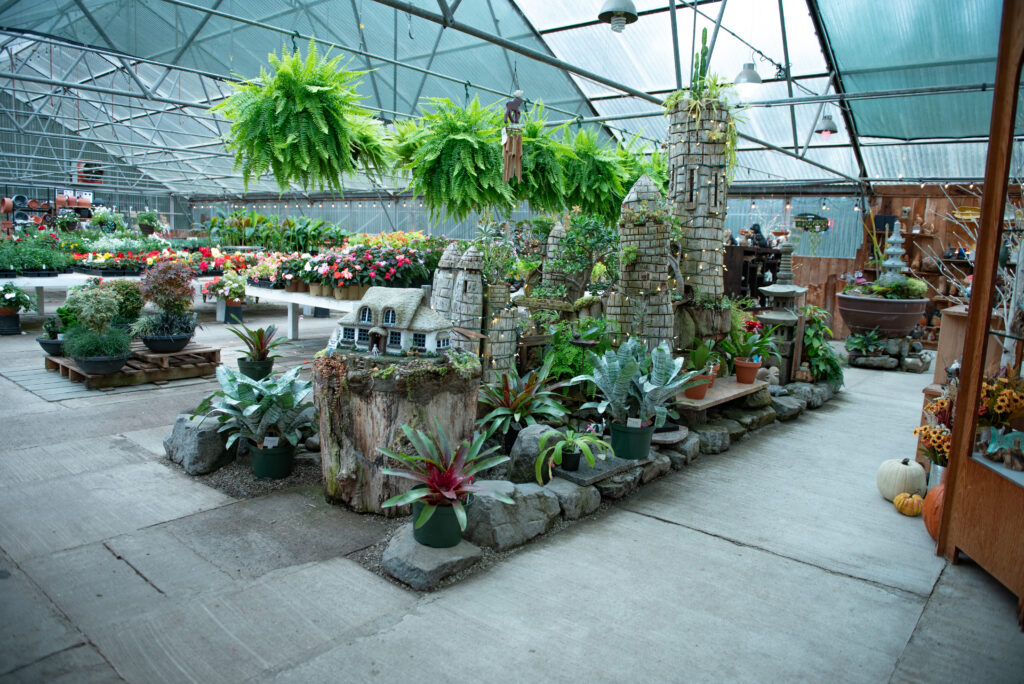
While the nursery’s horticultural expertise keeps gardeners returning year after year, its playful, immersive outdoor spaces draw a much wider audience. Winding paths lead visitors through displays that feel equal parts nursery, nature walk, and enchanted garden.
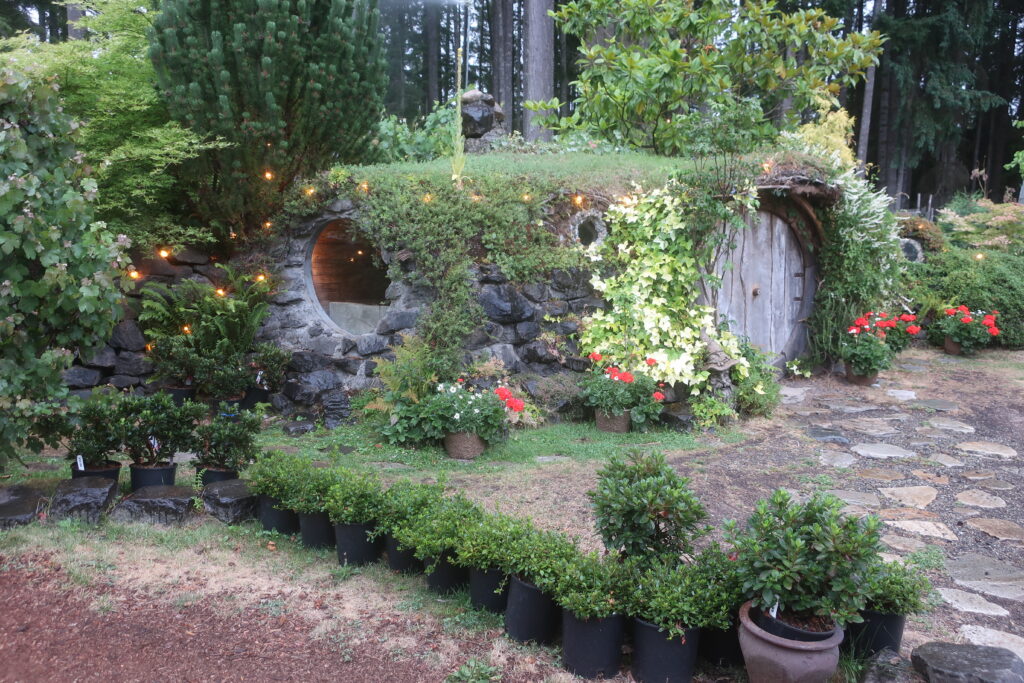
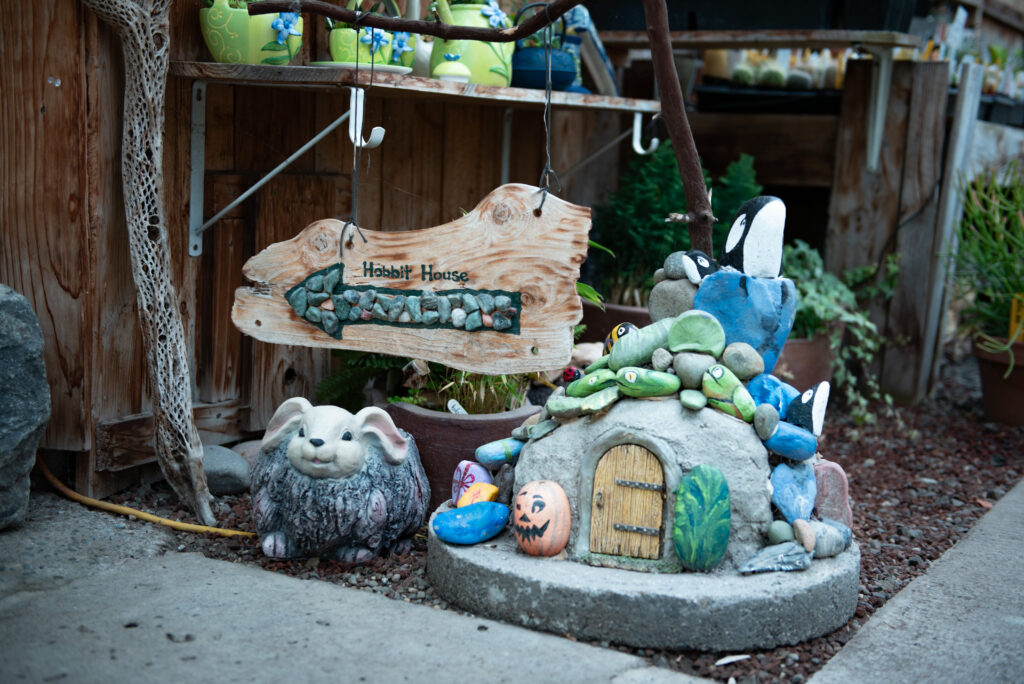
The most beloved attraction is the Hobbit house—a whimsical, plant-topped structure that has become a Kitsap-area photo icon.
“It gets a lot of attention, especially from people looking to take a photograph,” Maupin said. “You can go inside, have a seat, and enjoy some solitude. Sometimes it gets busy on the weekends, but it’s been a great attraction for us.”
What surprises Maupin most is who it draws.
“It brings people to the garden center who would never go to a garden center,” he said. “Most people never go to one—that’s true. Sometimes it takes something you’re interested in, even tangentially, to capture your attention. And we believe there’s a plant for everybody.”
The Hobbit house isn’t the only fantasy-inspired feature. Pelkey first sparked the creation of a themed gift shop that has grown into a series of small galleries with supplies for building fairy gardens, miniature landscapes, and whimsical terrariums.
These are more than retail displays—they’re playful gateways that help guests find joy and imagination in gardening.
Nature Trails, Community Events, and Hands-On Learning
Extending beyond the nursery beds, Brothers Greenhouses has developed a small nature trail that loops through the property and gives visitors a chance to explore a bit of the local ecosystem.
“We’re starting to kind of incorporate some of our production into this space,” Maupin said. “You can see we’ve installed water collection. We’re collecting runoff from our roof and recycling water with flood benches using a collection system.”
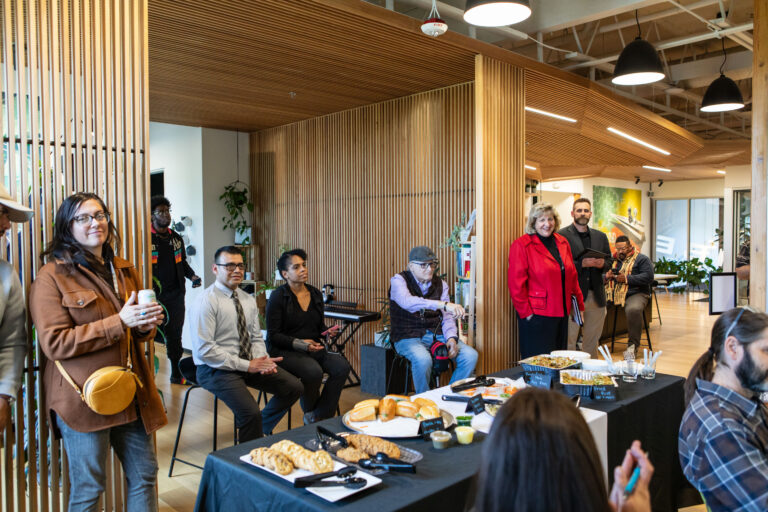
The outdoor spaces also host community events—including one of the nursery’s most popular traditions: the annual tomato trial.
“We grow about 40 different types of tomatoes and make observations on their productivity,” Maupin said. “At the end of the season, we invite the public to come taste them and tell us what they think. It’s been pretty fun, and it helps our literacy in directing customers to the best varieties in the springtime.”
These hands-on community experiences—part tasting event, part garden school—deepen customer relationships while reinforcing the nursery’s role as an educational resource.
Adapting to the Seasons
Horticulture is inseparable from seasonality, and Brothers Greenhouses embraces the constant shifts.
“The weather is everything,” Maupin said. “If the weather’s nice, people want to garden. If it’s raining, they usually don’t.”
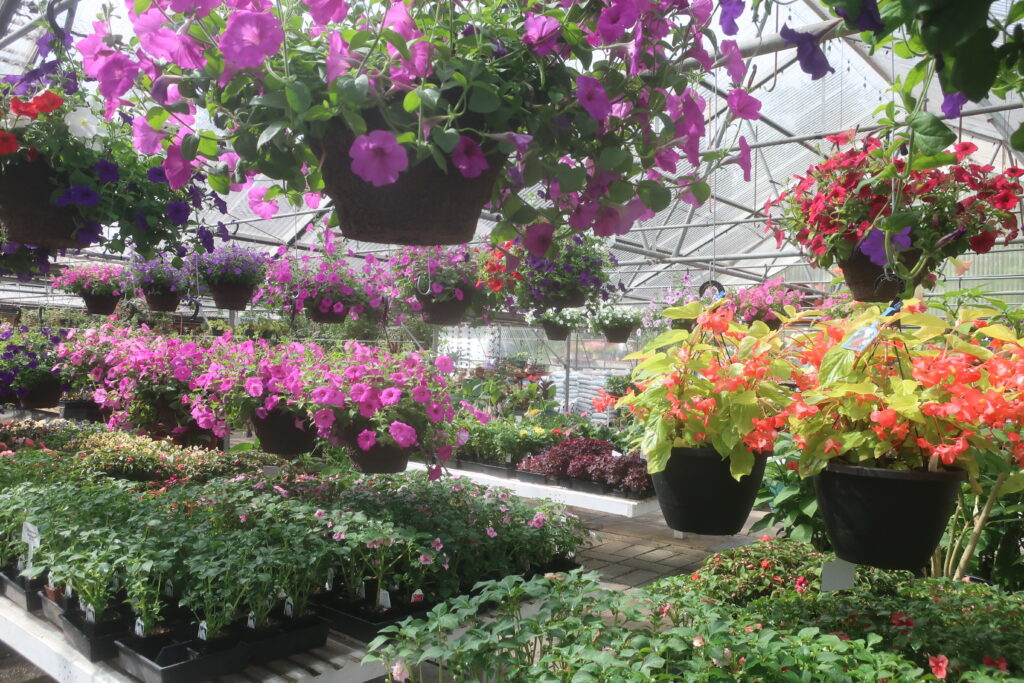
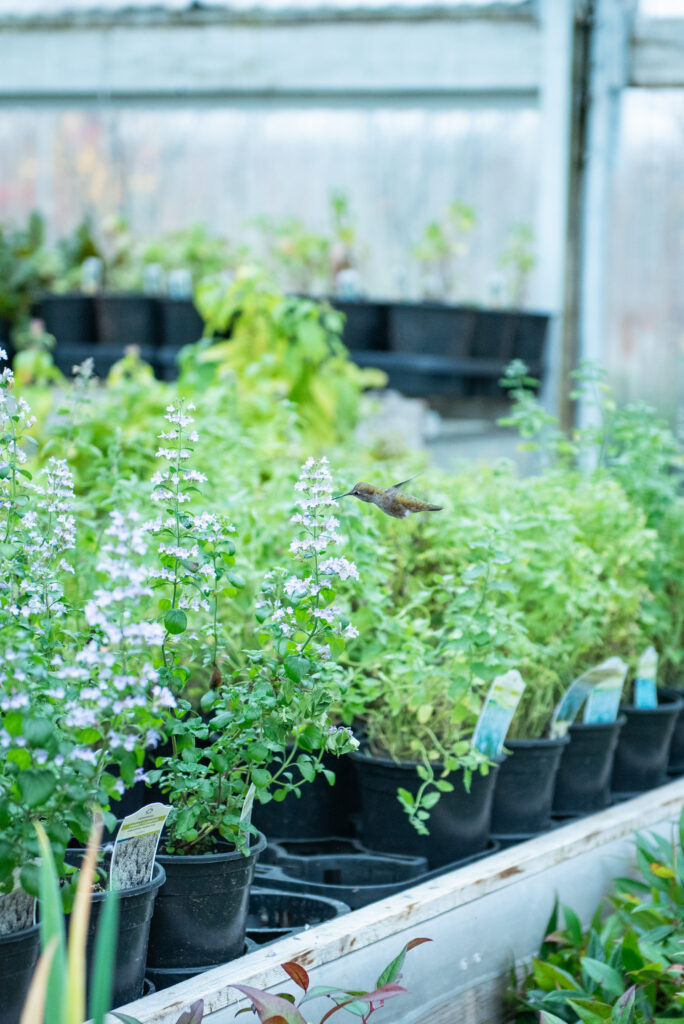
Even in winter, the operation remains busy. The propagation houses—open to the public—showcase seedlings and cuttings long before they’re ready for sale, giving visitors a behind-the-scenes look at the growing process.
Bare-root trees arrive in winter and are potted onsite for spring and fall planting seasons, helping smooth out the business’s cash flow.
“You can sell trees and shrubs all year long,” Maupin said. “Spring is busiest, but fall is a great time to plant them.”
The nursery also maintains a robust selection of native plants—an increasingly in-demand category as local regulations and homeowner priorities shift toward ecological landscaping.
Experts Who Know Local Gardens Inside and Out
One of the reasons Brothers Greenhouses is so trusted in the community is the depth of expertise on staff. Because many employees have stayed for years—and because the nursery grows so much of its own stock—knowledge is both wide and hyperlocal.
“We know what works for people in the community,” Maupin said. “We feel very competent as horticulturalists, and our staff has a low turnover rate, so we have a lot of staff we can trust to work with the community.”
Employees specialize in everything from fruit trees to natives to rare ornamentals. With niche plants—like quince or carnivorous species—staff can guide customers through selection, planting, and long-term care.
“So as far as a specialty, we try to have something for everyone,” Maupin said. “We love to garden. And we want to keep it interesting for all the people who love it too.”
Sustainability in Practice
Sustainability isn’t a marketing slogan at Brothers Greenhouses—it’s woven into daily operations.
One of the biggest efforts is the use of biochar, a stable form of carbon produced by heating organic material in low-oxygen conditions.
“We’ve been purchasing biochar, and that goes into our soil mix,” Maupin said. “Biochar and peat and vermiculite—we mix our own soil. It helps lock carbon in the soil long-term, improves water retention and fertility. It’s an easy step for growers like us to make a real difference.”
The nursery also composts all of its plant waste.
“All of our annuals and compostable stuff gets composted, and we reuse it,” he said. “All our trees and shrubs get planted into compost that was once our annuals and vegetables.”
Water conservation is another priority, reflected in the extensive water-collection and recycling systems now integrated throughout the property.
“As our nursery grows, it becomes more challenging to keep everything watered,” Maupin said. “Having the ability to store water in tanks gives us a little insurance.”
A Reputation Built on Trust
After more than five decades, Brothers Greenhouses isn’t just a plant nursery—it’s part of the fabric of Port Orchard.
“We have a long reputation in this community,” Maupin said. “We know a lot of the community, and we know what works here. What makes us unique is the level of trust we’ve built. That’s our goal—to keep that.”
Longtime customers know they can rely on honest guidance, durable plants, and staff who genuinely enjoy helping people grow things.
Looking Ahead
Future improvements will continue to blend sustainability with visitor experience.
“One of our goals is to build a nicer public restroom,” Maupin said. “We get used as a rest stop by a lot of folks coming off Highway 3.”
Beyond that, the business will keep doing what it does best—growing plants, cultivating curiosity, and serving its community.
“Definitely a small business,” Maupin said. “There’s a lot going on on any given day. We have to do a lot of stuff ourselves. But that’s part of the fun.”
A Place That Continues to Bloom
At Brothers Greenhouses, the story is told not just in words, but in every corner of the property: in the propagation houses humming with new growth, the Hobbit house tucked under greenery, the fairy-themed gift shop, and the nature trail winding through the trees. It’s a business that grows alongside its community—quietly, steadily, joyfully.
“We’re not trying to grow things for other garden centers,” Maupin said. “We grow things for ourselves—to meet the interests of the community.”
Brothers Greenhouses is more than a nursery. It’s a place where plants thrive, employees stay, customers return, and curiosity blooms year after year.