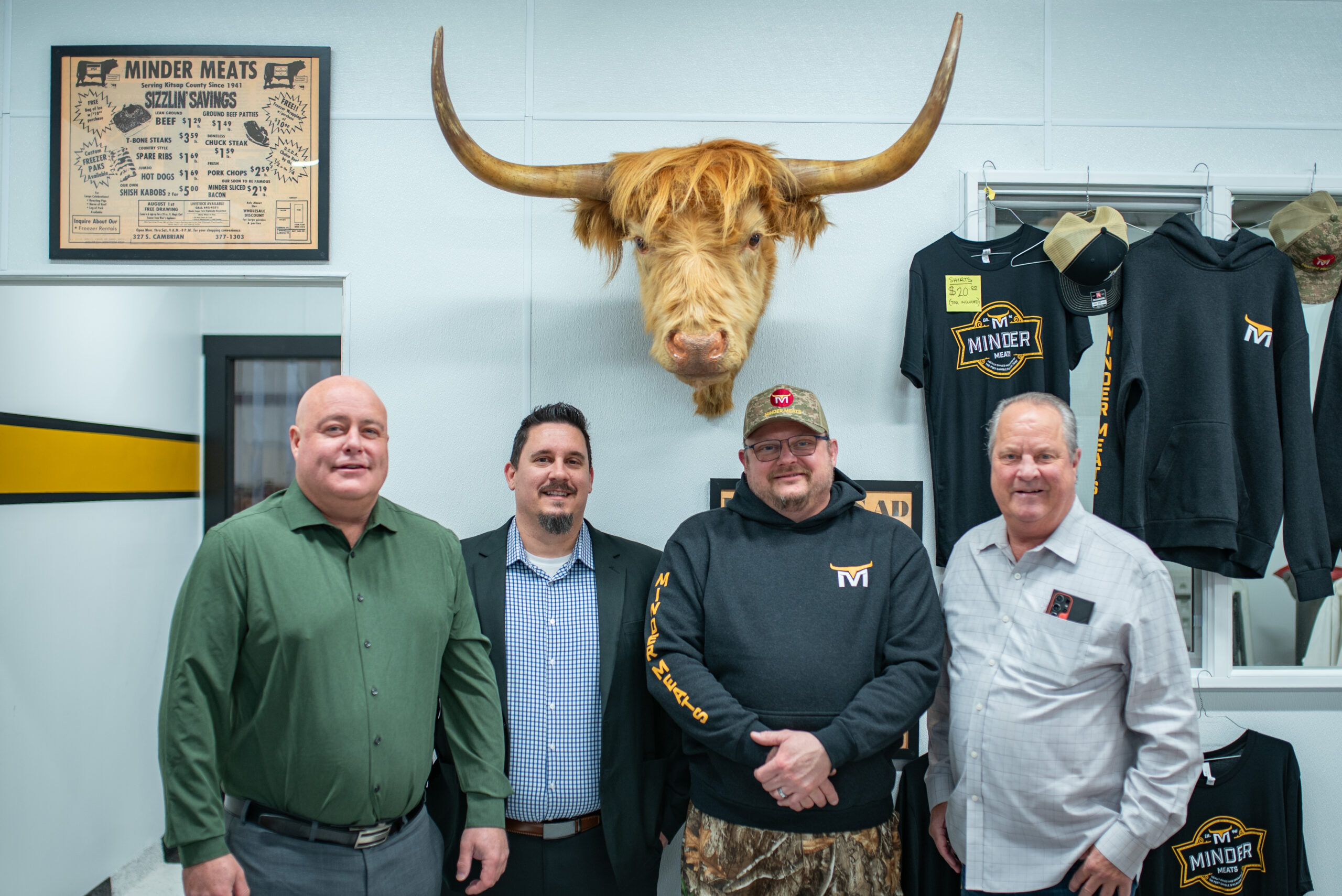
For more than eight decades, Minder Meats has stood as a cornerstone in Kitsap County. Its story, interwoven with themes of family legacy and resilience, recently entered a bold new chapter—one that now aligns its future with the aspirations of the Port Gamble S’Klallam Tribe (PGST). Through the tribe’s enterprise arm, Noo-Kayet Investments (NKI), Minder Meats has transitioned from a strictly family-run operation into a modern, tribally supported company poised to reshape the local food landscape.
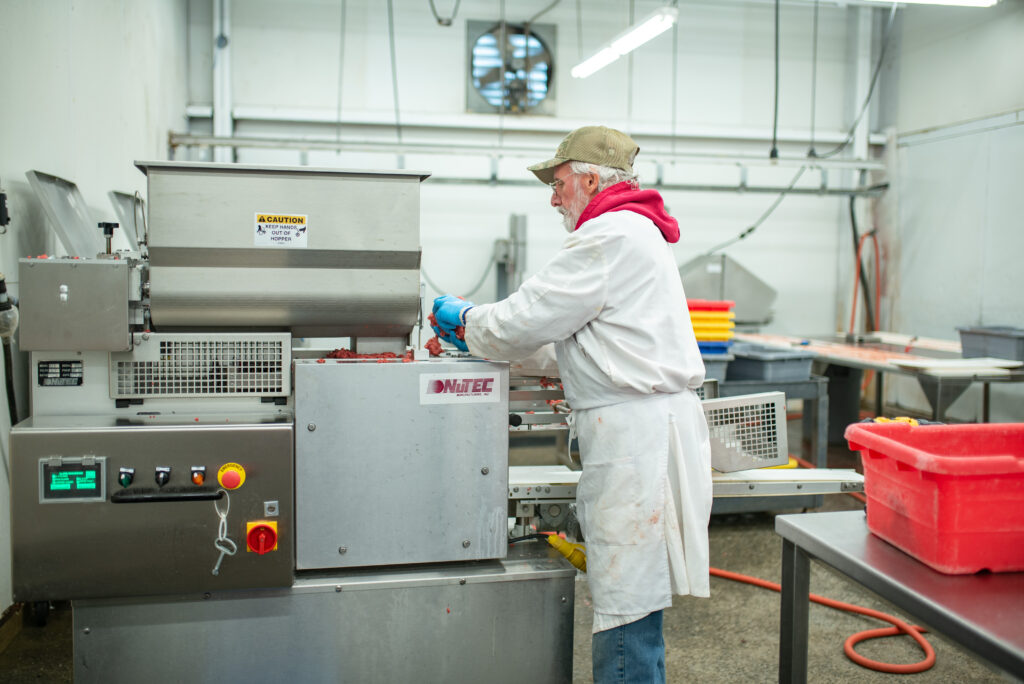
Based in Bremerton, Minder Meats is one of only two USDA-approved meat processing facilities in Western Washington, giving it a unique role in the regional food system. With newly renovated facilities and expanded processing capabilities, the company is now able to handle not only meat but tribal-caught seafood—including halibut, salmon, and crab. This expansion provides PGST fishermen with a stable, reliable outlet for their harvests, ensuring fair pricing and consistent demand, while giving local consumers access to some of the freshest regional seafood available—a rare offering in a market often dominated by imported products.
The acquisition by NKI brings more than infrastructure improvements. It provides Minder with the financial and operational resources to grow retail and wholesale operations, modernize equipment, and strengthen employee benefits. For longtime staff, this transition preserves jobs and adds opportunities previously out of reach for a small family business, all while maintaining the company’s decades-long commitment to quality, local sourcing, and community.
A Family Legacy of Hard Work
Minder’s story begins in the late 1800s with the Minder family, who migrated west and eventually settled in Bozeman, Montana. After WWII, family members moved to Bremerton to meet the U.S. Navy’s need for regional meat suppliers. From those early days, Minder’s reputation was built on partnership, practical ingenuity, and an unwavering work ethic. The company grew steadily, earning contracts with institutions like Safeway and establishing itself as a reliable local distributor.
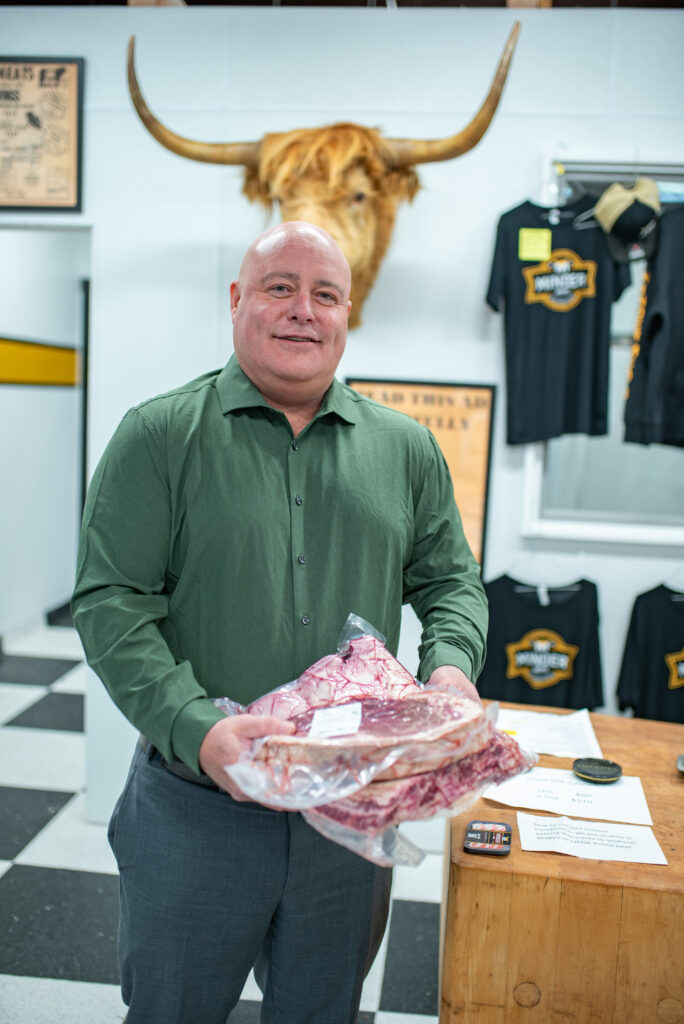
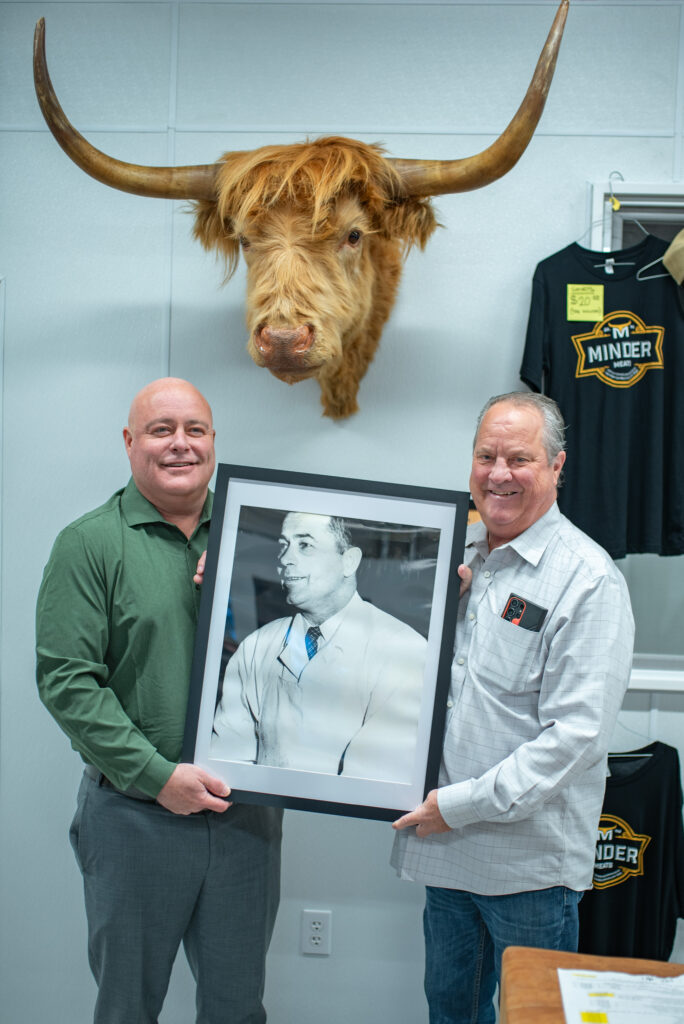
Jim Minder Carlson—grandson of the original founders—took leadership after working his way through every role in the company. Under his guidance, Minder weathered dramatic shifts in the industry: everything from USDA regulatory changes to the dominance of national supermarket chains. When the COVID-19 pandemic shut down restaurants overnight, Minder pivoted quickly to consumer retail, keeping staff employed and product moving.
But like many multigenerational businesses, Minder faced a crossroads. There was no family successor ready to take the helm.
“My kid was the only heir, and he wasn’t interested in this,” Carlson said. Selling the business—honorably and in a way that protected employees—became uncertain.
A Well-Timed Partnership
At the same time, Noo-Kayet Investments was looking for the right opportunities to expand its portfolio and support long-term tribal employment and economic sovereignty. The alignment of goals was immediate and natural. Minder offered a respected regional brand, a critical processing capability, and a chance to strengthen the local food system. NKI offered capital, business infrastructure, and the stability of a tribally owned enterprise.
“The goal of NKI is to diversify the Tribe’s economy and to provide employment and growth for tribal members,” said NKI Interim CEO Eric Croft. “Minder was an ideal fit.”
Investment With Immediate Impact
With NKI’s backing, Minder gained something that had been out of reach: the ability to modernize at scale. As a small business, even necessary upgrades—like new equipment—often had to wait. Under NKI, those investments became possible immediately.
Among the first enhancements:
- New freezer and refrigeration systems
• Upgraded processing equipment
• Investment in marketing and brand development
• Most significantly, renovation to support large-scale seafood processing
“We do have resources through our other businesses and through the Tribe to really come in and modernize,” Croft said.
The new seafood capacity will be especially meaningful. It positions Minder to serve not only its long-standing restaurant and retail partners but also PGST fishermen—who will now have a high-quality local processor capable of handling halibut, crab, salmon, and more.
A Smooth and Secure Employee Transition
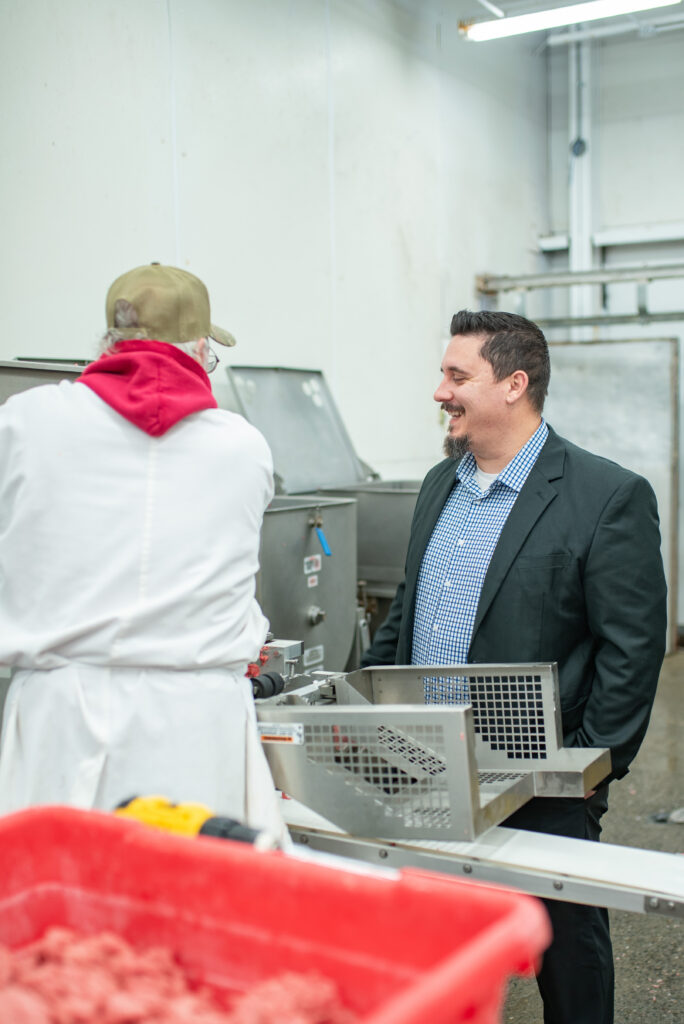
The effect on employees has been immediate and positive. Acquisitions often bring restructuring and job loss, but Minder’s transition was approached with intention. All employees were retained, and many received expanded benefits that small companies typically struggle to afford—including comprehensive medical, dental, and retirement plans.
“These guys are going to make me look really bad,” Carlson joked. “Now you get 401(k)s, you get your teeth fixed—all the things a small company can’t afford to do.”
For Carlson, knowing that longtime team members—including those who have been with the business for decades—are secure has been among the most meaningful outcomes of the acquisition.
One of those employees, office manager Teena Page, joined Minder at 18. Today, she remains a central part of the operation, energized by the company’s new direction and future potential.
Strengthening Local Food Systems
With expanded capacity, Minder is becoming an increasingly important connector in the regional food supply. For tribal fishermen in particular, the new processing facility offers something the market has long lacked: a stable, predictable outlet with fair pricing. For years, many sold directly off the docks, where prices fluctuated and options were limited. Now, fishermen can bring product to Minder, where it enters established markets with transparent, reliable pricing.
That benefit extends beyond PGST fishermen. With local sourcing, strong regional customers, and an independent distribution network, Minder keeps more food dollars circulating in Kitsap County rather than leaving the region.
Expanding Partnerships and Visibility
Under NKI, Minder is doubling down on local sourcing, maintaining its longstanding partnerships in Washington and Oregon while seeking new relationships with small farms and ranches across the Kitsap Peninsula. The company also plans to support young agricultural talent through programs like 4H and FFA— nurturing the next generation of producers.
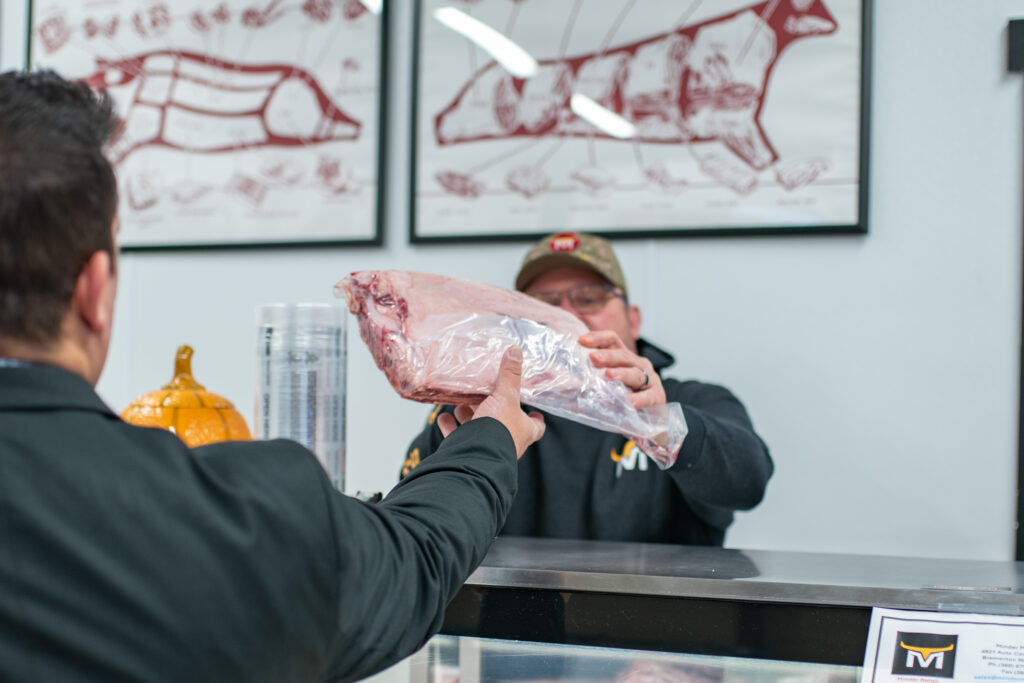
These local supply lines serve more than 80 restaurants and commercial kitchens in the region. With expanded capacity, Minder is able to meet rising consumer demand for transparency, traceability, and product origin.
Kyle Blatchley, the Director of Culinary Operations at NKI also oversees operations for Minder Meats and the Point Casino Hotel Food and Beverage Operation.
“The mission is to maintain the legacy of providing a high-quality, fresh product as local as possible,” Blatchley said. “If we have to go as far as Oregon, we go as far as Oregon, but we’re trying to avoid what general America is doing by importing from overseas and keep it homegrown.”
“What matters to consumers is where did it come from, how was it raised, is it fresh?” he said.
Minder’s visibility and direct sourcing give chefs and diners the information they increasingly expect.
Looking Ahead
With the resources of a tribally owned enterprise behind it, Minder Meats is poised for growth on multiple fronts. Over the coming years, the company expects to:
- Increase seafood processing volume
• Grow retail and wholesale channels
• Expand into institutional and government markets
• Develop new products and prepared items for restaurants and consumers
• Continue upgrading facilities to match industry demands
Even as it evolves, Minder retains the qualities that made it a respected name: a commitment to local sourcing, quality product, and the people who make the business run.
For Carlson, the transition marks a fitting continuation of his family’s history. For NKI and the Port Gamble S’Klallam Tribe, the purchase represents not just smart business—but an investment in regional resilience, sovereignty, and community well-being.
As Minder Meats moves forward, it stands as a strong example of how partnership, thoughtful transition, and investment can preserve heritage while opening the door to a stronger, more sustainable future for businesses and communities across Kitsap County.