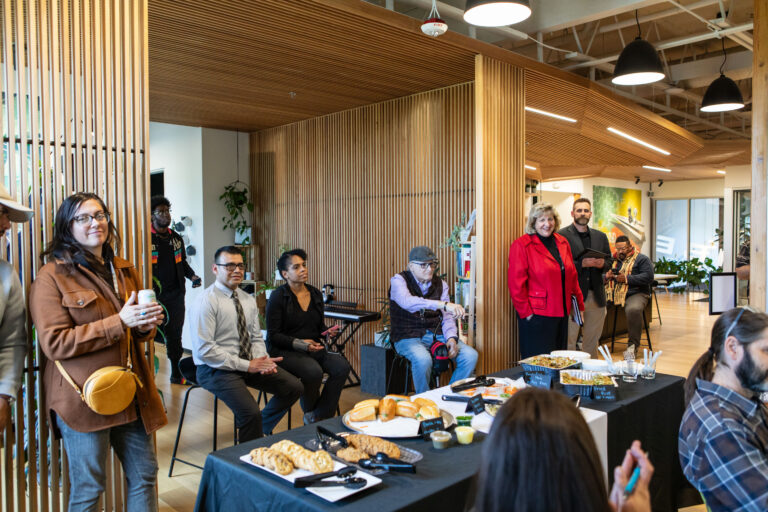

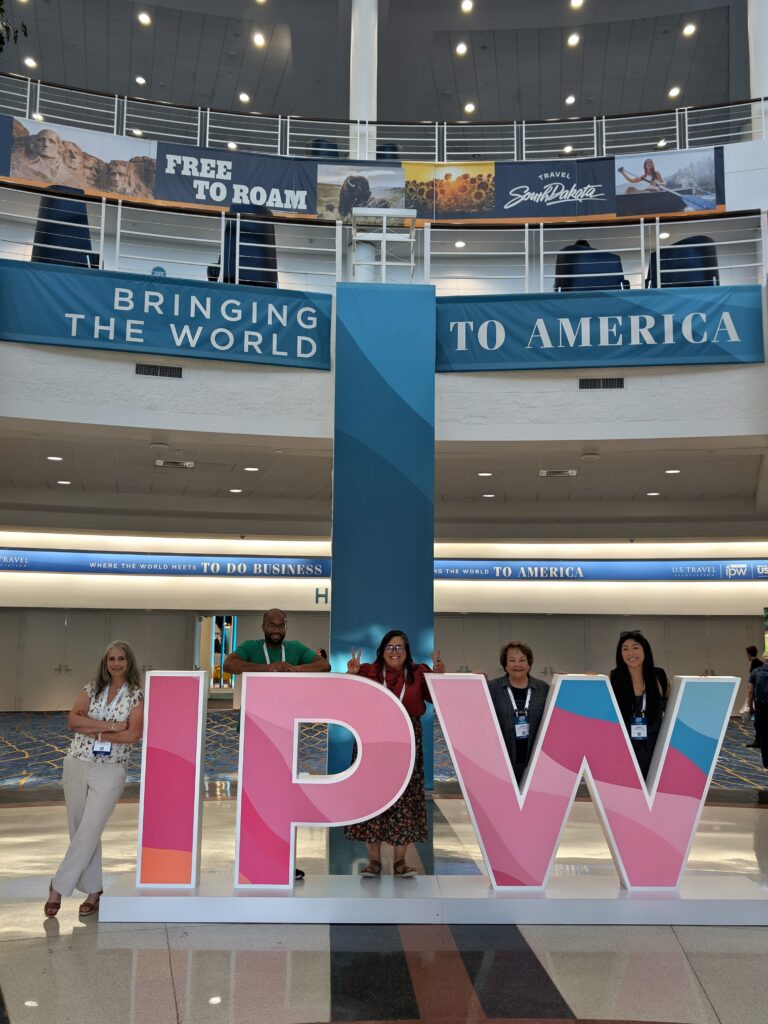
I went to IPW 2026 in Fort Lauderdale knowing that this was an opportunity to share about the Kitsap Peninsula and listen to international tour operators, travel advisors, wholesalers, and destination partners from around the world. Not just for where people want to go, but for what they want to feel when they get there.
Travelers are still looking for beauty, of course. They want mountains, water, forests, good food, cultural experiences, memorable places to stay, and stories they can bring home with them. But what I heard over and over again is that they are also seeking ease, connection, authenticity, and a sense that the place they are visiting has a soul. For the Kitsap Peninsula and greater West Sound region, that is both our opportunity and our homework.
Travel buyers from the United Kingdom, Germany, France, the Netherlands, South Korea, China, Australia, Japan, India, Colombia, Ireland, and beyond were not simply asking, “What is there to see?” They were asking: Can this fit into a Seattle itinerary? Is it easy to get there? Are hotels ready to work with international operators? Are there bookable experiences? Can travelers understand the route without feeling overwhelmed?
Kitsap’s strongest positioning is not as a place competing with Seattle, Olympic National Park, or Mount Rainier. We are not trying to be the loudest destination in the room. We are the ferry ride. The forest trail after a long flight. The quiet awe of Bloedel Reserve. The contemporary art and craft of Bainbridge Island Museum of Art. The deep cultural learning of the Suquamish Museum. The glow of bioluminescent kayaking in Port Gamble. The stories inside the Kitsap History Museum. The downtown Poulsbo historical walking tour. The bonsai, sculpture, and gardens of Elandan. The waterfront meal. The local shop. The unexpected overnight stay that turns a Washington trip into something more meaningful.
And in 2026, we also have a practical advantage: connectivity. With Seattle hosting FIFA World Cup matches and Bremerton serving as one of Washington’s designated fan zones, Kitsap Transit’s SEA 26 planning helps make the region more understandable for visitors navigating ferries, buses, hotels, and game-day experiences.
Natural beauty isn’t enough to attract international visitors. If we want the international visitor economy to benefit the West Sound region, we have to make Kitsap easier to understand, easier to book, and easier to sell. That means clear itineraries, hotel contacts, group terms, strong visuals, transportation details, and experiences visitors can reserve in advance.
A business does not have to be “tourism-only” to benefit from tourism. A restaurant is not just a restaurant. It may be the reason someone lingers another night. A shop is not just a shop. It may be the story someone packs in their suitcase. An event is not just an event. It may be the invitation that brings a family, a group, or a returning visitor back to our community.
What Local Businesses Can Do Now
The conversations at IPW also made the opportunity feel very practical. Some wholesalers were looking for restaurants that can serve groups of 50. Others wanted high-end outdoor or sports-related experiences for affluent travelers. Some were seeking boutique lodging that feels local, distinctive, and ready to work with receptive operators or wholesalers. In other words, international tourism is not just about whether a destination is beautiful. It is also about whether the experience is ready.
For local businesses, a few simple steps can make a difference:
- Know your group capacity. Can your restaurant, venue, tour, or attraction handle 10, 25, or 50 people at once?
- Make your offering easy to explain. Have a short description, strong photos, seasonal details, pricing, and contact information ready.
- Think beyond summer. International and group travel can help fill fall, winter, and early spring need periods.
- Consider bookable experiences. Tours, tastings, private shopping, guided walks, cultural experiences, garden visits, paddling, and sports-related activities are all easier to sell when they are packaged.
- Prepare for trade relationships. Hotels and attractions should know whether they can offer group rates, commissions, net rates, or flexible booking terms.
- Tell the story of place. International visitors are often looking for what makes a destination different. In Kitsap, that includes our ferries, waterfront towns, Indigenous culture, gardens, maritime history, art, food, and access to outdoor adventure.
The biggest takeaway from IPW is that Kitsap is ready to be discovered, but we also have work to do. International tourism is a long game. Conversations started today can turn into bookings two to three years down the road.
The world is looking for places that feel human, rooted, and connected. That’s definitely Kitsap. Now we have to build the pathways that help travelers find us, understand us, book us, and feel welcome when they arrive.