A Local Entrepreneur Tackles Burnout and Retention
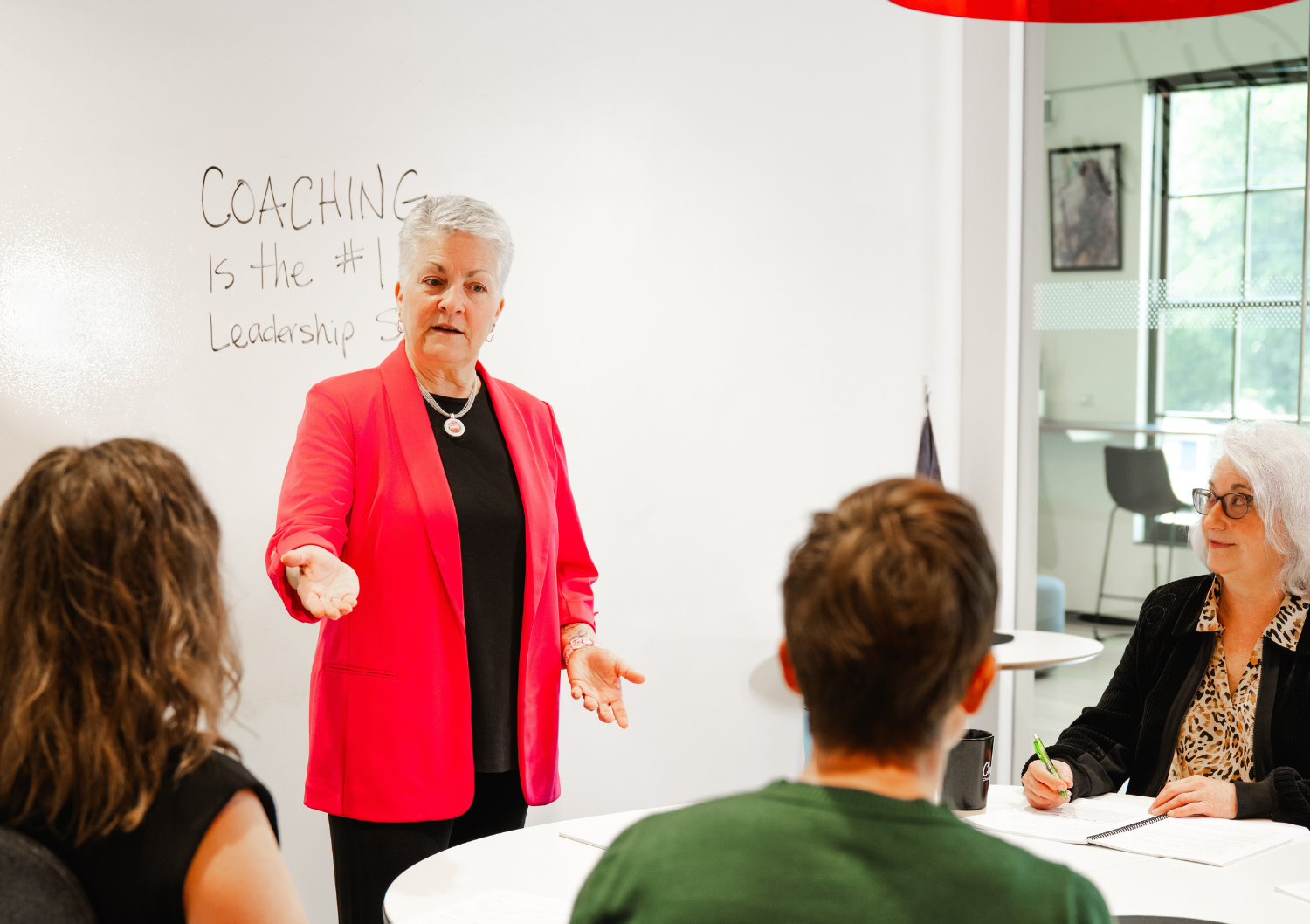
Employers across industries are wrestling with the same set of problems: burned‑out leaders, thin staffing, morale dips and employees who don’t stay. In this climate, a growing number of organizations are turning to a different kind of intervention—not another perk or productivity app, but a fundamental shift in how people relate to each other at work.
In Kitsap County, Wake Up! Enterprises, led by local entrepreneur Laurie Cameron, is positioning itself squarely in that space. Her business focuses on helping mission‑driven organizations build what she calls “coaching cultures”—workplaces where listening, respect and co‑creative problem‑solving are treated as core operational tools, not soft add‑ons.
“Every leader wants a highly productive team,” Cameron said. “My belief is that a highly productive team is actually a natural byproduct of a highly relating team.”
In other words, she argues, the path to better results runs straight through better relationships.
The Business Problem: Passion Without a System
The organizations that seek out Wake Up! Enterprises are often those with a strong stated purpose: nonprofits, certified B Corps, and companies centered on serving their communities or the environment.
Cameron said that very passion can create blind spots.
“I have a heart for supporting organizations that support others through a mission,” she said. “But a lot of them are under the illusion that attracting people who share that mission is enough—and it’s not.”
She has a name for it: the “Mission Illusion.”
“Leaders assume passion will carry people through poor communication or chronic overload, and it really won’t,” she said. “People who care deeply about the mission might have very different ideas about how to accomplish it. Unless they have the skills to be present with each other, to listen so everybody feels heard, and to communicate in a way that is co‑creative instead of conflict‑oriented, there’s still going to be conflict—and it’s going to get in the way of the mission.”
In an era when many sectors are still trying to “do more with less,” that gap between passion and practical communication can quickly become a burnout machine.
Retention, Burnout and the Limits of Perks
The strain shows up most clearly in leadership roles, Cameron said.
“When there’s a constant sense of being behind—always more work than time, more work than people—that creates a lot of stress,” she said. “Leaders feel like they’re always running to catch up, and it’s exhausting.”
Under that pressure, managers tend to fall back on command‑and‑control habits—telling people what to do because it feels faster.
“It is faster in the short term,” she said. “But in the long term, it spreads the exhaustion and transforms the culture into a burnout culture.”
At the same time, many employers are trying to solve retention issues with surface‑level incentives—snacks, social events, the latest trendy perk.
“They try to motivate with pressure or perks or things like that,” she said. “Instead of helping a team member tap into their own intrinsic motivation.”
What employees actually want, she said, is more basic and more demanding.
“One of the main motivating factors for an employee to stay at a company is that they feel seen and valued,” she said. “They want to feel connected. Coaching as a communication skill spans all the generations and speaks directly to that.”
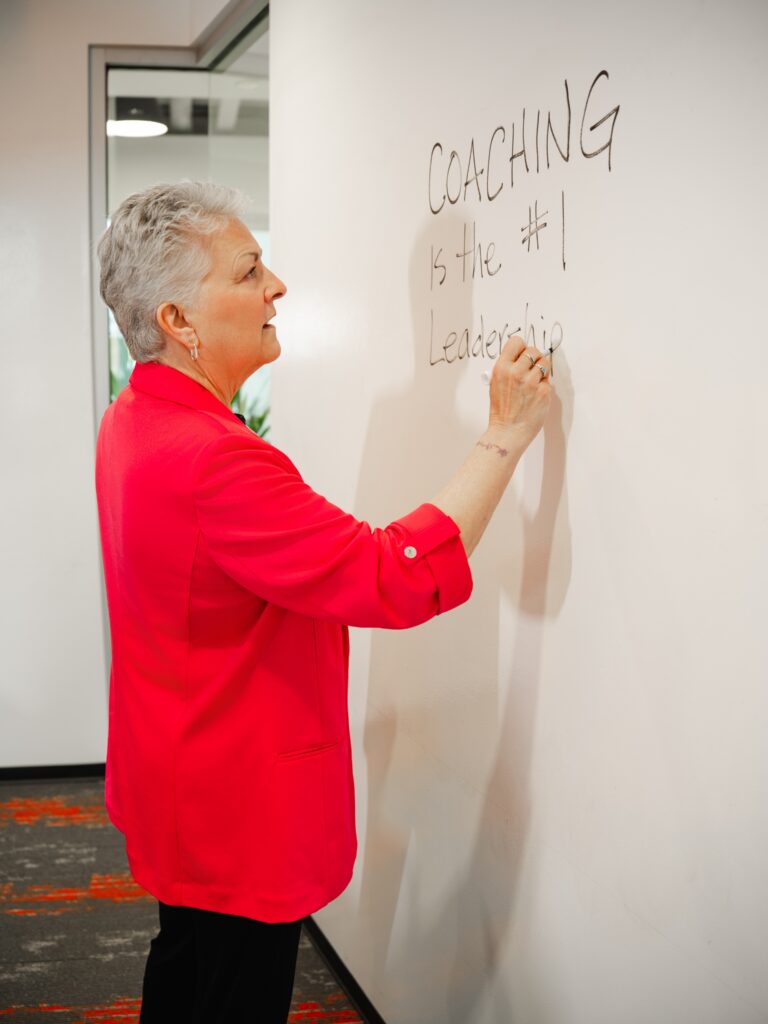
What a “Coaching Culture” Looks Like
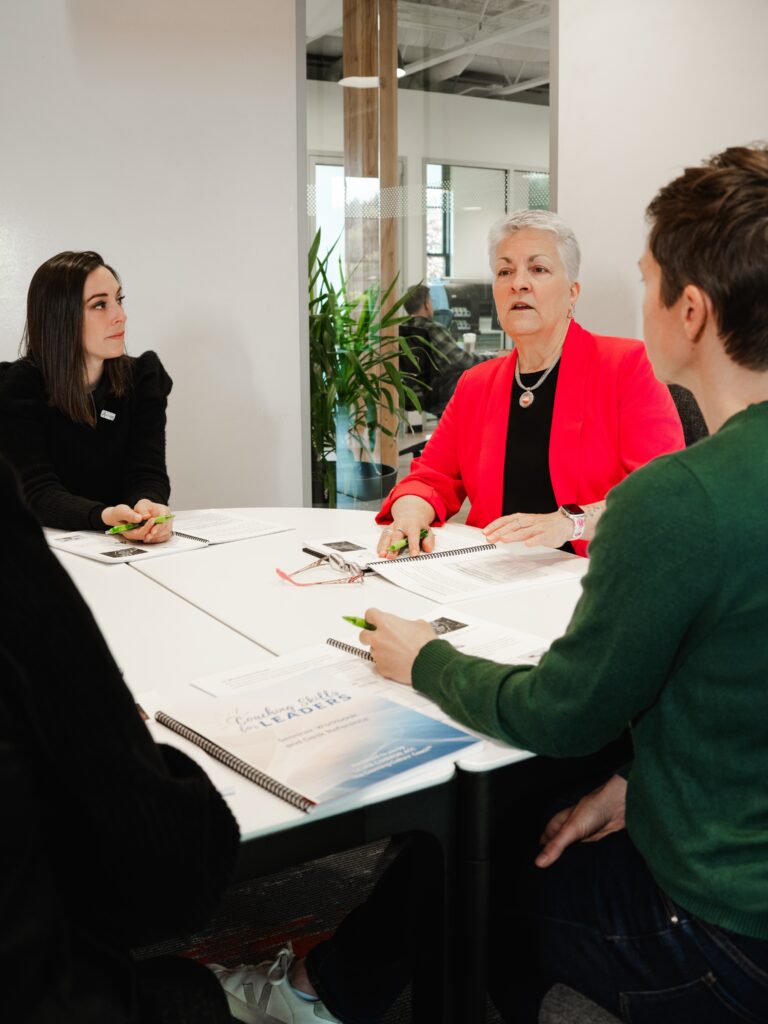
Cameron defines culture simply as “the values, beliefs and behaviors of a group of people who come together to do something collectively.” A coaching culture, she said, is one where those values and behaviors are infused with core coaching principles:
- Listening so others feel heard
- Mutual respect and compassion
- A co‑creative intent—working toward a common goal instead of defaulting to conflict
“In an organization—or even just a small team or a board—when people can express and embody those skills, that’s what I call a coaching culture,” she said. “And that’s what makes it so powerful.”
Crucially, she argues, this kind of culture starts from the inside out.
“I really believe that well over half of powerful, healthy, respectful communication starts with who we’re being on the inside before we even open our mouth,” she said. “It’s paying attention, having that awareness of what’s going on inside and how that impacts what comes out of our mouth.”
That inner work supports something more and more organizations are talking about: psychological safety.
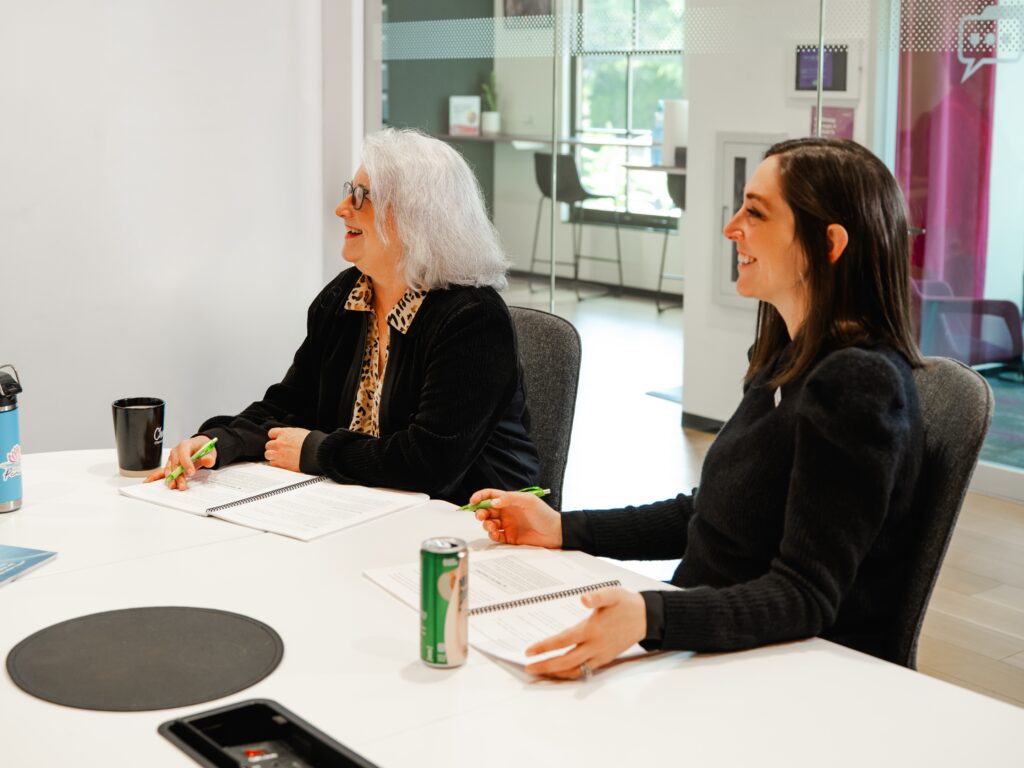
“We obviously want to be physically safe, but we also want to be psychologically and emotionally safe at work,” she said. “We want to know that what we say, even if somebody disagrees, they’re at least going to listen. Leaders who learn coaching skills can build that psychological safety for themselves and everybody on their team.”
From Managing Work to Developing People
What Wake Up! Enterprises offers is less a single program and more a different model of leadership. Cameron calls it coaching‑based leadership.
“It’s a shift away from managing work and toward developing people,” she said.
Traditional management, she said, treats people primarily as resources to drive output:
“The traditional manager style focuses on control, direction, output, profits,” she said. “A human being becomes a resource to get those things achieved, instead of a person with a life, fears, triggers, habits and strengths.”
By contrast, coaching‑based leadership asks managers to:
- Learn when to coach and when to manage, train or mentor
- Build trust so team members can make decisions without constant sign‑off
- Use coaching skills—listening, questioning, reflecting—in everyday interactions, not just formal sessions
Most of the impact, she said, comes from those day‑to‑day touchpoints.
“Most of the time it’s not sitting down for a formal coaching session,” she said. “It’s how you handle a project update, a quick check‑in, a hallway conversation.”
When it’s working, she said, the business results follow.
“When leaders know how to say, ‘Thank you for the way you handled that customer—that made a huge impact,’ employees feel appreciated,” she said. “People are more engaged. They’re happier. Happy people like to work together, and when they work together, the work gets done. Profits go up, absenteeism goes down, voluntary turnover goes down, retention goes up.”
New Leaders, Old Systems
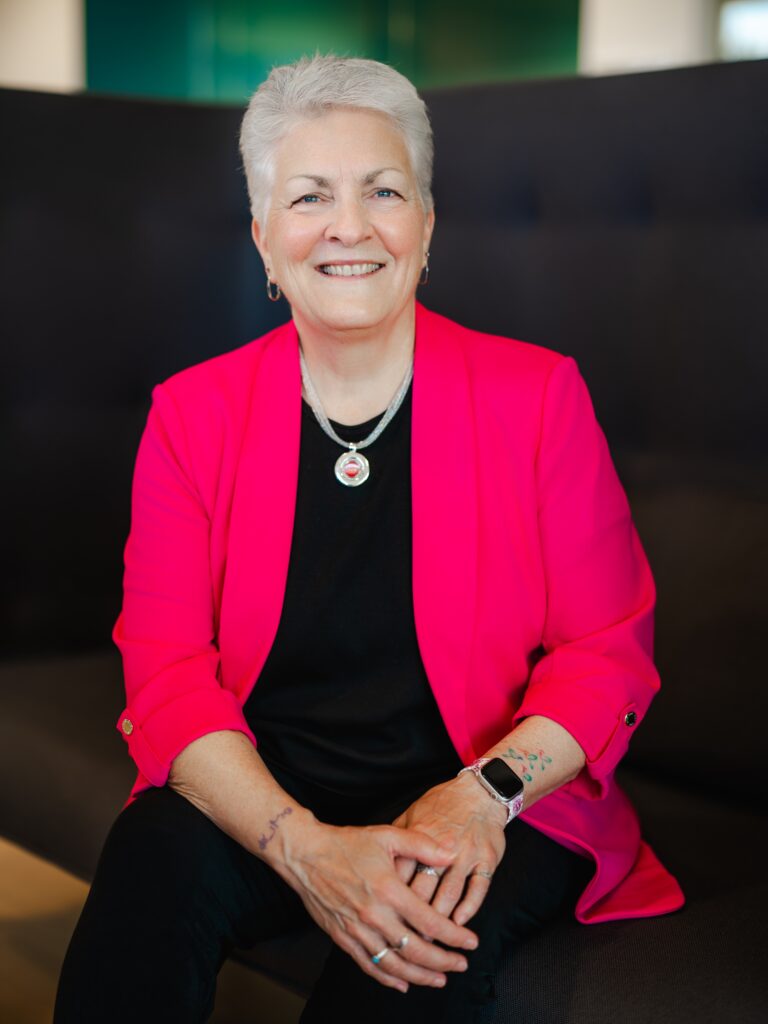
One of the most vulnerable points for any organization, Cameron said, is when a new leader steps into a role—whether promoted from within or hired from outside.
“Most new leaders don’t fail because they’re not good leaders,” she said. “They fail because the onboarding system is broken.”
New managers usually get a crash course in policies and procedures, but little help understanding their people.
“They learn payroll and what they have to track,” she said. “But they don’t really learn about their team.”
Cameron believes embedding coaching skills into the first 90 to 120 days can shorten the ramp‑up period and prevent early burnout.
“If they start building psychological safety from day one, the path to full productivity is a lot faster than when somebody comes in trying to take over and hits resistance,” she said.
Burnout and the Shift to Organizational Responsibility
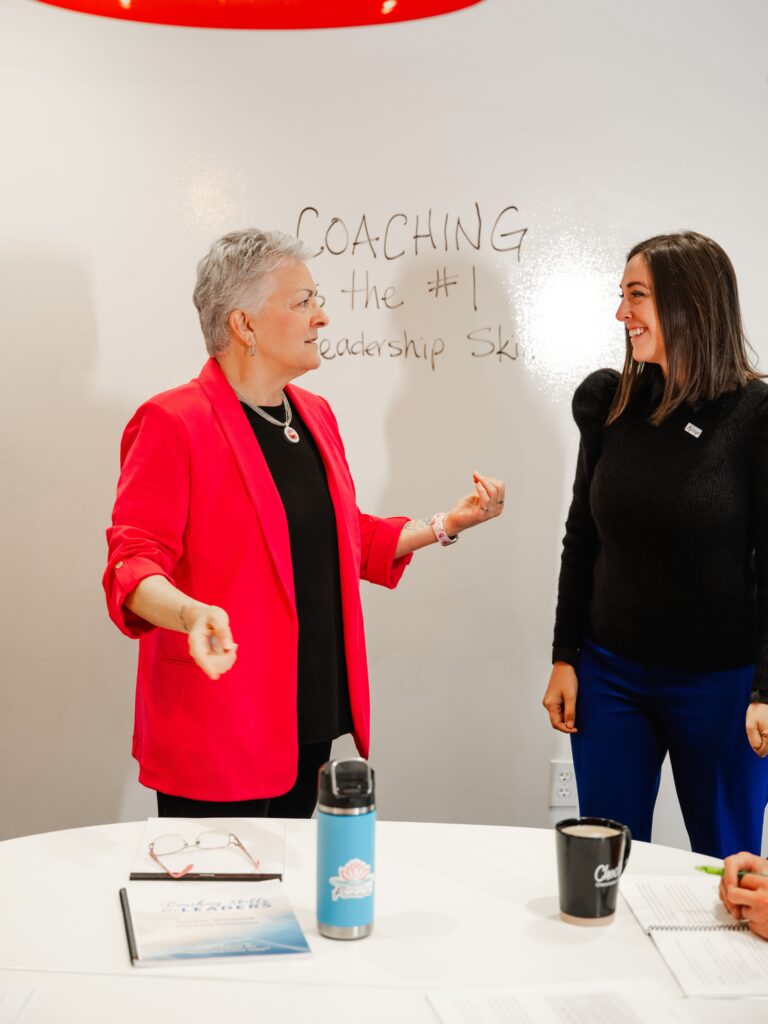
Cameron has watched the conversation around burnout evolve from an individual problem to an organizational one.
“There’s obviously a greater awareness that burnout is a really big issue,” she said. “But I think it’s shifted from ‘this person is burned out’ to being more of an organizational responsibility.”
That means asking harder questions.
“Organizations are being called to look at what’s creating the burnout,” she said. “Is it that a leader is taking on too much? Is everyone trying to do more with fewer people and resources? The concept of burnout is expanding, so the skills need to expand with it.”
For her, resilience—both individual and organizational—comes back to how people respond to challenge.
“Resilience is the ability to face something that’s really going wrong and be able to figure it out and move forward,” she said.
A Local Response to a Global Workplace Shift
Although Cameron works with people online “anywhere that’s ready to do the work,” she said she’s particularly interested in supporting organizations close to home—in Kitsap County.
The issues her clients face—retention, burnout, leadership fatigue—mirror a broader shift happening in workplaces across the country. Companies are increasingly realizing that productivity problems are often people problems first, and that sustainable growth depends as much on communication and trust as it does on strategy and output.
Wake Up! Enterprises approaches that challenge from a local, human-centered perspective: teach leaders and teams to communicate differently, create psychological safety and help employees feel seen and valued.
For Cameron, that work is not about creating a softer workplace. It’s about building stronger, more resilient organizations capable of navigating constant pressure and change without losing their people in the process.
“You don’t build a business,” she said, quoting Zig Ziglar. “You build the people, and the people build the business.”
At a time when many employers are searching for ways to retain workers and rebuild morale, Cameron believes the answer may be less about offering more perks and more about creating workplaces where people genuinely want to stay.
Keep in touch with our news & offers
Subscribe to Our Newsletter
Thank you for subscribing to the newsletter.
Oops. Something went wrong. Please try again later.